Knowing how to prevent cavities is one of the most valuable things you can do for your long-term dental health, and it’s simpler than you might think. Dental cavities are one of the most common health conditions in the UK, and recent surveys in England found that almost a fifth of adults with natural teeth had obvious cavitated decay.
But common doesn’t mean inevitable. With the right daily habits, a little knowledge about what’s actually happening in your mouth, and the support of a good dental team, most cavities are entirely preventable.
This guide covers everything you need to know about how to prevent cavities – from brushing technique and fluoride to diet, children’s teeth, and what to do if decay has already started.
The Best 8 Ways to Prevent Cavities
Put simply, you can prevent cavities by following these eight steps:
- Brush twice a day with fluoride toothpaste
- Floss daily to remove plaque between teeth
- Cut back on sugary and acidic food and drink
- Drink plenty of water throughout the day
- Use a fluoride mouthwash
- Chew sugar-free gum between meals
- Ask your dentist about fissure sealants
- Attend regular dental check-ups and hygienist appointments
What Causes Cavities? (And Why It’s Not Just About Sugar)
Most people know that sugar causes cavities, but that’s only part of the picture. Cavities result from a specific chain of events involving bacteria, acid, and time. Understanding how that process works puts you in a much stronger position to prevent cavities.
How Plaque And Bacteria Attack Your Teeth
Your mouth is home to hundreds of types of bacteria, most of them harmless. But some bacteria feed on the sugars and starches in the food and drink you consume, producing a sticky film on your teeth called plaque. Left undisturbed, plaque builds up along the gumline and between teeth, and the bacteria within it begin releasing acids that gradually eat away at your tooth enamel. This is the start of tooth decay. The good news is that plaque is easy to disrupt, which is exactly why brushing and flossing work so well.
The Role Of Acid – And Why Timing Matters More Than Quantity
It isn’t just how much sugar you eat that matters; it’s how often you eat it. Every time you eat or drink something sugary or acidic, the bacteria in your mouth produce an acid attack that lasts for around 20 to 30 minutes. If you’re sipping a sugary drink throughout the morning, your teeth are under near-constant attack, with little time to recover.
Your saliva plays a crucial role here – it naturally neutralises acid and helps remineralise enamel between meals. Give it a chance to do its job by keeping sugary and acidic foods and drinks to mealtimes where possible.
Why Some People Are More Cavity-Prone Than Others
If you feel like you do everything right and still end up with cavities, you’re not imagining it. Several factors can make some people more susceptible to decay than others. Dry mouth (whether caused by certain medications, medical conditions, or simply not drinking enough water) reduces saliva flow and removes one of your mouth’s key natural defences.
Teeth grinding can wear down enamel over time, making it more vulnerable. Deep grooves in the back teeth provide the perfect hiding place for plaque that brushing can’t always reach. And genetics plays a role too, influencing the strength and composition of your enamel. None of these factors makes cavities inevitable, but knowing your risk means you and your dentist can take the right preventive steps.
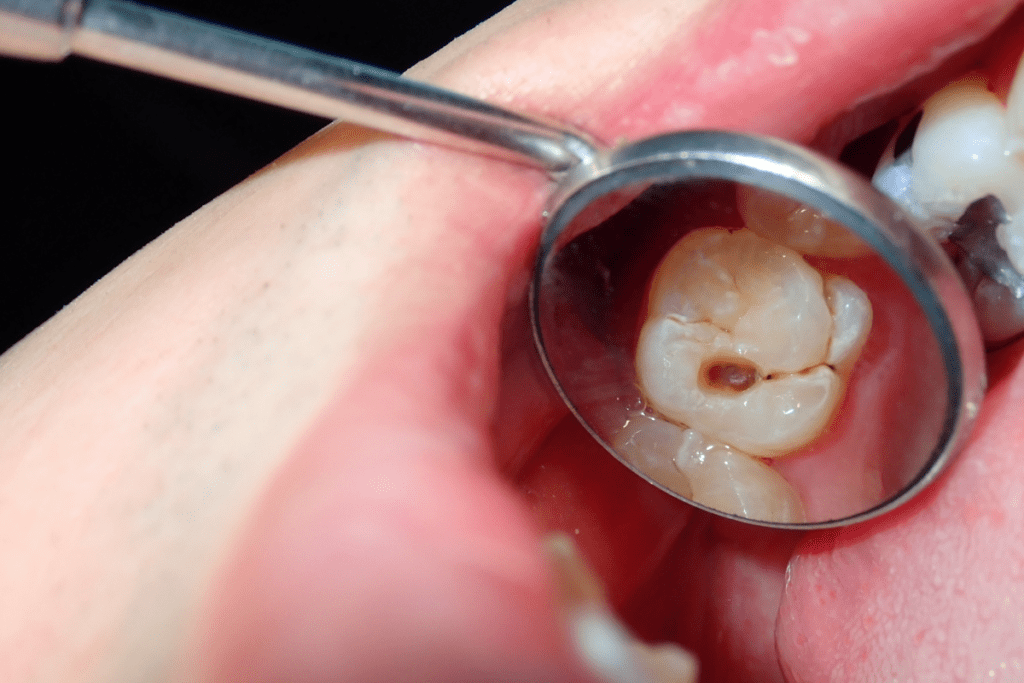
Brushing: Are You Actually Doing It Right?
Brushing feels like second nature, and most of us have been doing it since childhood. But technique, timing, and tools all matter more than people realise. Brushing your teeth properly is your single most effective defence against cavities. A poor tooth brushing technique can leave plaque exactly where decay starts.
How Long And How Often You Should Brush
Brush twice a day, once in the morning and once last thing at night before bed. Two minutes each time is the minimum. Brushing at night is particularly important because saliva production drops while you sleep, leaving your teeth more vulnerable to acid.
The Best Technique For Removing Plaque Effectively
- Hold your toothbrush at a 45-degree angle to your gumline, where plaque tends to accumulate.
- Use small, circular motions rather than scrubbing back and forth – aggressive horizontal brushing can wear down enamel and irritate gums over time.
- Work methodically around every surface of every tooth (the outer faces, the inner faces, and the chewing surfaces), and don’t forget the backs of your lower front teeth, one of the most commonly missed spots.
- Finish by brushing your tongue, which harbours bacteria too.
Electric Vs Manual Toothbrush – What Actually Makes A Difference
Electric toothbrushes, particularly oscillating-rotating models, are clinically proven to remove more plaque than manual brushing, making them a great tool in preventing cavities. They do more of the work for you, which is especially useful if you tend to brush too hard or too quickly.
That said, a manual toothbrush used with good technique is far better than an electric one used carelessly. If you’re using a manual brush, soft bristles are always the right choice – medium and hard bristles offer no additional cleaning benefit. They can damage enamel and gums with repeated use.
The One Brushing Mistake Most People Make
If you’ve just finished a glass of orange juice or a fizzy drink, resist the urge to brush straight away. Acidic foods and drinks temporarily soften tooth enamel, and brushing while it’s in this weakened state can do more harm than good, effectively scrubbing away the very surface you’re trying to protect. Wait at least 30 minutes after anything acidic before you brush. In the meantime, rinsing your mouth with water helps neutralise the acid and gives your enamel time to reharden.
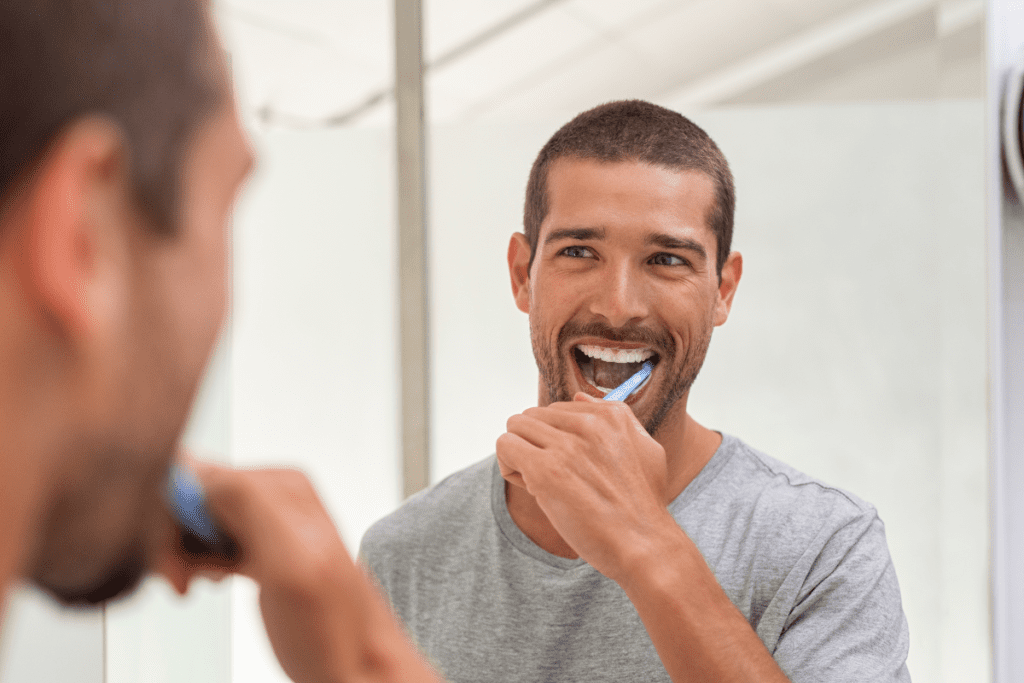
Why Fluoride Is Your Teeth’s Best Friend
Fluoride is one of the most well-researched and effective tools in cavity prevention, and it’s already in your bathroom cabinet. A naturally occurring mineral, fluoride strengthens tooth enamel, making it more resistant to acid attacks that cause decay. It can even help reverse the earliest stages of damage before a cavity has a chance to form. Used consistently and correctly, it’s one of the simplest things you can do to protect your teeth for life.
How Fluoride Strengthens Enamel And Reverses Early Decay
Every day, your enamel loses minerals through acid exposure – a process called demineralisation. Fluoride helps reverse this by drawing calcium and phosphate back into the enamel and forming a stronger, more acid-resistant surface in their place. This process, known as remineralisation, can halt early-stage decay in its tracks. It won’t repair a cavity that has already formed, but it gives your teeth a fighting chance before things reach that point, which is exactly why consistent daily use matters.
How To Choose The Right Toothpaste
For adults, look for toothpaste containing 1,350–1,500 parts per million (ppm) of fluoride – the level recommended by dental professionals for effective cavity protection. Most standard supermarket toothpastes fall within this range, so you don’t need to spend a fortune.
Children’s toothpastes are formulated differently depending on age, with lower fluoride concentrations for younger children, so it’s worth checking the label. If you’re unsure what’s right for you or your family, your dentist or hygienist can point you in the right direction at your next visit.
Should You Use a Fluoride Mouthwash?
A fluoride mouthwash is a worthwhile addition to your routine, but with one important caveat: don’t use it immediately after brushing. Rinsing straight after brushing washes away the concentrated fluoride left behind by your toothpaste, reducing its protective effect.
Use mouthwash at a separate time, such as after lunch, to give your teeth an additional fluoride boost when brushing isn’t practical. Look for a mouthwash containing sodium fluoride, and avoid alcohol-based formulas if you have a dry mouth, as alcohol can worsen dryness.
Professional Fluoride Treatments – What They Are And When To Ask About Them
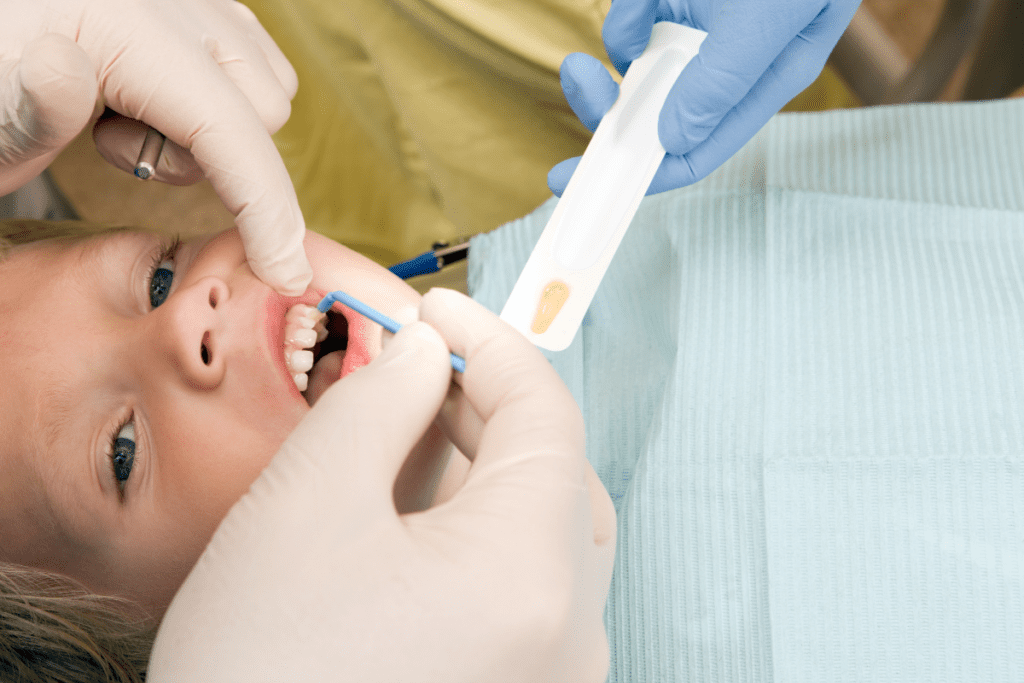
Professional fluoride treatments, typically applied as a gel during your dental appointment, deliver a much higher concentration of fluoride directly to the tooth surface than any over-the-counter product. They take only a few minutes and are completely painless. They’re particularly beneficial for anyone at higher risk of decay, including people with dry mouth, those undergoing orthodontic treatment, or patients who have had multiple fillings. If you’re not sure whether a professional fluoride treatment is right for you, it’s a straightforward question to raise at your next check-up with our team.
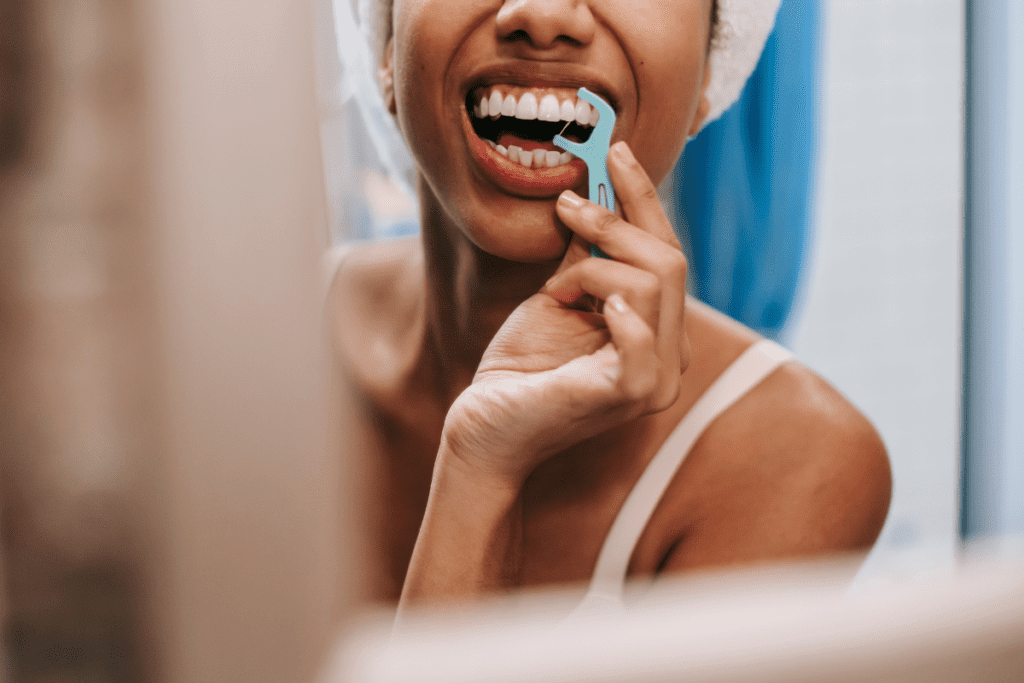
The Truth About Flossing (And What to Do If You Hate It)
Flossing is the part of the oral health routine most people quietly skip. It feels fiddly, it takes time, and if your gums bleed, it can feel like you’re doing more harm than good. But the truth is, no matter how well you brush, your toothbrush simply cannot clean between your teeth – and that’s where some of the most common cavities form. If you want to learn how to prevent cavities, start adding flossing to your daily dental routine.
Why Flossing Reaches Where Brushing Can’t
Around a third of each tooth’s surface sits between the teeth, completely out of reach of a toothbrush. Plaque that builds up in these tight spaces has the ideal conditions to produce acid undisturbed. Over time, this leads to interproximal decay, the type of cavity that develops between teeth and is often only spotted on an X-ray by the time it causes any symptoms. Flossing once a day removes that plaque before it can do damage.
Alternatives To Traditional Floss – Interdental Brushes And Water Flossers
If traditional string floss genuinely doesn’t work for you, the good news is that it isn’t your only option. The best tool is simply the one you’ll actually use consistently.
- Interdental brushes (small, soft-bristled brushes that fit between the teeth) are actually more effective than floss for people with wider gaps, and many patients find them easier to handle.
- Water flossers use a pressurised stream of water to flush plaque and debris from between teeth and along the gumline, and are particularly useful for people with braces or bridges.
How Often And When To Floss For Best Results
Once a day is enough, but the timing matters. Flossing before your bedtime brush is ideal, as it clears debris and plaque from between the teeth so that your toothpaste can reach those surfaces more effectively. If your gums bleed when you first start flossing regularly, don’t be alarmed and don’t stop – in most cases, bleeding settles within a week or two as your gums become healthier. Persistent bleeding beyond that is worth mentioning to your dentist, as it can be an early sign of gum disease.
Diet and Cavities: What to Eat, What to Avoid, and When It Matters
What you eat directly affects your risk of cavities, but diet and dental health are more nuanced than simply avoiding sugar. Understanding the relationship between food, frequency, and your enamel gives you practical tools to protect your teeth without overhauling everything you enjoy.
It’s Not Just What You Eat – It’s How Often
Every time you consume something sugary or starchy, the bacteria in your mouth produce acid for up to 30 minutes afterwards. Eat three meals a day with no snacking in between, and your teeth get plenty of recovery time. Graze on biscuits, sweets, or sugary drinks throughout the day, and your enamel is under near-constant acid attack with no opportunity to remineralise. It’s the frequency of exposure, not just the quantity, that drives decay.
Drinks That Damage Enamel (Including Ones You’d Never Expect)
Fizzy drinks and fruit squash are well-known culprits, but the list of enamel-damaging drinks is longer than most people realise.
- Fruit juice ( including freshly squeezed) is highly acidic and can erode enamel with regular consumption.
- Sports and energy drinks combine high acidity with high sugar content, making them particularly damaging.
- Coffee and tea aren’t acidic enough to cause significant erosion on their own, but adding sugar and sipping slowly throughout the day changes that picture considerably.
- Even sparkling water, while a far better choice than sugary drinks, is slightly acidic and best consumed with meals rather than sipped continuously.
When you do have something acidic, drink it through a straw where possible, follow it with water, and wait at least 30 minutes before brushing.
Teeth-Friendly Foods That Actually Help Protect Enamel
Some foods actively support your dental health rather than undermining it. Cheese is one of the best, as it stimulates saliva production, raises the pH in your mouth, and contains calcium and phosphate that help remineralise enamel. Plain dairy products like milk and natural yoghurt offer similar benefits.
Crunchy raw vegetables such as carrots and celery act as natural plaque disruptors and increase saliva flow. Nuts provide calcium and phosphorus without the sugar hit. And water is the single best drink for your teeth, washing away food debris and supporting healthy saliva production. Eating more of these foods won’t undo poor brushing habits, but they do give your teeth a genuine helping hand.

Can You Reverse a Cavity? What Early Decay Really Means
If your dentist has mentioned early decay or a watch area on your tooth, it doesn’t necessarily mean a tooth filling is inevitable. There is a brief window during which the decay process can be slowed, halted, or even reversed. Understanding where that window is one of the most useful things you can know about how to prevent cavities.
Remineralisation – How Teeth Can Repair Themselves
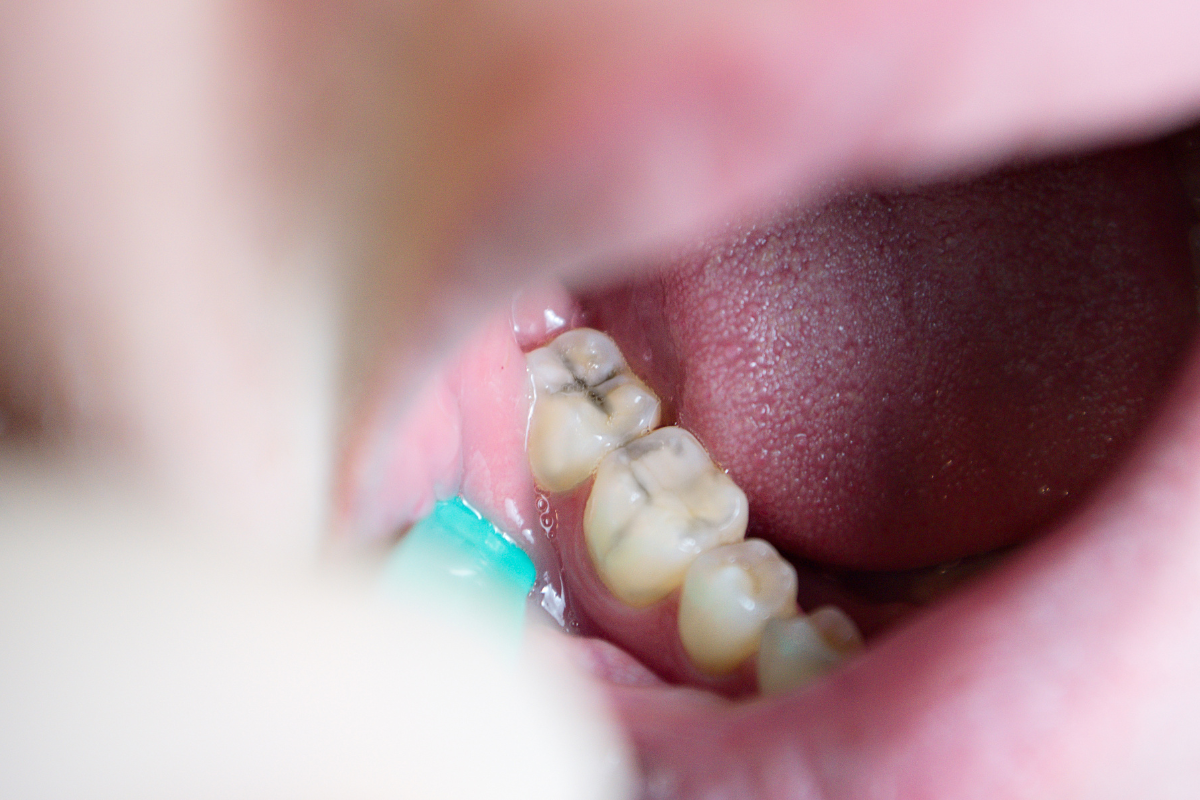
Your teeth are in a constant cycle of mineral loss and gain. Every acid attack causes a small amount of demineralisation (minerals leaching out of the enamel). In the hours that follow, saliva, fluoride, and calcium work to restore those minerals in a process called remineralisation. In the very early stages of decay, when enamel has lost minerals, but no physical hole has yet formed, this natural repair process can genuinely reverse the damage. These early lesions often appear as chalky white spots on the tooth surface. At this stage, improved brushing habits, fluoride use, and dietary changes can be enough to stop decay progressing – without any drilling required.
When A Filling Becomes Necessary
Once decay progresses beyond the enamel and reaches the softer dentine layer beneath, remineralisation is no longer sufficient. The structure of the tooth has been physically compromised, and a filling becomes necessary to remove the decayed material and restore the tooth.
At this stage, leaving the cavity untreated means decay will continue to spread deeper into the tooth, moving closer to the nerve and increasing the risk of pain, infection, and the need for more complex dental treatment.
Why Catching Decay Early Saves Time, Money, And Your Tooth
A small cavity, when treated promptly, requires a simple filling. Left untreated, that same cavity may eventually need root canal treatment, a crown, or in the worst cases, extraction.
Regular check-ups mean that small, easily treatable problems are caught before they become large, expensive ones. At Pure Dental, we use every appointment as an opportunity to spot the earliest signs of decay, giving you the best possible chance of avoiding more invasive treatment down the line.

How to Prevent Cavities in Children
Good oral hygiene habits formed early tend to last a lifetime. Children’s teeth are more vulnerable to decay than adult teeth, and the foundations you put in place now, from the first tooth through to the teenage years, make a real difference to their long-term oral health.
When To Start Brushing Your Child’s Teeth
Start brushing as soon as the first tooth appears, usually around six months. Use a soft-bristled baby toothbrush and a smear of fluoride toothpaste twice a day. Children generally need help brushing until around age 7, when they develop the dexterity to do a thorough job on their own. Supervising brushing until then, and making sure they spit rather than swallow, builds the right habits from the start.
How Much Toothpaste Children Should Use (And Why It Matters)
The amount of fluoride in toothpaste matters for children, as does how much they use.
- For children under three, use a smear no bigger than a grain of rice.
- For children aged three to six, a pea-sized amount is enough.
- Children aged seven and above can use an adult toothpaste containing 1,350 to 1,500ppm fluoride, the same as the rest of the family.
Getting the amount right ensures children get the protective benefits of fluoride without consuming more than is necessary.
Fissure Sealants, What They Are And Whether Your Child Needs Them
Fissure sealants are thin protective coatings applied to the chewing surfaces of the back teeth, where the deep grooves and pits are most prone to trapping food and bacteria. The treatment is quick, painless and entirely non-invasive. Sealants are most commonly applied when the first and second permanent molars come through, typically between the ages of six and fourteen. They can significantly reduce the risk of decay in these vulnerable surfaces and are well worth discussing with your dentist when your child’s adult teeth start to come through.
Making Good Habits Stick
The biggest challenge with children’s dental care and teaching them how to prevent cavities is consistency. Brushing at the same time each day as part of a wider routine, morning and before bed, helps it become automatic. Using a timer, a favourite song, or a brushing app can make two minutes feel less like a chore for younger children.
Keeping sugary snacks and drinks to mealtimes, and offering water as the default drink between meals, removes much of the dietary risk without making teeth the centre of every food conversation.
How Regular Dental Visits Prevent Cavities
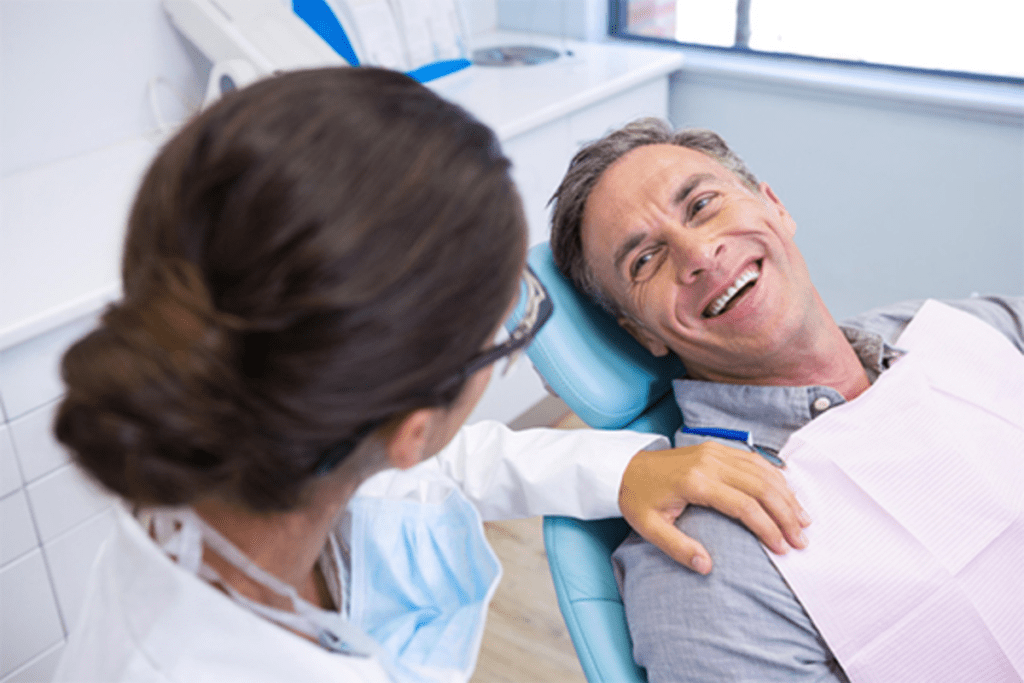
Brushing and flossing at home are essential, but they have limits. A regular dental check-up and hygienist appointment provides a level of monitoring and care that no home routine can replicate, and it’s one of the most effective things you can do to stay cavity-free.
The Role Of A Hygienist In Cavity Prevention
Your hygienist plays a central role in preventing tooth decay. A professional cleaning removes calculus, the hardened form of plaque that brushing alone cannot shift, from the surfaces and margins of teeth where decay is most likely to begin.
Your hygienist can also identify areas where your brushing technique leaves plaque behind and offer practical, personalised advice on how to improve your home routine.
How Often Should You Visit The Dentist?
For most adults, a check-up every six months strikes the right balance between monitoring and convenience. However, your dentist may recommend more frequent visits if you have a higher risk of cavities, a history of frequent decay, gum disease, or dry mouth.
The interval between appointments isn’t one-size-fits-all, and it’s something your dentist will advise based on your individual circumstances. If you’re a new patient or haven’t been seen in a while, the first step is to book an initial appointment so we can assess where things stand and put a plan in place.

Conclusion
Preventing cavities isn’t about perfection; it’s about consistency. Brush well twice a day, floss daily, make small adjustments to when and how often you eat sugary foods, and see your dentist and hygienist regularly. Do those things, and you’re giving your teeth the best possible chance of having healthy teeth and gums for life.
If you’re overdue for a check-up, or you’d simply like to talk through your dental health with a member of our team, we’d love to hear from you. We’re welcoming new patients at our Truro practice, and we offer a free treatment advisor consultation for anyone who wants to explore their options without any pressure or commitment.
FAQs – How to Prevent Cavities
What is the best way to prevent cavities?
Brush twice a day with fluoride toothpaste, floss daily, limit sugary and acidic food and drink to mealtimes, and attend regular dental check-ups and hygienist appointments. A consistent combination of all four makes the biggest difference.
Can cavities be prevented naturally?
A good diet, thorough brushing and flossing, and staying well hydrated all support your mouth’s natural defences. Saliva is your mouth’s built-in protection, neutralising acid and remineralising enamel between meals. That said, fluoride toothpaste remains the most evidence-backed tool for cavity prevention and is well worth using alongside any natural approach.
What happens if you leave a cavity untreated?
Decay doesn’t stay still. When cavities are left untreated, the decay will continue to grow, moving through the enamel into the softer dentine beneath, and eventually towards the nerve of the tooth. What starts as a simple filling can become a root canal, a crown, or in the worst cases, an extraction. Early treatment is always simpler, less costly, and better for the long-term health of the tooth.
Do I still need to see a dentist if my teeth feel fine?
Yes. Cavities rarely cause pain or noticeable symptoms in their early stages, which is precisely when they’re easiest and cheapest to treat. By the time a tooth starts hurting, decay has usually progressed significantly. Regular check-ups allow problems to be caught and dealt with long before they become uncomfortable.
How do I know if I have a cavity?
In the early stages, you often won’t. As decay progresses, you may notice sensitivity to sweet, hot, or cold food and drink, a visible hole or discolouration on the tooth, or a persistent dull ache. However, many cavities produce no symptoms at all until they’re well established, which is why X-rays at a routine check-up are such a valuable diagnostic tool.
Can cavities be prevented?
In the vast majority of cases, yes. Cavities are largely preventable with the right daily habits and regular professional care. While some people are more susceptible to decay than others due to genetics, medication, or medical conditions, those risk factors can be managed effectively with the right support from your dental team.
Can I stop a cavity once it starts?
It depends on how early it’s caught. In the very earliest stage, where enamel has lost minerals, but no physical hole has formed, the decay process can be halted or reversed through improved brushing, fluoride use, and dietary changes. Once a cavity has broken through the enamel surface, it requires a filling to stop it from progressing. This is why regular check-ups matter – the earlier decay is spotted, the more options you have.
How do I stop getting cavities?
Start with the basics: brush for 2 minutes twice a day with fluoride toothpaste, floss daily, and cut back on how often you eat or drink sugary or acidic foods and drinks. If you’re doing all of that and still getting cavities regularly, it’s worth having a conversation with your dentist about your individual risk factors, as dry mouth, certain medications, and other conditions can all increase susceptibility in ways that can be addressed with the right guidance.