Dental implants for seniors are far more common (and more achievable) than many people realise. If you’re in your 60s, 70s, or beyond and wondering whether you’ve left it too late or whether your health or bone density might rule you out, this guide is here to put your mind at rest.
At Pure Dental Health, some of the patients whose lives have changed most dramatically through dental implant treatment have been older adults who almost talked themselves out of taking that first step. So before you do the same, let’s walk through everything you need to know, from costs and suitability to what the process actually feels like, to give you peace of mind in your decision.
Why So Many Seniors Are Choosing Dental Implants?
Missing teeth change how you eat, how you speak, and quietly chip away at your confidence in ways that are hard to put into words until you’ve experienced it. For a long time, dentures were the only realistic option for older adults dealing with significant tooth loss. That’s no longer the case.
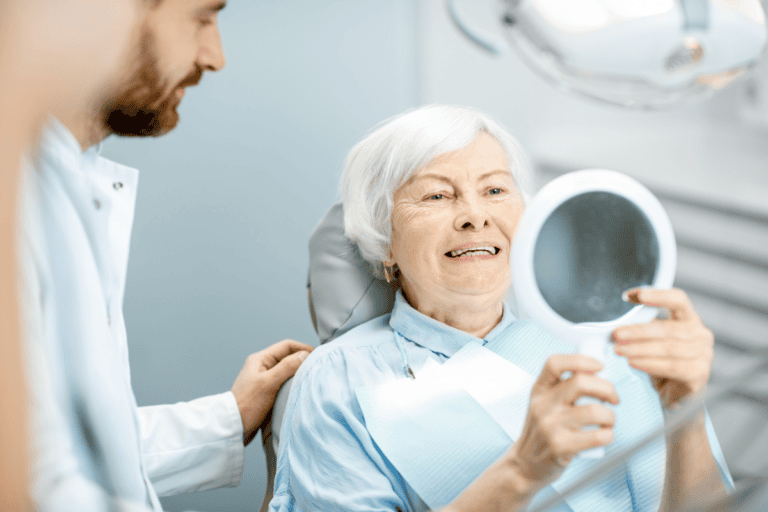
Dental implants for seniors have become increasingly popular because they offer something dentures simply can’t: a permanent, stable solution that looks, feels, and functions like a natural tooth. No adhesives, no removing them overnight, no worrying about them slipping at the dinner table. Just teeth you can forget about, in the best possible way.
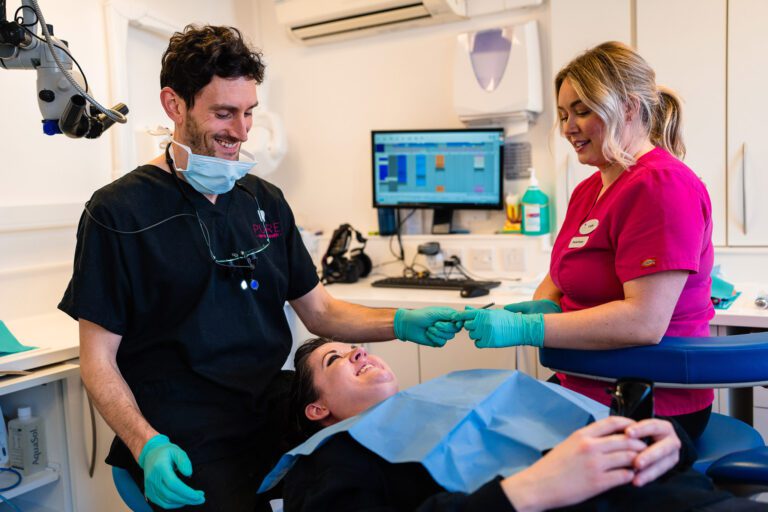
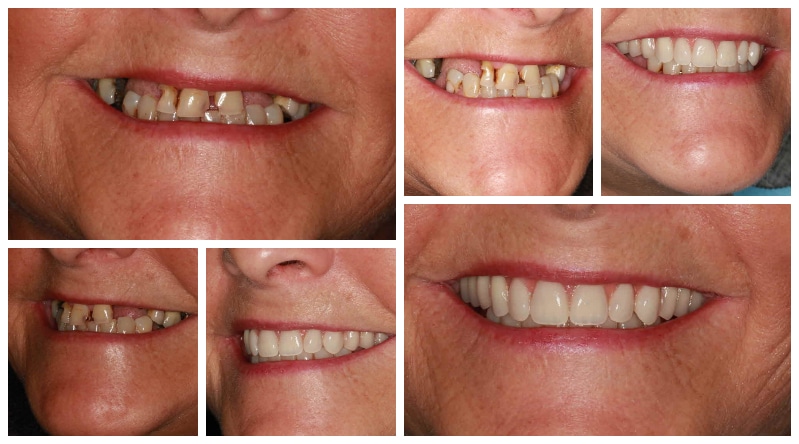
At Pure Dental Health, we’ve seen firsthand how this treatment changes lives. Mark Durnall has placed and restored over 3000 implants, making him one of the most experienced implantologists in the UK. Lynn, one of our patients, described walking differently after her implants; shoulders back, head up, because for the first time in years, she felt free.

“Family and friends that I see regularly can’t believe that they’re not real teeth, because they look so real, and they also like the confidence it’s given me. Everybody mentions that, and everybody also mentions I always used to walk with a stoop; I don’t anymore; my shoulders are back because I’m free again. Definitely go to Mark at Pure Dental because you won’t be frightened from the minute you meet his team because I was the most nervous patient you could ever wish to meet.”
What Are Dental Implants and How Do They Work?
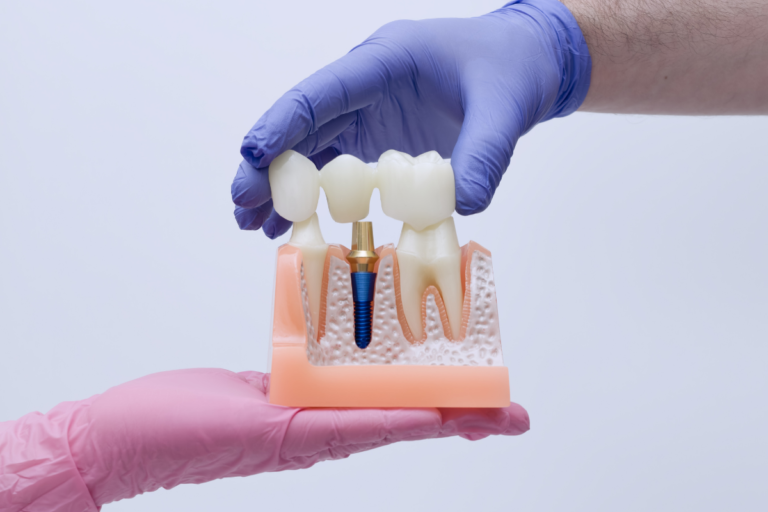
A dental implant is a small titanium post that’s placed into your jawbone to act as an artificial tooth root. Once in place, it’s used to support a replacement tooth that looks, feels and functions just like the real thing. It’s one of the most clinically proven treatments in modern dentistry, with decades of research and millions of successful cases worldwide.
The Three Components: Implant, Abutment And Crown
Every dental implant has three parts:
- The implant itself is the titanium post that sits in the jawbone.
- The abutment is a small connector that attaches to the top of it.
- The crown is the visible part (the tooth you actually see) custom-made to match the shape and shade of your natural teeth.
Together, they create a result that’s virtually indistinguishable from the real thing.
How Implants Fuse With The Jawbone
Once the implant is placed, something remarkable happens. Over the following weeks, the bone naturally grows around and bonds to the titanium surface in a process called osseointegration. Once it’s fused, it’s exceptionally stable. This is what gives implants their permanence and what makes them so different from any other tooth replacement option.
Are Dental Implants Suitable for Seniors?
Age alone is not a barrier to dental implants. What matters far more is your overall health, the condition of your jawbone, and whether your mouth is in a stable enough state to support treatment. For the vast majority of older adults, the answer is yes.
Is There An Age Limit For Dental Implants?
There is no upper age limit for dental implants. We’ve successfully treated patients well into their 80s, and chronological age tells us very little about whether someone will respond well to treatment. What we’re looking at is biological suitability (your bone health, gum condition, and general well-being), not the number on your passport.
Health Conditions That May Affect Suitability
Certain health conditions do require careful consideration before treatment begins. Uncontrolled diabetes, evidence of active gum disease or a history of radiotherapy to the jaw are among the factors we assess during your consultation. That said, many patients with complex health histories go on to have successful implant treatment – it’s rarely a straight no. It simply means your dental care needs to be planned thoughtfully, which is exactly what your initial assessment is for.
What About Bone Loss – Am I Still A Candidate?
Bone loss is common in older adults, particularly where teeth have been missing for some time. In many cases, it can be addressed with a bone graft before or during implant placement. Where significant bone loss makes traditional implants less straightforward, alternative types of dental implants such as zygomatic implants or implant-supported dentures may offer a better route. The only way to know for certain is a proper clinical assessment – which is why we offer a free treatment advisor consultation as your first step.
Subperiosteal Implants – A Specialist Solution for Complex Bone Loss
For seniors with severe bone loss who may have been told implants simply aren’t possible, there is another option, and it’s one that very few clinicians in the UK, or indeed the world, are able to offer. Subperiosteal implants sit on top of the jawbone rather than within it, making them suitable for patients where traditional implant placement isn’t viable. At Pure Dental, Mark Durnall is one of an exceptionally small number of clinicians anywhere in the country providing this specialist treatment. If you’ve previously been turned away or told your bone loss is too advanced, this could change everything. We’d encourage you to book a free treatment advisor consultation to find out whether this remarkable solution could be right for you.
If you’re interested in getting dental implants, we are hosting two free dental implant talks on 18 June at The Cornwall Hotel at 2pm and 6pm. Take a look here to sign up here
What Is the Cost of Dental Implants for Seniors?
The cost of dental implants for seniors in the UK varies depending on how many teeth need replacing and the complexity of your case. At Pure Dental Health, a single implant fully restored with a crown starts from £3,000, with more extensive treatments priced from there. While the upfront cost is significant, most patients find it easier to think of implants as a long-term investment that, with proper care, should last decades.
Single Dental Implant Costs UK
A single dental implant at Pure Dental Health starts from £3,000, fully restored with a crown. That’s an all-in price covering the implant, abutment and crown. For one missing tooth, it’s a straightforward solution with no hidden costs.
Full Mouth Dental Implants For Seniors – What To Expect
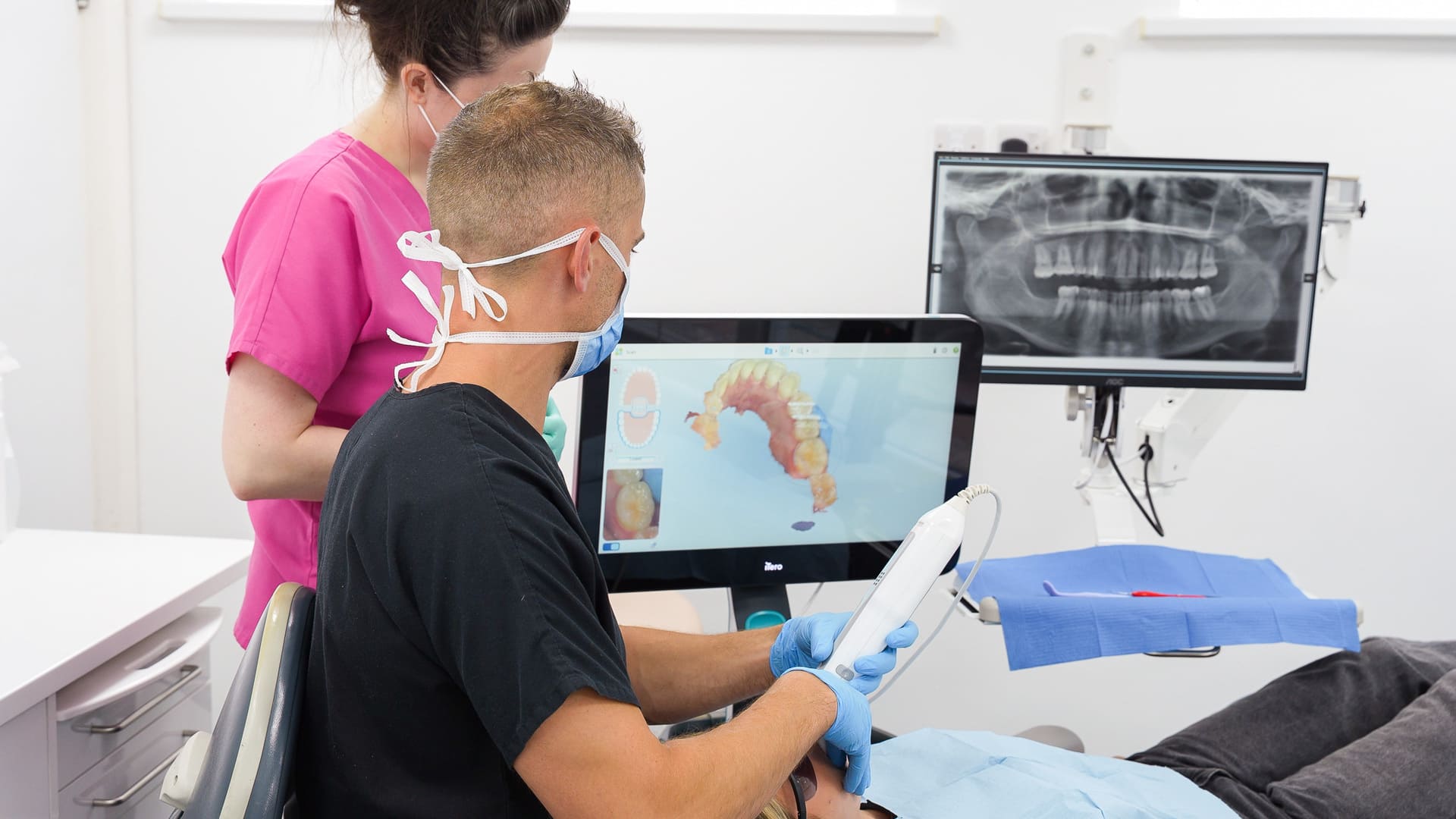
For patients who have lost most or all of their teeth, Same Day Teeth (where a full set is supported by implants placed in a single appointment) is available from £16,500. It’s a transformative option, and the name is quite literal: you leave with a fixed set of teeth on the same day as your procedure.
Implant-Supported Dentures – A Cost-Effective Middle Ground
Denture stabilisation, where implants are used to anchor an existing or new denture securely in place, starts from £6,500. It’s a practical option for patients who want far greater stability than traditional dentures offer, without the cost of a fully fixed restoration.
Are Free Dental Implants Available For Seniors In The UK?
NHS dental implants are not routinely available, and genuinely free implant schemes are extremely limited. Occasionally, dental schools or clinical trials offer subsidised treatment cost, but availability is rare. For most patients, private dental treatment with flexible payment options is the realistic route.
How To Spread The Cost With Dental Finance
Pure Dental Health offers dental finance, allowing you to spread the cost into manageable monthly payments. Your treatment advisor can talk through the options available during your free consultation, so you have a clear picture of what’s involved before committing to anything.
Types of Dental Implants Available for Seniors
There is no one-size-fits-all solution when it comes to dental implants. The right option depends on how many teeth you’re missing, the condition of your jawbone, and what you want your result to look and feel like. Here’s a straightforward overview of what’s available.
Single Tooth Implants
If you’re missing one tooth, a single implant is the most natural and permanent way to replace it. A titanium post is placed into the jawbone, topped with a custom-made crown that blends seamlessly with your surrounding teeth. Nobody will be able to tell the difference, and more importantly, neither will you.
Multiple Tooth Implants
Where several teeth are missing, implants can be used to support a bridge or individual crowns across a wider area. This avoids the need to alter healthy neighbouring teeth, which is often required with traditional bridgework. It’s a stable, long-lasting solution that restores both function and appearance.
Same-Day Dental Implants – Are They Right For Older Patients?
Same-day dental implants, sometimes called ‘Teeth in a Day’, allow a full arch of teeth to be placed and fitted in a single appointment. For older patients in good enough health to proceed, age is not a barrier. The results are remarkable.
Implants For Dentures – The Best Of Both Worlds
If you currently wear dentures and find them uncomfortable, unstable, or restrictive, implant-retained dentures could be a life-changing upgrade. A small number of implants are placed to act as anchors, holding your denture firmly in position. You get the security of implants with the flexibility of a removable appliance, and none of the slipping, clicking or adhesive creams that come with conventional dentures.
Dental Implants vs Dentures for Seniors – Which Is Right for You?
Both dental implants and dentures are legitimate solutions for tooth loss, and for some patients, dentures remain the right choice. The decision comes down to your health, your lifestyle, and what matters most to you day to day.
| Dental Implants | Dentures | |
| Feel | Fixed and natural, like real teeth | Removable, can feel loose over time |
| Stability | Permanent, no movement | Can slip when eating or speaking |
| Bone health | Stimulates the jawbone, preventing loss | Does not prevent bone loss |
| Maintenance | Brush as normal, no removal needed | Must be removed and cleaned daily |
| Diet | No restrictions | Hard or sticky foods can be difficult |
| Upfront cost | Higher | Lower |
| Longevity | Decades with good care | May need replacing every 5 to 10 years |
| Procedure | Requires minor surgery | Non-invasive, no surgery needed |
| Best suited to | Patients wanting a permanent, low-maintenance solution | Patients for whom surgery is not suitable, or cost is the primary consideration |
Dentures have improved enormously and continue to help millions of people live comfortably. But if you’re finding yours increasingly difficult to manage, or you’ve never quite felt at ease with them, dental implants for seniors are worth exploring seriously. Many of our patients tell us they wish they’d made the switch sooner.
What Does the Dental Implant Process Look Like for Older Patients?
One of the most common things patients tell us is that the process was far more straightforward than they expected. Here’s what it actually involves:
1. Your Initial Consultation And Assessment
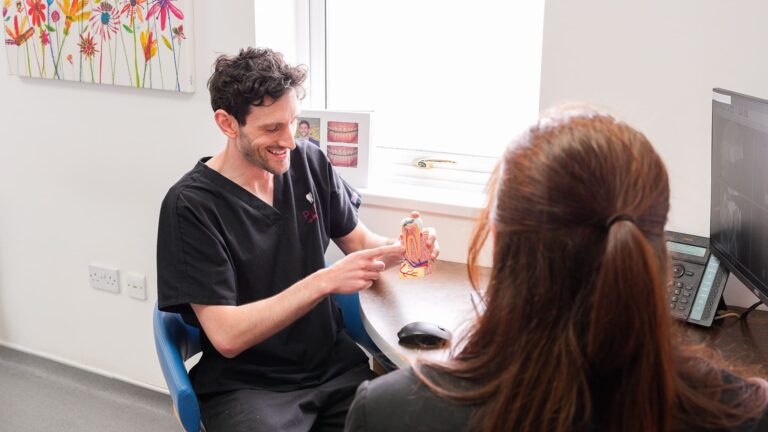
Your first step is a free treatment advisor consultation, where we take the time to understand your situation, answer your questions, and give you an honest picture of whether implants are right for you. There’s no pressure and no commitment. If you decide to proceed, a full clinical assessment follows, including scans and X-rays to evaluate your bone and gum health.
2. Treatment Planning – What We Check Before We Begin
Before any treatment starts, your dentist will review your medical history, current medications, and the condition of your jawbone and remaining teeth. For older patients, this stage is particularly thorough. If any preparatory work is needed, such as a bone graft or treatment for gum disease, this will be built into your plan before implant placement begins.
3. The Implant Procedure Step By Step
The implant itself is placed under local anaesthetic so that you won’t feel pain during the procedure. A small titanium post is inserted into the jawbone, and the area is left to heal. Over the following weeks, the bone fuses with the implant. Once that process is complete, the abutment and crown are attached, completing your new tooth. The timeline from first implant to final crown typically runs from three to six months, depending on your individual healing.
Healing And Recovery – What To Expect As A Senior
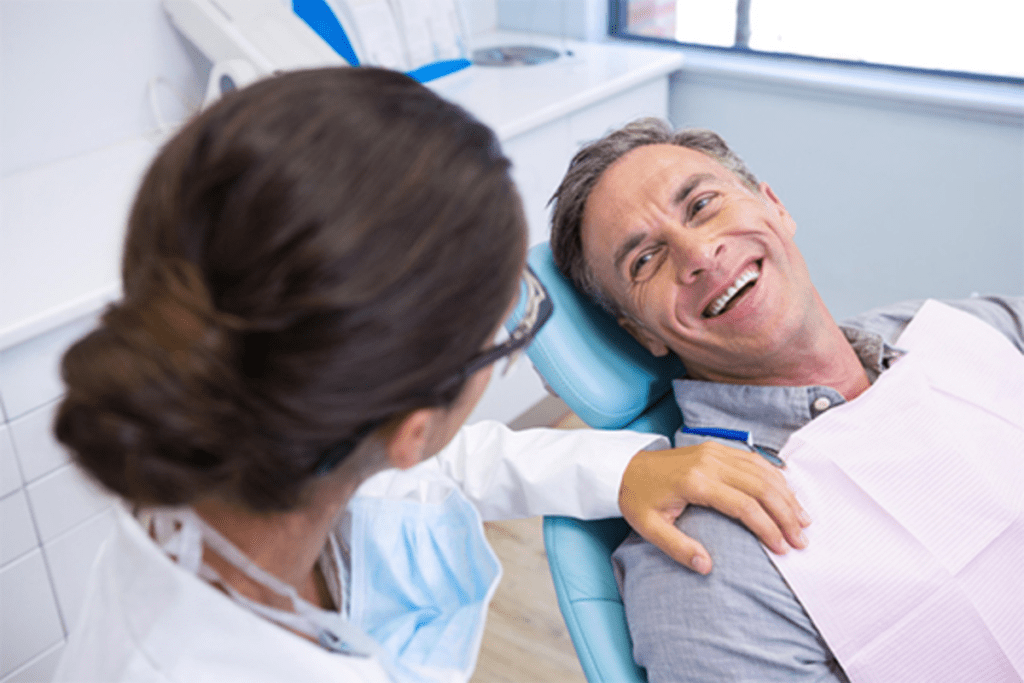
Most patients are surprised by how manageable recovery is. Some tenderness and mild swelling in the days following placement is normal and settles quickly. Your team will give you clear dental implant aftercare instructions and be on hand throughout.
How Long Do Dental Implants Last?
With good oral hygiene and regular dental check-ups, dental implants can last 20 years or more. Many last a lifetime. The crown may need replacing after 10 to 15 years, but the implant itself, once integrated with the bone, is built to be permanent.
Dental Implants and Your Health – What Seniors Need to Know
How Implants Help Prevent Jawbone Loss
When a tooth is lost, the jawbone beneath it begins to shrink over time because there is no longer a root stimulating it. Implants replicate that stimulation, keeping the bone active and preventing the gradual facial changes that long-term tooth loss can cause. It’s one of the most important health benefits of implants and one that dentures simply cannot offer.
The Link Between Oral Health And Overall Health In Later Life
Poor oral health in later life has been linked to a range of wider health concerns, including cardiovascular disease, diabetes complications, and nutritional deficiencies caused by difficulty chewing. Restoring a full, functional set of teeth supports your ability to eat well and stay in better overall health as you age.
Medications That May Affect Implant Treatment
Some medications commonly prescribed to older adults require careful consideration before implant treatment. These include blood thinners, bisphosphonates used for osteoporosis, and immunosuppressants. None of these are automatic barriers, but they do need to be discussed openly with your dentist during the assessment stage so your treatment can be planned safely around them.
Why Choose Pure Dental Health for Your Dental Implants?
Over 35 Years Serving Cornwall And The South West
Pure Dental Health has been caring for patients in Truro and across Cornwall since 1990. We’re not a chain or a corporate clinic. We’re a team of people who have built long-term relationships with our patients and our community, and that shows in the way we work.
3,000+ Implants Placed By Our Specialist Team
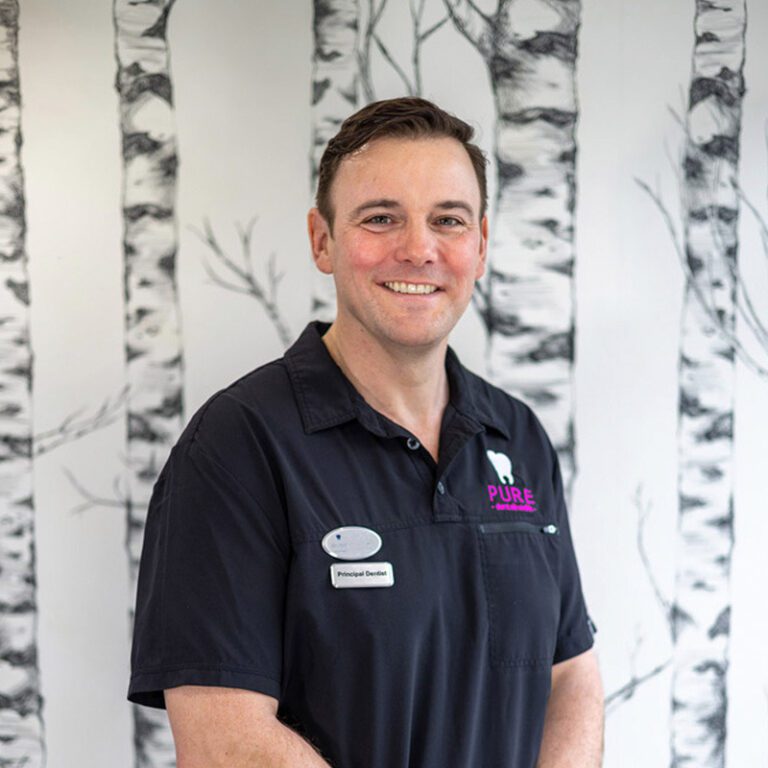
Our lead implant dentist Mark Durnall has placed over 3,000 implants across more than 25 years in practice. That level of experience matters, particularly for older patients whose cases often require more careful planning. You’re in skilled, well-practised hands.
Supporting Nervous And Anxious Patients
We understand that picking up the phone to enquire about dental treatment takes courage for many people, particularly those who haven’t seen a dentist in years. Our team is trained to support nervous and anxious patients, and our practice is designed to feel calm and welcoming from the moment you walk in. Dental sedation is also available for patients who need it.
Ready to Find Out If Dental Implants Are Right for You?
If you’ve read this far, you’re probably further along in your thinking than you realise. Our free treatment advisor consultation is a no-obligation conversation with one of our team, designed to answer your questions, talk through your options, and give you an honest picture of what treatment might look like for you. No pressure, no sales pitch, just straightforward guidance from people who do this every day.
We’ve helped hundreds of older patients across Cornwall and the South West take this step, many of whom came to us nervous, uncertain, and not quite sure implants were even possible for them. More often than not, they were.
If you’re ready to find out if dental implants for seniors are the right option for you, we’d love to hear from you.
Book your free treatment advisor consultation today – call us on 01872 222 404 or book online.
Book your FREE consultationFAQs About Dental Implants for Seniors
Should a 70-year-old get implants?
Yes, if they are in reasonable health and have sufficient bone density. Age alone is not a deciding factor. Many patients in their 70s and 80s have successful implant treatment.
How do you get implants when you can’t afford them?
Dental finance allows you to spread the cost into monthly payments rather than paying upfront. At Pure Dental Health, your treatment advisor can talk through the options available to you during your free consultation.
Can seniors get dental implants on the NHS?
NHS dental implants are not routinely available. In very limited clinical circumstances, they may be considered, but for the vast majority of patients, implants are a private treatment.
How successful are dental implants for the elderly?
Very. Research consistently shows implant success rates above 95% across all age groups, including older adults. Age does not significantly affect how well an implant integrates with the bone.
What is the cost of dental implants for seniors?
At Pure Dental Health, a single implant fully restored with a crown starts from £3,000. Denture stabilisation starts from £6,500, and Same Day Teeth are available from £16,500. A personalised quote is provided after your clinical assessment.
Am I too old for dental implants?
There is no upper age limit. Suitability is based on your overall health and bone condition, not your age.
Can I get implants if I have gum disease?
Not until it has been treated. Active gum disease needs to be resolved before implant placement can begin, as it affects the health of the bone and tissue the implant relies on. Your assessment will include a full evaluation of your gum health.
How long do dental implants last in older patients?
With good oral hygiene and regular check-ups, implants can last 20 years or more. The implant itself is designed to be permanent. The crown may need replacing after 10 to 15 years.
Will dental implants be painful?
The procedure is carried out under local anaesthetic, so you won’t feel pain during placement. Some tenderness and mild swelling afterwards is normal and usually settles within a few days. Most patients find it far more comfortable than they anticipated.
Can I get same day dental implants as a senior?
Yes, provided you are clinically suitable. Your bone density and overall health are the deciding factors, not your age. Your dentist will assess this thoroughly before recommending Same Day Teeth.
What happens if I don’t have enough bone for implants?
A bone graft can often be used to rebuild the area before implant placement. In cases of more significant bone loss, alternatives such as zygomatic implants or implant-supported dentures may be more appropriate. There are usually options available – the right one depends on your individual situation.