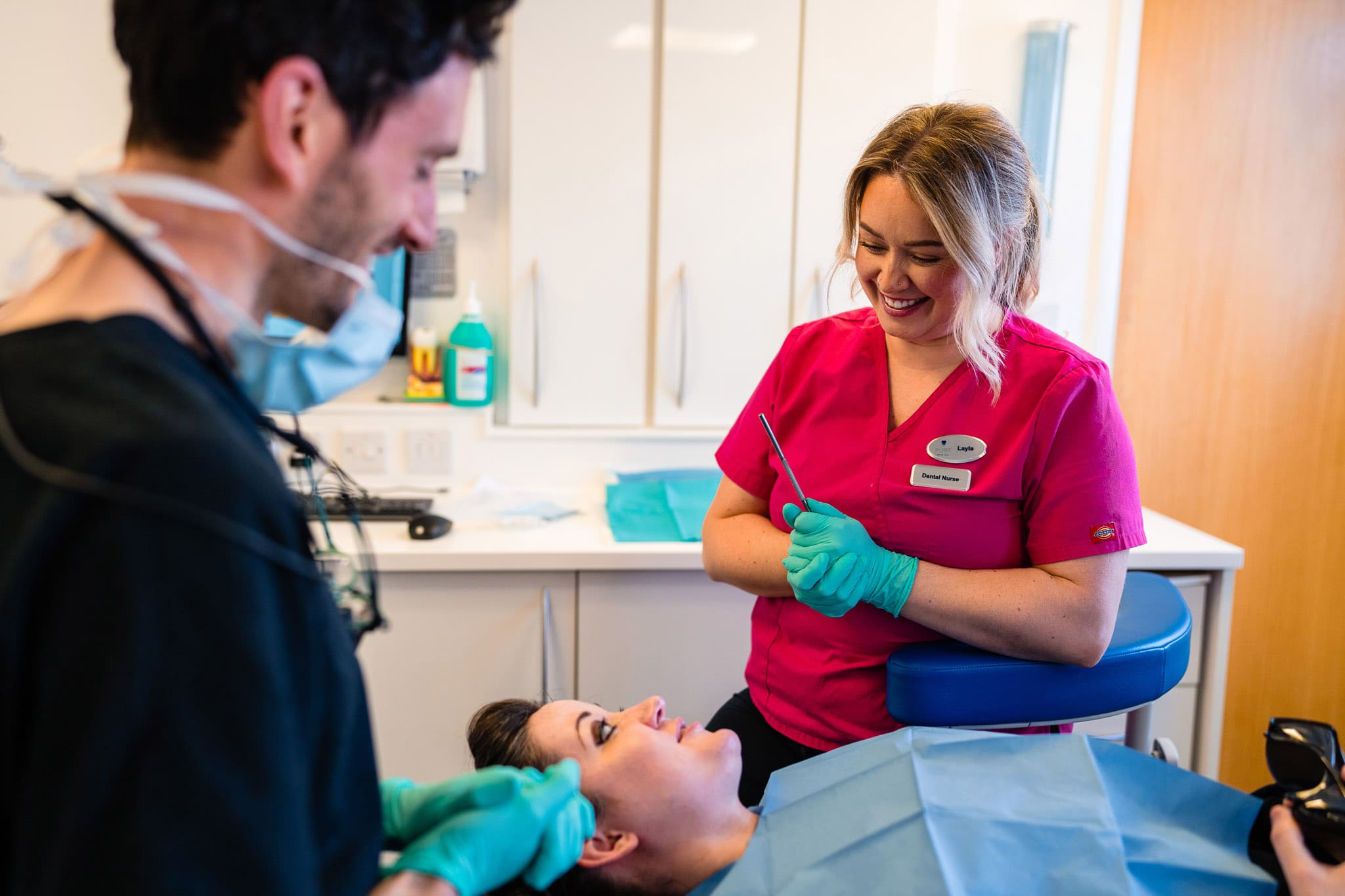
Gingival graft recovery is one of the biggest concerns patients have when they’re told they may need gum graft surgery. Here at Pure Dental, patients are guided through every stage of treatment and recovery.
From concerns about pain and healing time to questions about eating, speaking, and returning to normal routines, we offer personalised aftercare plans and advanced surgical techniques designed to speed healing and minimise discomfort. With the right preparation and expert care, gum graft recovery can be far more comfortable and predictable than most people expect.
You will always be given verbal and written aftercare instructions when you have surgery at Pure Dental; however, should you forget what you’ve been told or lose your written instructions, you can check that you’re doing all that you can to ensure a speedy and comfortable recovery by following the advice below.
Firstly, What is Gingival Graft Surgery?
Gingival graft surgery (often called a gum graft) is a gentle dental procedure used to restore areas where the gums have receded. The primary goal is to rebuild the gum line, cover exposed, sensitive tooth roots, and prevent further bone loss caused by periodontal disease or aggressive brushing. By adding healthy tissue to the affected area, it helps protect tooth roots, reduce sensitivity, and strengthen the gums for long-term oral health.
At Pure Dental, we use modern techniques and personalised care to make the procedure as comfortable as possible. Depending on your needs, the graft may come from your own palate, donor tissue, or specially selected sources, ensuring the best results for both the function and appearance of your smile.
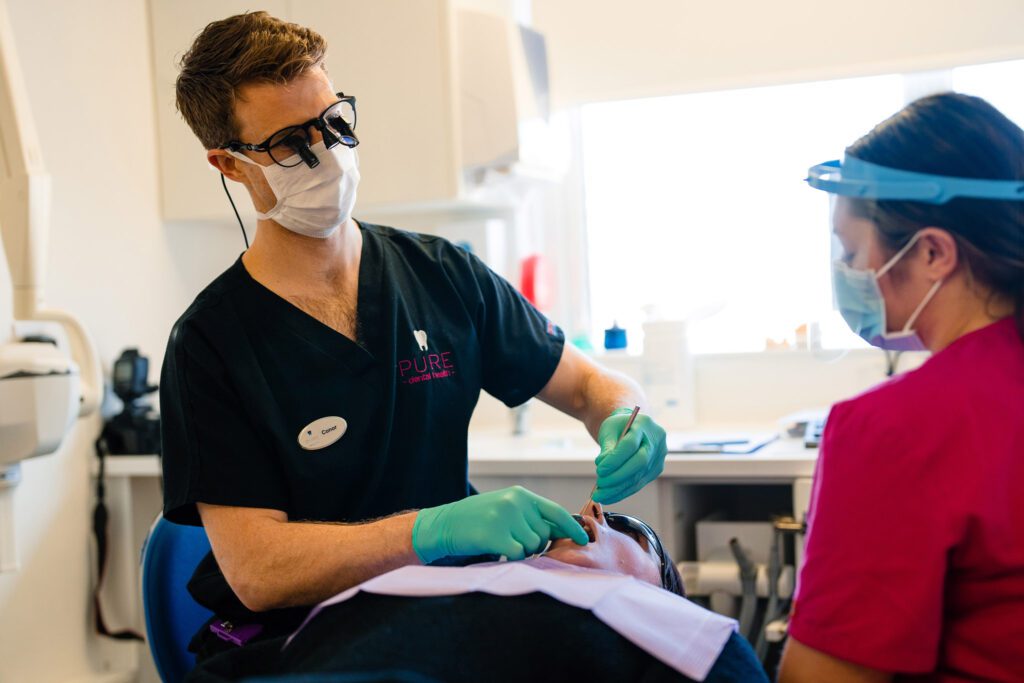
What Happens During Gingival Graft Recovery?
Recovery after a gingival graft is a staged biological healing process where the transplanted or repositioned tissue stabilises and integrates with the surrounding gum. Proper recovery plays a direct role in the long-term success of the graft and the protection of exposed tooth roots.
In the early phase, the focus is on protecting the graft and allowing a secure blood supply to form. Over the following weeks, the tissue strengthens, blends in colour and texture, and becomes more resilient.
Most patients experience mild to moderate soreness rather than severe pain. Some swelling and tenderness are normal in the first few days, especially if donor tissue was taken from the palate. As the days pass, discomfort typically reduces steadily.
How Long Does Recovery Usually Take?
The gingival graft recovery timeline varies depending on the type of graft used, the size of the treated area, and individual healing factors such as general health and smoking status. Even so, there is a fairly consistent pattern most patients follow.
- First Two Weeks: Initial surface healing usually occurs within the first fortnite post gingival graft surgery. During this time, the tissue is delicate and needs protection from brushing trauma and hard foods.
- Weeks Three to Six: The graft becomes firmer and more stable. Deeper tissue integration continues for several more weeks
- After Three Months: Full maturation is often reached by around three months.
Patients are often pleasantly surprised that they can return to many normal daily activities within a few days, even though internal healing continues in the background.
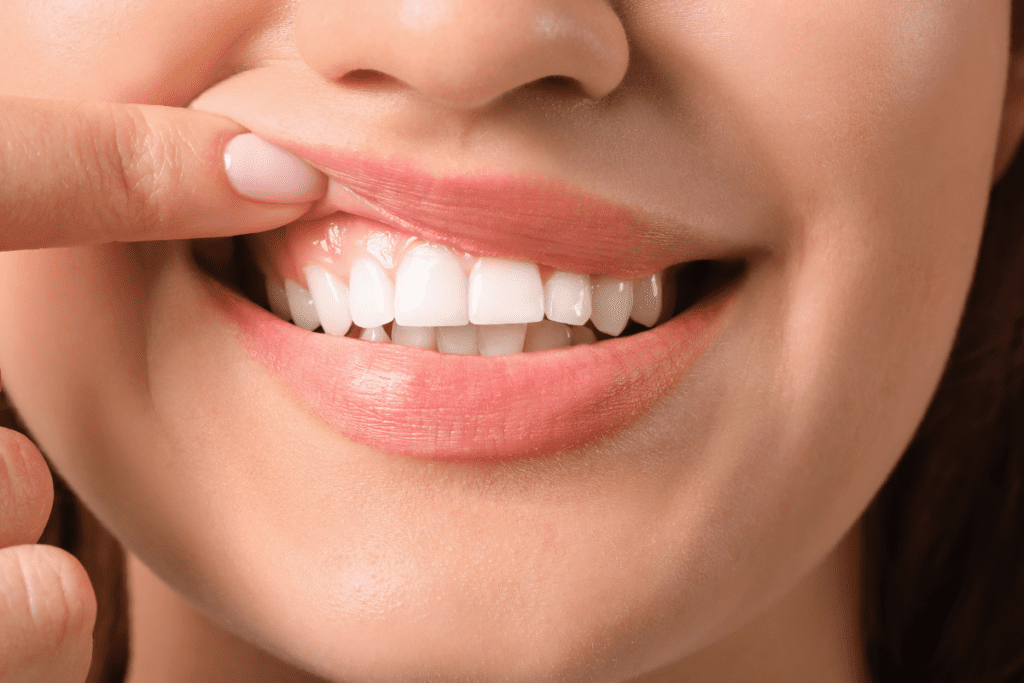
Gingival Graft Recovery Timeline: Stage by Stage
First 24–48 Hours
- Numbness wears off gradually
- Mild bleeding or spotting may occur
- Swelling begins
- Rest is recommended
- Cold compresses can help reduce swelling
Days 3–7
- Tenderness may peak then begin to reduce
- Graft appears pale or slightly white (often normal)
- Soft diet is essential
- Avoid brushing directly on the graft site
Week 2
- Discomfort significantly reduces
- Sutures may be removed if needed
- Tissue begins to stabilise
- Patients often resume more normal routines
Weeks 3–6
- Gum tissue strengthens
- Colour begins blending with surrounding gums
- Sensitivity gradually improves
After 2–3 Months
- Graft fully integrates
- Final appearance becomes more natural
- Long-term benefits become noticeable
Pain and Swelling During Gingival Graft Recovery
One of the most searched topics around gingival graft recovery is pain. In reality, most patients describe the discomfort as manageable and short-lived.
Inflammation and tenderness usually peak within the first few days and then decline. Appropriate pain relief, protective dressings, and careful surgical technique all help keep discomfort controlled. Cold compresses during the first day and a soft diet can make a noticeable difference.
Pain that worsens instead of improving, or swelling that increases after several days, should always be checked, as this may indicate irritation or infection.
Eating and Drinking Post Gingival Graft Surgery
Food choices directly affect comfort and graft protection. In the early recovery phase, the goal is to avoid mechanical trauma and temperature extremes that could disturb healing tissue.
Soft, cool or lukewarm foods are usually best for the first one to two weeks. Patients generally do well with foods such as yogurt, eggs, soft pasta, mashed vegetables, and smoothies that are not acidic. Crunchy, spicy, or very hot foods should be avoided because they can irritate the graft or dislodge protective clots.
As healing progresses and your dentist confirms stability, your diet can gradually return to normal. Many patients resume broader food choices after a couple of weeks, although caution with very hard foods is still advised initially.

How to Support Faster Gingival Graft Healing
Successful gingival graft recovery depends heavily on following aftercare instructions closely. Gentle yet thorough cleaning of the rest of the mouth helps control bacteria while protecting the graft site. Special rinses may be recommended to keep the area clean without brushing.
Physical strain and vigorous exercise are usually limited in the early days because increased blood pressure can trigger bleeding or swelling. Smoking and vaping significantly slow healing and increase complication risk, so avoiding them is strongly advised.
Good sleep, hydration, and balanced nutrition support tissue repair more than many patients realise. Small supportive habits often make a measurable difference in recovery quality.
Do Different Gum Graft Types Change Recovery?
Yes, the gingival graft recovery experience can vary depending on the technique used.
- Connective tissue grafts are most commonly performed and tend to offer predictable healing with moderate soreness.
- Free gingival grafts may produce more surface discomfort at the donor site.
- When donor tissue is used instead of taking tissue from the palate, patients often report greater comfort because there is no additional surgical site.
Your dental surgeon will recommend the graft type that best balances clinical success and recovery comfort for your specific case.
Cleaning Advice
Successful oral surgery depends on maintaining a clean mouth. We advise you to start using the mouthwash you have been given 24 hours after your surgery and continue for 1 week. This is very important.
Gently bathe the surgical site by holding approximately 15ml over the site (the equivalent of half a capful) for at least 1 minute, 3 times a day for 7 days.
You should also start cleaning your other teeth as normal with a toothbrush, starting on the evening of your surgery. Avoid the surgical site until you see the dentist for your suture removal appointment, roughly a week after surgery.
Warm salty mouthwash (a cup of lukewarm water with a teaspoon of salt) is very beneficial for healing in the first week (but it tastes awful!). You can start salty mouthwash 24 hours after surgery.
Try to keep food away from the surgical area for as long as possible. Rinse the area following eating to keep it clean.
You are advised not to smoke until the wound has healed, as this severely limits healing in the mouth.
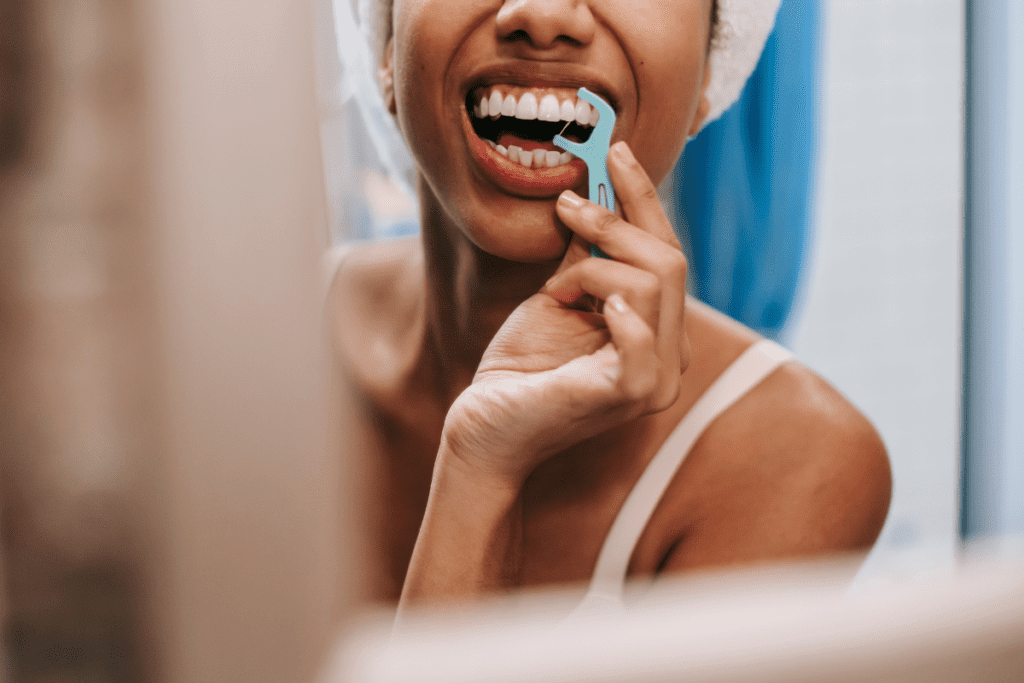
Signs of Healthy Gingival Graft Recovery
Healing grafts typically remain stable and immobile, with swelling that gradually reduces rather than increases. Colour changes during early healing are common and not necessarily a problem. Over time, the tissue should look more natural and feel firmer.
Warning signs that require review include persistent heavy bleeding, increasing pain, unusual discharge, or a graft that appears to be shifting. Early assessment allows quick intervention if needed and protects the final result.
Common Questions About Gingival Graft Recovery
Patients frequently ask us how soon they can return to work, when they can brush normally again, and whether the graft will look natural. Below you can find the answers!
- How long does gingival graft recovery take? Most visible healing occurs within 2–3 weeks, with full integration over several months.
- Can I brush my teeth after a gum graft? Yes — but avoid the graft site until your dentist advises it is safe.
- When can I return to work? Many patients return within 1–3 days, depending on comfort and job type.
- Will the graft look natural? Yes. As healing progresses, the graft typically blends well with the surrounding gum tissue.
- Can a gum graft fail during recovery? Failure is uncommon when aftercare instructions are followed and reviews are attended.

How Pure Dental Supports Gingival Graft Recovery
At Pure Dental, gingival graft treatment is delivered with a strong focus on recovery quality as well as surgical precision. Patients receive clear, personalised aftercare instructions, appropriate protective measures, and scheduled follow-up visits to monitor healing progress. This structured approach helps reduce complications, improve comfort, and support long-term stability of the graft.
Early guidance, modern techniques, and close supervision together make gingival graft recovery more predictable and reassuring for patients.
Ready to Protect Your Smile?
If you’re experiencing gum recession or have been advised to consider a gingival graft, Pure Dental is here to guide you every step of the way. Book a consultation today to discuss your options and take the first step toward healthier, stronger gums. With Pure Dental, you’re in safe hands from surgery through recovery — so you can enjoy a confident, long-lasting smile.
Get 50% off your first dental appointment
If you’re a new patient, book an initial dental check-up to start your journey to better teeth and oral health.
Speak to a treatment advisor in person:
Book your FREE consultationFrequently Asked Questions
How long does it take to recover from gum graft surgery?
Most patients notice initial healing within 1–2 weeks, with full recovery and tissue integration taking up to 2–3 months.
How much does a full mouth gum graft cost?
Costs vary depending on the number of grafts needed, type of procedure, and clinic. Your dentist can provide a personalised estimate during a consultation.
How serious is gum graft surgery?
Gum graft surgery is a routine and safe procedure when performed by an experienced dentist, with minimal risk and a high success rate.
How painful is gum grafting surgery?
Discomfort is generally mild and temporary. Most patients manage soreness with prescribed pain relief and following aftercare instructions.
How long do gums take to heal after a gum graft?
Surface healing usually takes 1–2 weeks, while full healing and tissue integration can take 6–12 weeks.
How to stimulate gum regrowth?
Good oral hygiene, regular dental check-ups, avoiding smoking, and following your dentist’s aftercare instructions all support healthy gum regeneration.
What can you not do after a gum graft?
Avoid brushing the graft site, eating hard or crunchy foods, smoking, strenuous exercise, and touching the area with fingers or tongue during early recovery.
What is the most painful day after a gum graft?
Pain typically peaks around day 2 or 3 after surgery and gradually decreases over the following days.