If you’re searching for how to get over fear of dentist, you’ve already taken the most important step. Dental anxiety is one of the most common reasons people avoid dental care, and we understand how isolating it can feel. But with the right support, compassionate guidance, and proven strategies, you can overcome your fear of the dentist and reclaim not just your smile, but your confidence too.
At Pure Dental, we’ve helped countless anxious patients move from avoidance to trust, and we know it’s possible for you, too. In this guide, we’ll walk you through the root causes of dental fear, practical techniques you can use immediately, and how to find the right dentist who truly understands what you’re going through.
How to Get Over Fear of the Dentist (Quick Answer)
Dental anxiety is highly treatable through a combination of identifying your specific triggers, finding a dentist who specialises in anxious patients, and using proven comfort techniques like relaxation exercises, distraction, or sedation dentistry. By taking small, manageable steps, you can gradually build confidence and break the avoidance cycle. With the right support, most people successfully overcome dental fear and get the healthy smile and peace of mind they deserve.
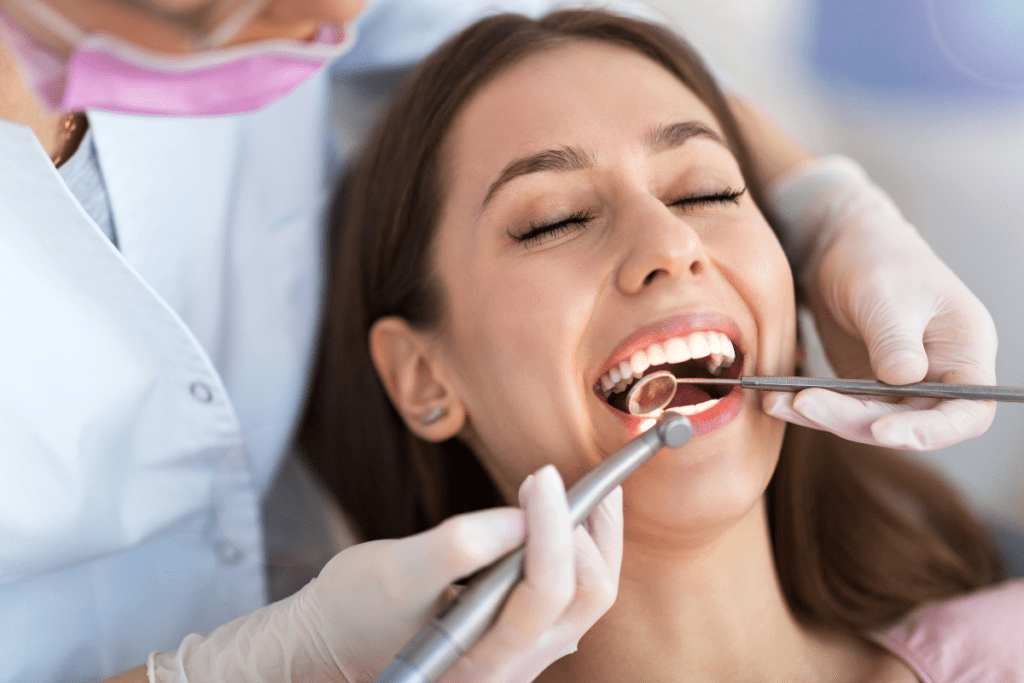
Why Do So Many People Fear the Dentist?
Dental anxiety affects up to 36% of adults, so you’re far from alone. Understanding what’s driving your fear of the dentist is the first step to overcoming it. Here are the most common causes:
Fear of Pain and Needles
The sound of the drill, the anticipation of injections, and childhood memories of discomfort create a fear association that can persist for decades. Even though modern dentistry is far less painful than it was years ago, the psychological expectation of pain often triggers anxiety before treatment even begins.
Past Negative or Traumatic Dental Experiences
A previous painful appointment or a dentist who was dismissive of your concerns can leave lasting emotional scars. These memories become deeply embedded, making it difficult to trust dental environments even when they’re genuinely different now.
Loss of Control During Dental Treatment
Being reclined in a chair with instruments in your mouth creates a sense of helplessness that many find deeply uncomfortable. You can’t speak and have to depend entirely on another person – and for anxious people, this vulnerability triggers a fear response that’s a challenge to override.
Embarrassment or Shame About Oral Health
If you haven’t visited a dentist in years, shame often follows. You may fear judgment about the state of your teeth, worried the dentist will lecture you or think less of you. This shame keeps you away even longer, creating a painful cycle.
Dental Anxiety vs. Dental Phobia
Understanding which applies to you helps determine whether relaxation techniques alone will help or whether you’d benefit from sedation or professional support.
- Dental anxiety: You feel nervous or worried about dental visits, but you can still book and attend appointments – though it requires effort and may involve physical symptoms like sweating or a racing heart.
- Dental phobia: With a dental phobia, your fear is so severe and persistent that it prevents you from seeking dental care altogether. You may experience panic attacks at the thought of an appointment, and avoidance feels like the only option.
From your first conversation with us to the completion of your treatment with Pure Dental, our priority is your comfort and confidence. No matter your level of dental anxiety disorder, we tailor every aspect of our care to make your dental journey as gentle, calm, and stress-free as possible.
How to Get Over Fear of the Dentist: 7 Proven Steps
1. Identify Your Specific Dental Fear Triggers
Generic anxiety is harder to overcome than specific fears. Ask yourself: Is it the sounds, smells, or sensations that frighten you? Are you afraid of pain, judgment, or loss of control? Did a specific experience trigger this fear? Writing down your triggers helps you communicate them clearly to your dentist, who can then address them directly and adjust their approach accordingly.
2. Choose a Dentist Who Specialises in Anxious and Nervous Patients
Not all dentists are trained to handle dental phobias. Look for a dental practice that explicitly mentions anxiety management or dental sedation, offers patient testimonials from people who’ve overcome dental fear, and provides a free consultation so you can meet the team without pressure. A dentist experienced with anxious patients will understand your concerns and adapt their communication style accordingly.
3. Talk Openly With Your Dentist Before the Appointment
Communication removes uncertainty and builds trust. Tell your dentist your specific fears and what comfort measures help you (headphones, hand signals to pause, a comfort item). Explain your preferred pace for treatment and whether you’d like breaks during longer appointments. The right dentist listens without judgment and will adjust their approach based on your needs.
4. Start With a Non-Treatment or Consultation Visit
Your first appointment doesn’t need to involve any clinical work. Instead, meet the dentist and hygienist in a low-pressure setting, tour the treatment room to familiarise yourself with the environment, discuss your fears and goals openly, and build a trusting relationship. This gradual approach builds confidence without overwhelming you.
5. Use Relaxation Techniques Before and During Your Appointment
Bring calming tools to reduce anxiety during your visit. Practice box breathing (breathe in for 4 counts, hold for 4, exhale for 4, hold for 4) or progressive muscle relaxation beforehand. During the appointment, use noise-cancelling headphones with music or guided meditation, bring a stress ball or comfort object to hold, or use the 4-7-8 breathing technique (inhale 4, hold 7, exhale 8). These techniques give you a sense of control and keep your mind focused elsewhere.
6. Ask About Pain-Management and Comfort Options
Modern dentistry offers multiple comfort solutions for anxious patients. Request numbing agents to ensure you won’t feel pain, ask about nitrous oxide (laughing gas) to help you relax, or discuss sedation dentistry for severe anxiety. Oral or IV sedation can make treatment painless and anxiety-free. Agree on hand signals with your dentist to pause treatment if you need a break. Many anxious patients find that sedation removes anxiety entirely.
7. Use Gradual Exposure to Build Confidence Over Time
Confidence grows with each successful appointment. Start small with a consultation-only visit, progress to a simple cleaning, then move to basic dental procedures like a tooth filling, and gradually work toward more complex advanced treatments as your confidence builds. Each positive experience rewires your brain’s fear response, making future appointments easier and less anxiety-provoking.
Effective Techniques to Reduce Dental Anxiety
We are proud of our reputation in Cornwall for creating a supportive environment where you never feel rushed or pressured – every decision and step is taken at your own pace. Some of these techniques to overcome fear of the dentist have helped our clients, and will help you too.
Breathing and Relaxation Exercises
Before your appointment, practice box breathing to activate your body’s natural calming response. Continue these breathing exercises during your appointment to manage anxiety in real-time.
Distraction Techniques (Music, Audiobooks, Guided Audio)
Bring noise-cancelling headphones and listen to your favourite music, audiobooks, or guided meditations during treatment. Engaging your mind elsewhere prevents it from focusing on the dental environment.
Cognitive Behavioural Therapy (CBT) for Dental Fear
CBT reframes anxious thoughts, replacing “this will hurt” with “I’m numbed and safe,” or “I’ve lost control” with “I can pause anytime with a hand signal.” A therapist specialising in dental anxiety can teach you these techniques before your appointment.
Sedation Dentistry: When It May Be Helpful
For moderate to severe anxiety, sedation options like nitrous oxide, oral sedation, or IV sedation remove fear entirely, allowing you to get necessary treatment while completely comfortable. Sedation is safe, reversible, and monitored throughout by our highly-skilled trained professionals.

Is Fear of the Dentist Common?
How Many Adults Experience Dental Anxiety?
You’re absolutely not alone. Dental anxiety is one of the most common phobias, affecting millions of people worldwide and is more common than the fear of flying or public speaking. Dental phobia (also called dentophobia or odontophobia) is recognised as a formal anxiety disorder in the World Health Organisation’s ICD‑10/ICD‑11.
Research shows that over a third of adults experience some level of dental anxiety, and approximately 12% experience severe dental phobia that prevents them from seeking care altogether.
If you’re struggling with dental anxiety, you’re part of a significant population – and that means proven solutions exist.
Why Avoiding the Dentist Can Make Fear Worse
Avoidance strengthens fear rather than diminishing it.
The longer you stay away from dental care, the worse your dental problems become. This escalation increases your anxiety about what you’ll face when you finally do go. Prolonged avoidance can deepen shame and embarrassment, making it psychologically harder to book an appointment.
The fear cycle becomes self-reinforcing: you avoid → your teeth worsen → you feel more ashamed → you avoid longer. Breaking this cycle is essential, and it starts with taking one small step forward.

What to Do If You Haven’t Been to the Dentist in Years
Many anxious patients fall into a gap of years without dental care – this is far more common than you think, and it doesn’t define you. The good news is that returning is possible, and our dental team are fully equipped to help you move forward from exactly where you are now.
How to Book a First Appointment Without Pressure
Be honest with us about your gap in care- we’ll adjust expectations and won’t judge. Ask specifically for a consultation-only appointment with no treatment on the first visit, so you can meet the team and discuss your concerns without clinical work. Request extra time for your appointment to avoid feeling rushed.
Here at Pure Dental, we offer free consultation appointments specifically for anxious patients returning after years away. This removes pressure entirely and lets you build comfort at your own pace.
What to Expect at a First Visit After Avoidance
Your first appointment will typically include a visual examination where the dentist assesses your teeth without instruments, possibly X-rays to identify any issues, and an honest, non-judgmental discussion of your current oral health.
The dentist will present a personalised treatment plan with options, timelines, and pricing so you understand what’s involved.
Your job is simply to show up and listen – there’s no expectation of immediate treatment or commitment.
How Dentists Handle Long Gaps in Dental Care
Professional dentists understand that life happens and don’t shame or lecture patients about missed appointments. They focus entirely on your present and future oral health, not what happened in the past.
We’ll break treatment into manageable stages so you’re not overwhelmed, adjust our approach based on your anxiety level, and celebrate your courage in returning to care.
Returning after years of avoidance is actually a sign of real strength, and we recognise that completely.

When to Seek Professional Help for Dental Fear
While self-help strategies and a compassionate dentist can resolve most dental anxiety, some people with dental phobias benefit from professional mental health support to address deeper anxiety or phobia patterns.
Signs Your Dental Fear May Be a Phobia
Consider seeking professional support if you experience panic or physical symptoms (trembling, sweating, racing heart) at the thought of a dental appointment.
If anxiety prevents you from booking or attending appointments, or if thinking about the dentist causes significant distress that impacts your daily life, then it’s likely that your fear of the dentist has crossed from anxiety into phobia territory, and a therapist trained in anxiety disorders can provide specialised help.
How Mental Health Professionals Can Help With Dental Anxiety
Therapists specialising in anxiety disorders can teach you cognitive behavioural therapy (CBT) techniques to reframe anxious thoughts, and exposure therapy to gradually face your fears in a controlled, safe environment. They will suggest personalised coping strategies specific to your triggers. A few targeted therapy sessions can make a meaningful difference and help you to overcome fear of the dentist, often working alongside your dentist to create a comprehensive support system.

Key Takeaways for Overcoming Fear of the Dentist
Dental fear is common, legitimate, and entirely treatable – you don’t have to choose between your anxiety and your oral health.
Communication with your dentist is powerful and helps remove uncertainty. Modern comfort options are available for every level of dental anxiety, and it’s never too late to return to dental care after years of avoidance.
At Pure Dental, we pride ourselves on creating beautiful smiles and delivering an exceptional service, increasing confidence, happiness, and health. We’ve supported countless anxious patients on their journey, and we know that with the right support and compassionate guidance, you can overcome your fear and reclaim not just your smile but your peace of mind, too.
Whether it’s booking a consultation, talking to a therapist, or simply reading this guide on how to overcome dental fear, taking the first step shows you’re ready to move forward. Your oral health and your wellbeing are worth it.
Ready to start your journey? Book a FREE treatment advisor consultation with Pure Dental today. No pressure, no judgement – just a conversation with someone who truly understands. We can’t wait to welcome you.

Frequently Asked Questions About How to Overcome Fear of Dentist
Can dental anxiety be cured?
Most people don’t “cure” dental anxiety entirely, but they manage it successfully with the right support, dentist, and repeated positive experiences. Anxiety often decreases significantly over time, and many people eventually feel comfortable with dental visits.
Are There Dentists Who Treat Patients With Severe Fear?
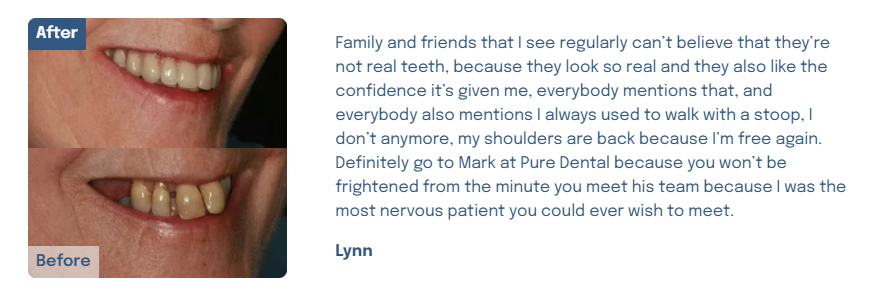
Yes. Look for dentists who explicitly advertise anxiety management or sedation dentistry, have patient testimonials from anxious patients, and offer free consultations. Pure Dental specialises in helping severely anxious patients with trained staff and sedation options.
Is Sedation Safe for Dental Anxiety?
Yes, when administered by a trained professional. Sedation dentistry has been used safely for decades, with the dentist monitoring your vital signs throughout and using the appropriate sedation level for your needs.
How Long Does It Take to Get Over Fear of the Dentist?
This varies – some people feel confident after one positive appointment, while others need 3-6 visits to build trust. Consistency matters; regular appointments reinforce that dental visits are safe, making each subsequent visit easier.
Should I Tell the Dentist I’m Afraid?
Absolutely. Dentists need to know so they can adjust their communication, use comfort measures, allocate extra time, offer sedation if appropriate, and provide reassurance. Honesty creates a partnership where your dentist can actually help.
How do you calm down dental anxiety?
Use breathing exercises (box breathing or 4-7-8 technique), distraction techniques (music, audiobooks, guided meditation), progressive muscle relaxation, and communicate your comfort needs to your dentist. For severe anxiety, sedation dentistry is highly effective.
How do I get over my fear of dentists?
Identify your specific triggers, find a dentist who specialises in anxious patients, such as Pure Dental, communicate openly about your fears, start with a consultation-only visit, use relaxation techniques, and build confidence through gradual exposure with each appointment.
Is it normal to be scared to go to the dentist?
Yes -36% of adults experience dental anxiety, and 12% experience severe dental phobia. Dental fear is one of the most common phobias and is completely normal and treatable.
Is dental anxiety a mental illness?
Dental anxiety is recognised as a legitimate anxiety disorder by mental health organisations like the ADAA, but it’s not a character flaw or weakness. It’s a treatable condition that responds well to therapy, support, and the right dental care.