Bad breath affects most of us at some point – but the good news is that it’s almost always treatable. Whether you wake up with morning breath or struggle with persistent odours, this guide covers everything you need to know about how to get rid of bad breath for good.
Bad breath, known medically as halitosis, is one of the most common reasons people seek dental advice. It can knock your confidence, affect your relationships, and leave you feeling self-conscious in social situations – but the cause is usually straightforward, and so is the fix.
In this guide, the team at Pure Dental in Truro walk you through the most effective, evidence-based ways to banish bad breath – from the daily habits that make the biggest difference, to the less obvious triggers you might not have considered.
What Causes Bad Breath?
Before you can tackle bad breath effectively, it helps to understand where it comes from. The good news is that around 90% of cases originate in the mouth and throat, which means most bad breath is preventable with the right oral hygiene habits.
The Most Common Oral Causes
The primary culprit is bacteria. Your mouth contains millions of bacteria that break down food particles left on your teeth, gums, and tongue. As they do so, they release volatile sulphur compounds (VSCs) – the gases responsible for that unpleasant smell.
Common oral triggers include:
- Food debris and plaque – particles left on or between teeth that bacteria feed on
- A coated tongue – the tongue’s surface traps dead cells, bacteria, and food residue in its tiny grooves and papillae
- Gum disease (periodontal disease) – creates pockets where bacteria accumulate and produce particularly strong odours
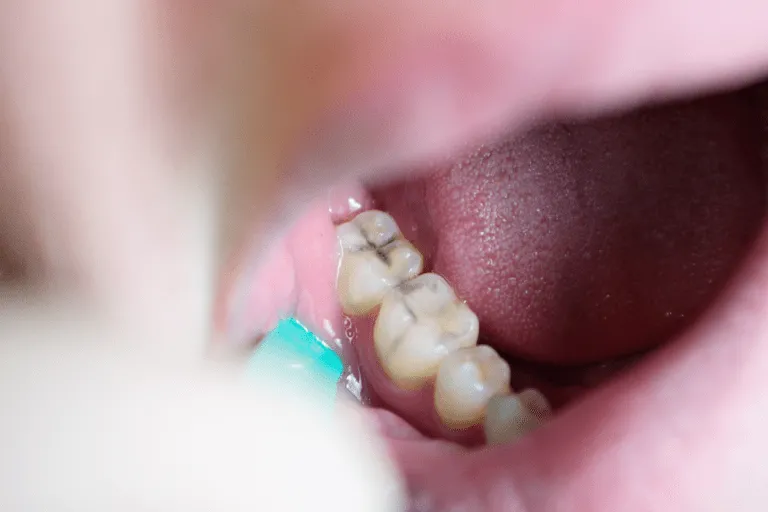
- Tooth decay – cavities can harbour bacteria and cause unpleasant smells
- Dry mouth (xerostomia) – saliva is your mouth’s natural cleanser; without enough of it, bacteria thrive
- Dentures or dental appliances – these can trap food if not cleaned thoroughly

Less Obvious Medical and Lifestyle Causes of Bad Breath
If your bad breath persists despite good oral hygiene, it may have a non-dental origin. Less common causes include:
- Tonsil stones – small calcium deposits that form in the crevices of the tonsils and produce a strong sulphurous smell
- Acid reflux (GERD) – stomach acid rising into the oesophagus can cause a sour, unpleasant odour on the breath
- Sinusitis or nasal infections – mucus dripping into the throat can cause bad breath
- Certain medications – some drugs reduce saliva production as a side effect
- Crash dieting or low-carb diets – the body produces ketones when burning fat, which can create a fruity or acetone-like smell on the breath
- Diabetes – uncontrolled diabetes can cause a sweet, fruity odour
- Liver or kidney conditions – these can occasionally manifest as breath odour in more serious cases
If you suspect your bad breath has a medical cause, it’s worth speaking with your GP as well as your dentist.

How to Get Rid of Bad Breath: 8 Proven Tips
The following tips are recommended by the dental team at Pure Dental and are evidence-based. Most bad breath responds well to changes in daily habits, so even if you’ve struggled for years, these steps can make a real difference.
1. Clean Between Your Teeth Every Day
Brushing alone cleans only about 60% of your tooth surfaces. The spaces between your teeth are prime breeding grounds for the bacteria that cause bad breath, and a toothbrush simply can’t reach them. Use interdental brushes or dental floss once a day, ideally before bed, to remove food debris and plaque from between your teeth and along the gumline. This single habit can significantly impact your breath.
2. Switch to an Electric Toothbrush
Not all toothbrushes are created equal. Research consistently shows that electric toothbrushes are more effective at removing plaque than manual brushing alone.
Brush for a full two minutes, twice a day, with fluoride toothpaste. Take care to clean along the gumline, where plaque accumulates most readily. If you’re unsure which electric toothbrush to choose, read our guide: Is an Electric Toothbrush Better Than a Manual Toothbrush?
3. Brush Your Tongue – or Use a Tongue Scraper
Your tongue is one of the biggest contributors to bad breath, and it’s one of the most frequently overlooked. The surface of the tongue is covered in tiny projections (papillae) that act like Velcro, trapping dead cells, bacteria, and food debris in a layer of biofilm.
Simply brushing the back of your tongue with your toothbrush while you clean your teeth can help — but for best results, use a tongue scraper.
4. Use an Alcohol-Free Mouthwash
Mouthwash can be a useful addition to your routine – but choose wisely. Many over-the-counter mouthwashes contain alcohol, which may leave your mouth feeling temporarily fresh but actually dries it out, reducing saliva and creating the conditions bacteria love. Opt for an alcohol-free mouthwash with antibacterial properties. Look for formulations containing zinc, chlorhexidine, or chlorine dioxide, which have been shown to tackle the sulphur compounds that cause bad breath. Mouthwash should supplement your routine, not replace brushing and flossing.
DIY option: Mix one teaspoon of baking soda in a glass of warm water with a few drops of peppermint oil. Baking soda is mildly antibacterial and helps neutralise acids in the mouth.
5. Chew Xylitol Gum
Sugar-free chewing gum does two things that help with bad breath: it stimulates saliva production (your mouth’s natural bacteria-flushing mechanism), and if it’s sweetened with xylitol, it adds a genuinely antibacterial benefit.
Xylitolis a naturally occurring sugar alcohol that inhibits the growth of Streptococcus mutans, one of the key bacteria involved in both tooth decay and bad breath. Chew a piece after meals when brushing isn’t possible – it’s a simple, effective on-the-go solution.
No gum to hand? Try chewing fresh mint or parsley leaves. Both act as natural breath fresheners, and the chlorophyll in parsley helps neutralise sulphur compounds.
6. Drink More Water
Dehydration is one of the most overlooked causes of bad breath. Saliva is your mouth’s primary defence against bacteria, and when your body isn’t properly hydrated, saliva production drops. Aim to drink six to eight glasses of water a day. Sip water after meals and between coffee or alcohol drinks to help flush food particles and bacteria from your mouth before they can break down and cause odours.
What to avoid: Alcohol and coffee both have a drying effect on the mouth, which contributes to bad breath. Citric acid and fizzy drinks are acidic and can erode tooth enamel, creating more surface area for bacteria to colonise. As always, moderation is key.
7. Quit Smoking
Tobacco is one of the most significant contributors to persistent bad breath, and one of the hardest to address without tackling the root cause. Cigarettes not only leave a lingering tobacco smell, but nicotine also constricts blood vessels and impairs saliva flow, leaving the mouth dry and providing an ideal environment for bacteria. Smoking also significantly increases your risk of gum disease, which is itself a major cause of bad breath.
If you’re ready to quit, your GP can provide support and smoking cessation resources. The NHS Stop Smoking service offers free, evidence-based support.
8. Visit Your Dental Hygienist Regularly
Even the most diligent brusher will accumulate some tartar (hardened plaque) over time, and tartar cannot be removed at home. It harbours bacteria, contributes to gum disease, and is a reliable source of persistent bad breath. A professional clean from a dental hygienist removes tartar, polishes the teeth, and helps you identify any areas where your technique could improve. Most people benefit from a hygienist appointment every six to twelve months. Regular dental check-ups are equally important – your dentist can spot early signs of gum disease, tooth decay, and other issues that may be contributing to your bad breath before they worsen.

What Foods Cause Bad Breath?
Certain foods are well-known offenders – but the reason goes beyond the obvious. When you eat foods like garlic or onions, the aromatic compounds they contain are absorbed into your bloodstream and carried to your lungs, where they’re released with each breath. Brushing helps, but the smell won’t fully disappear until those compounds have cleared your system.
Foods most associated with bad breath:
- Garlic and onions are high in sulphur compounds that enter the bloodstream
- Spicy foods can linger on the breath and cause acid reflux, which adds to odour
- Dairy products; proteins in dairy are metabolised by oral bacteria to produce VSCs
- Coffee and alcohol both dehydrate the mouth and reduce saliva flow
- High-sugar foods and drinks feed the bacteria responsible for both cavities and odour
- Low-carbohydrate or crash diets trigger ketosis, which produces a distinctive breath odour
Breath-friendly alternatives to build into your diet:
- Crunchy fruit and vegetables (apples, carrots, celery) – the mechanical action of chewing helps clean teeth and stimulates saliva
- Dark leafy greens and fresh herbs – naturally deodorise and provide chlorophyll
- Probiotics (yoghurt, kefir, fermented foods) – support healthy gut bacteria and reduce digestive gases that can contribute to breath odour
- Green tea – contains polyphenols that inhibit bacterial growth in the mouth

Quick Fixes for Bad Breath in a Hurry
Sometimes you need fresher breath fast. While these tips don’t address underlying causes, they’ll get you through a meeting, date, or presentation:
- Chew a piece of sugar-free xylitol gum
- Drink a large glass of water
- Rinse with an alcohol-free mouthwash
- Chew fresh mint, parsley, or coriander leaves
- Use a breath-freshening spray (sugar-free)
- Pop a sugar-free mint
Avoid mints or gums that contain sugar as they provide short-term relief but feed the bacteria that cause bad breath in the first place.
When Should You See a Dentist About Bad Breath?
Most bad breath improves significantly with better oral hygiene. But there are situations where professional assessment is important.
Book a dental appointment if:
- Your bad breath persists despite consistently good oral hygiene
- You notice bleeding, swollen, or receding gums – these are signs of gum disease that needs treatment
- You have a persistent bad taste in your mouth
- You can see or feel pockets of infection around a tooth
- Your bad breath is accompanied by a toothache or tooth sensitivity
- You suspect a medical cause, such as acid reflux, sinusitis, or diabetes
One thing worth knowing: we become accustomed to our own smell, which means you may not be the best judge of your own breath. If someone close to you has mentioned it, or if you’re simply not sure, don’t hesitate to bring it up at your next dental appointment. It’s one of the most common things we discuss, and there’s no need to feel embarrassed.
Book an appointment at Pure Dental in Truro
Maintaining Good Oral Health for the Long Term
Bad breath is often a symptom of a broader issue with your oral health. Looking after your teeth and gums consistently is the most reliable way to keep your breath fresh – and to protect your dental health for years to come.
For a comprehensive overview of best practices, read our Complete Guide to Maintaining Good Oral Health.
Bad Breath – FAQs
Why do I have bad breath even though I brush my teeth?
Brushing alone cleans around 60% of your tooth surfaces. If you’re not flossing, cleaning your tongue, and staying well hydrated, bacteria can still accumulate between your teeth, on your tongue, and in your gums. If your breath remains an issue despite thorough brushing, consider whether dry mouth, gum disease, or a medical condition such as acid reflux or tonsil stones could be contributing.
Why is my breath bad in the morning?
Morning breath is normal and almost universal. Saliva production slows significantly during sleep, and without saliva to flush away bacteria and food particles, bacterial activity increases overnight. Brushing your teeth before bed (and after breakfast) makes a big difference, as does staying hydrated throughout the day.
Can bad breath be a sign of something serious?
In most cases, bad breath has a simple oral hygiene cause. However, persistent bad breath that doesn’t respond to improved oral hygiene is worth investigating. It can occasionally be linked to gum disease, tooth decay, tonsil stones, acid reflux, sinusitis, or (more rarely) conditions affecting the liver, kidneys, or blood sugar levels. Your dentist is a good first port of call and can help determine whether a GP referral is appropriate.
Does mouthwash get rid of bad breath?
Mouthwash can help reduce bacteria and temporarily freshen breath, but it doesn’t tackle the underlying causes of bad breath on its own. Think of it as a supplement to thorough brushing, flossing, and tongue cleaning – not a replacement. Alcohol-free formulations are preferable, as alcohol can dry out the mouth and make bad breath worse over time.
How quickly can I get rid of bad breath?
For bad breath caused by food or temporary dehydration, results are immediate – drink water, chew some gum, and the smell typically clears within an hour. For persistent bad breath caused by poor oral hygiene habits, you may notice a significant improvement within one to two weeks of consistently following the tips in this guide. Underlying issues like gum disease will require professional treatment and take longer to resolve.
Can diet cause bad breath?
Yes. Foods like garlic, onions, coffee, and alcohol are well-known breath offenders. A high-protein, low-carbohydrate diet can cause ketosis, which produces a distinctive fruity or acetone-like odour. Eating plenty of water-rich fruit and vegetables, reducing sugar intake, and staying hydrated all support fresher breath.
Is bad breath contagious?
No. Bad breath is caused by bacteria that are already naturally present in your mouth, not by anything that can be passed from person to person.
How can I smell if I have bad breath?
It’s surprisingly difficult to detect your own bad breath – we naturally become desensitised to our own odours. A few methods that can help: lick the inside of your wrist, let it dry for a few seconds, and smell it; scrape the back of your tongue with a spoon and smell that; or simply ask someone you trust. If you’re in any doubt, bring it up at your next dental appointment.
How do you get rid of bad breath quickly?
The fastest fixes are drinking a large glass of water, chewing sugar-free xylitol gum, or rinsing with an alcohol-free mouthwash. Chewing fresh mint or parsley leaves also works well in a pinch. These won’t address the underlying cause, but they’ll freshen your breath within minutes.
When should I see a dentist about bad breath?
If your bad breath persists despite following good oral hygiene practices for several weeks, it’s worth booking a dental check-up. You should also see a dentist promptly if you have bleeding or swollen gums, toothache, or any signs of infection. Book an appointment at Pure Dental.
What are the 5 causes of halitosis?
The most common causes are: (1) poor oral hygiene allowing bacteria to accumulate on teeth, gums, and tongue; (2) gum disease, which creates pockets where odour-producing bacteria thrive; (3) dry mouth, which reduces the saliva that naturally flushes bacteria away; (4) strong-smelling foods such as garlic, onions, and coffee; and (5) smoking, which dries the mouth and significantly increases the risk of gum disease.