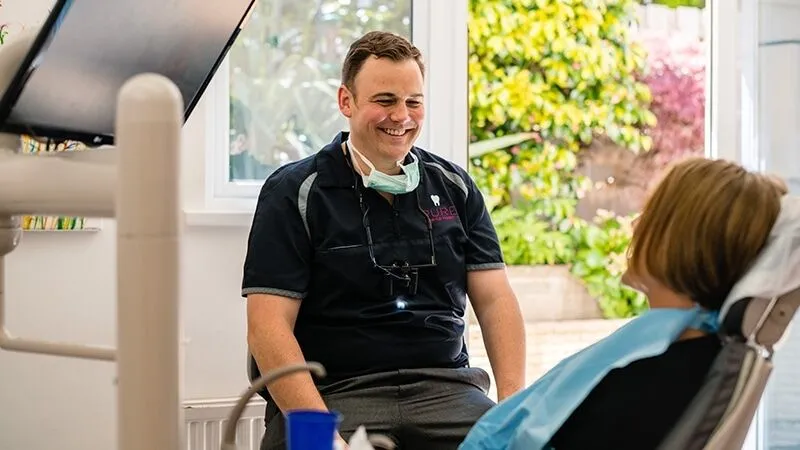
Periodontal surgery is an advanced dental treatment used to manage gum disease when non-surgical treatments (such as scaling and root planing), are no longer sufficient. At Pure Dental in Truro, Cornwall, our focus is on restoring gum health, protecting your teeth, and supporting your long-term oral well-being in a comfortable and caring environment. Find out what to expect from Periodontal surgery here in our comprehensive guide.
Table of Contents
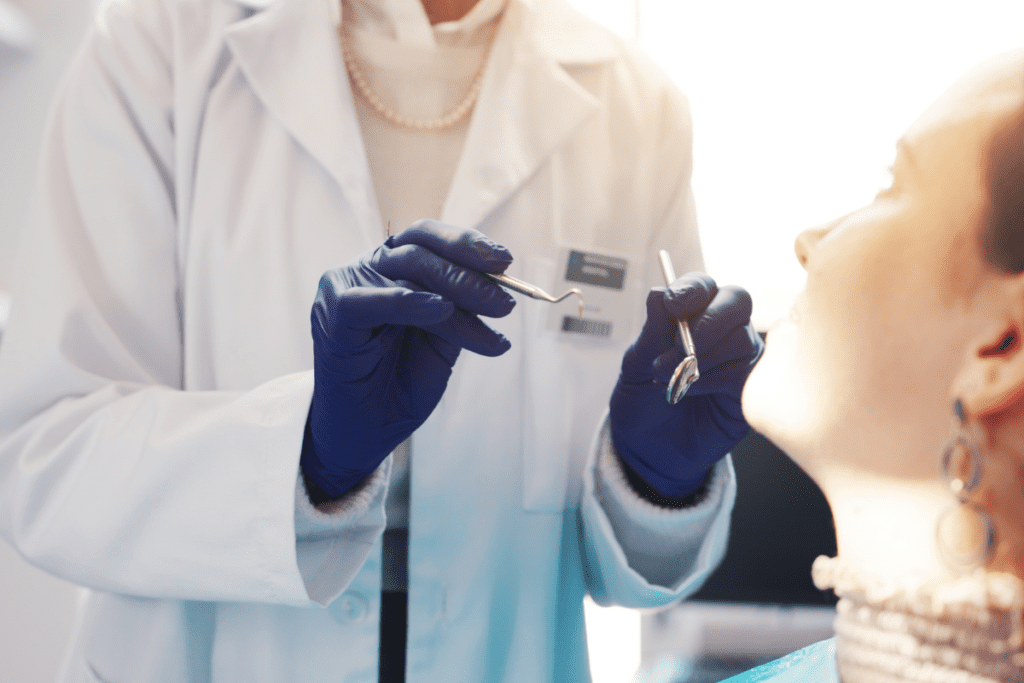
What Is Periodontal Surgery?
Periodontal surgery is carried out to treat advanced gum disease, where infection has damaged the supporting structures around the teeth. The aim is to reduce gum inflammation, remove harmful bacteria, and create an environment that is easier to keep clean at home.
When Is Periodontal Surgery Needed?
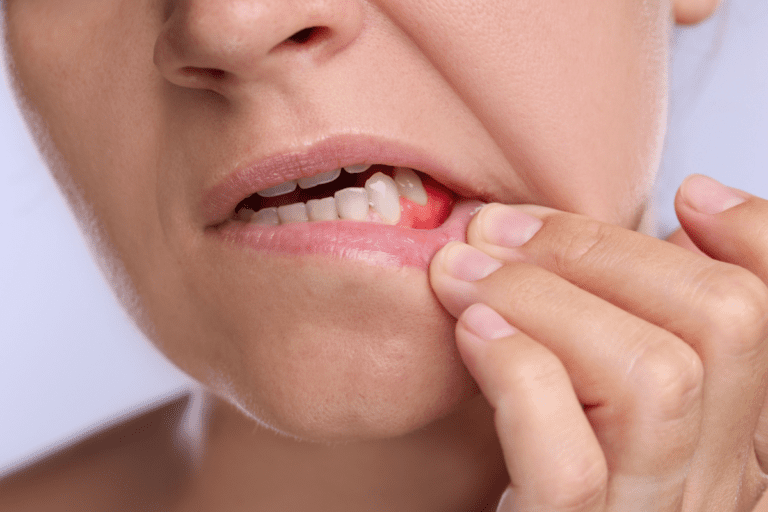
You may be advised to have Periodontal treatment surgery if you experience:
- Persistent gum inflammation or bleeding
- Deep periodontal pockets around the teeth
- Gum recession or loose teeth
- Bone loss caused by advanced gum disease
If left untreated, periodontitis can eventually lead to tooth loss and impact your overall health.
Who Is Periodontal Surgery Best For?
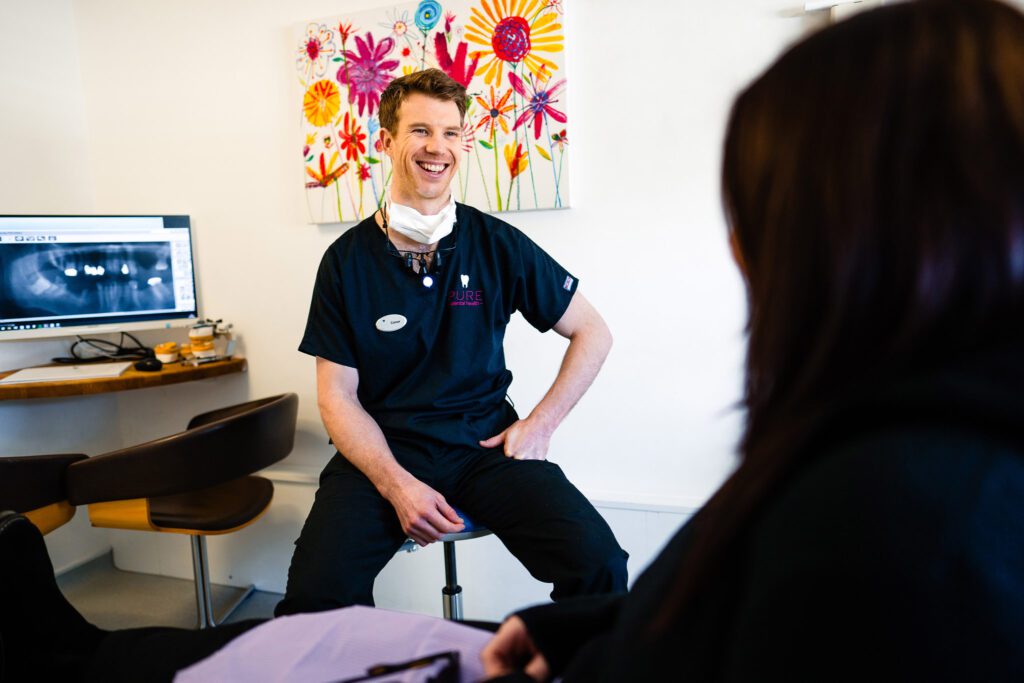
Advanced gum disease treatment is best suited for patients with moderate to advanced gum disease where non-surgical treatments have not been enough to control infection. It may be recommended if you have deep gum pockets, ongoing inflammation, gum recession, or bone loss around the teeth.
This treatment is also beneficial for patients who are committed to maintaining good oral hygiene and attending regular maintenance appointments, as long-term success relies on ongoing care. Following a thorough assessment, our team at Pure Dental will always discuss whether periodontal pocket reduction surgery is the most appropriate option for your individual needs and oral health goals.
Types of Periodontal Surgery
Depending on your individual needs, different periodontal surgical techniques may be recommended.
Pocket Reduction Surgery
This involves gently lifting the gums to allow thorough cleaning of deep pockets where bacteria collect. The gums are then repositioned to reduce pocket depth, making daily oral hygiene more effective.
Gum Grafting
In cases of gum recession, a gum graft may be used to protect exposed tooth roots, reduce sensitivity, and improve appearance.
Regenerative Procedures
Where bone loss has occurred, regenerative techniques may be used to encourage the regrowth of lost tissue and bone, helping to stabilise the teeth.
What to Expect During Periodontal Surgery
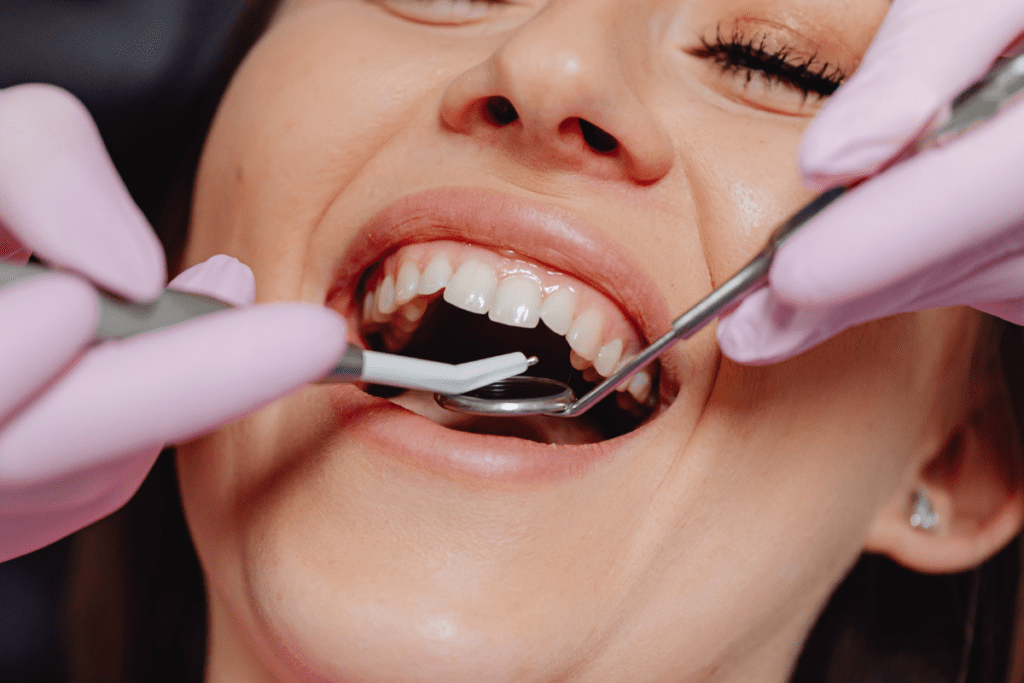
Periodontal surgery is typically performed under local anaesthetic, ensuring your comfort throughout the procedure. Our experienced clinical team will guide you through each step and ensure you feel relaxed and informed at all times.
Most treatments are completed in a single visit, although more complex cases may require multiple appointments. We will be transparent and honest with you at the consultation stage so that you can be prepared for every stage of your periodontal surgery journey.
Aftercare Following Periodontal Surgery
Proper aftercare is essential to support healing and ensure the best long-term results from your periodontal surgery. Our aftercare PDF is a handy guide to refer to once your periodontal surgery is complete.
Managing Discomfort and Sensitivity
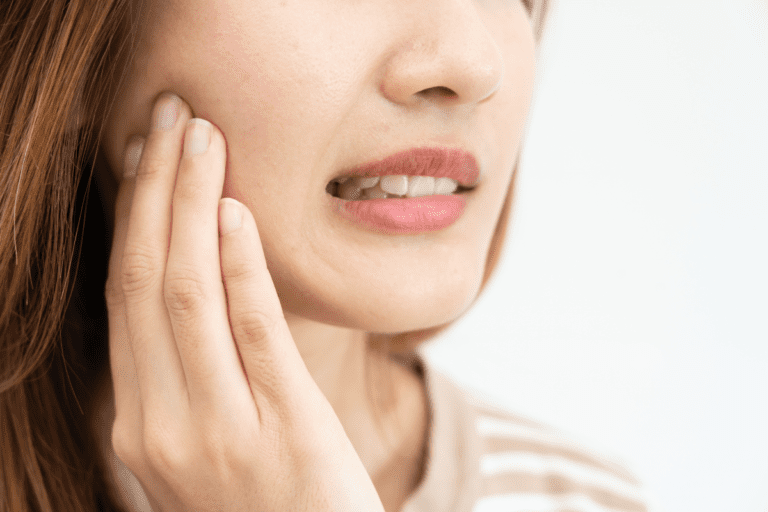
It is common to experience some tenderness or sensitivity to cold foods and drinks following periodontal treatment. This occurs due to the removal of tartar and a small amount of root surface during treatment.
- Avoid very cold, hot, or spicy foods for the first few days
- Use a desensitising toothpaste such as Sensodyne®
- Sensitivity usually settles within a few weeks, although in rare cases it may persist longer
Pain Relief and Medication
You may take an over-the-counter pain relief such as ibuprofen before the local anaesthetic wears off and afterwards if required. If you are unable to take ibuprofen due to allergies, stomach ulcers, or other medications, paracetamol is a suitable alternative. Please always follow the dosage instructions on the packaging.
Mouth Rinses and Oral Care
- After 24 hours, rinse gently with warm salt water (¼ teaspoon of salt in a cup of warm water)
- Alternate salt rinses with Chlorhexidine (Corsodyl) mouthwash, as advised by your dental team
- Maintain excellent plaque control with gentle brushing and interdental cleaning
Good oral hygiene is crucial for promoting healing and preventing reinfection.
Supporting Healing
You may gently massage the treated areas with clean fingers once advised by your dentist. This can help improve circulation and encourage healing.

Long-Term Maintenance After Periodontal Surgery
Periodontal disease requires ongoing care. Following surgery, regular hygiene maintenance appointments are essential, usually every 3–4 months.
These visits allow us to monitor gum health, remove any plaque or tartar biuild-up and prevent further progression of gum disease. With consistent professional care and good home hygiene, many patients maintain healthy gums and teeth for years after periodontal surgery.
Periodontal Surgery in Truro, Cornwall
At Pure Dental, we take a preventative and patient-centred approach to periodontal care. If you have concerns about gum disease or have been advised that you may need periodontal surgery, our friendly team is here to help.
Book a (free!) consultation at our Truro practice to discuss your options and take the next step towards healthier gums and a confident smile. We are looking forward to welcoming you!
Frequently Asked Questions About Periodontal Surgery
What is periodontal surgery?
Periodontal surgery is a dental procedure used to treat advanced gum disease (periodontitis). It involves carefully cleaning beneath the gum line to remove bacteria, tartar, and infected tissue that cannot be reached with routine cleaning. In some cases, the gums may be repositioned or regenerated to support healing and protect the teeth. The aim of periodontal surgery is to restore gum health, prevent further damage, and help preserve your natural teeth.
How painful is periodontal surgery?
Periodontal surgery is carried out under local anaesthetic, so you should not feel pain during the procedure itself. After treatment, it is normal to experience some tenderness, swelling, or sensitivity, particularly when eating or drinking. This is usually mild to moderate and can be managed with over-the-counter pain relief.
How long does it take to recover from periodontal surgery?
Initial healing typically takes 1–2 weeks, although this can vary depending on the type of periodontal surgery performed and your overall oral health. Some sensitivity may last longer, but most patients can return to normal daily activities within a day or two. Full healing of the gums can take several weeks, during which good oral hygiene and follow-up appointments are essential.
Is periodontal surgery worth it?
For patients with advanced gum disease, periodontal surgery is often highly beneficial. It can help stop the progression of periodontitis, reduce infection, improve gum health, and lower the risk of tooth loss. Many patients find that investing in periodontal surgery improves both their oral health and overall confidence. Your dentist or hygienist will always discuss whether periodontal surgery is the most appropriate option for your individual needs.