Sedation can make dental treatment far more comfortable, but many patients want to know what happens afterwards. Sedation recovery time varies depending on the type of sedation used and how your body processes the medication. While most people feel alert again within a few hours of dental sedation, the effects can last for the rest of the day. Understanding what to expect during sedation recovery can help you plan ahead and ensure a safe, smooth return to your normal routine.
How Long Does Sedation Recovery Take?
In most cases, patients begin to feel more alert within 30–60 minutes after treatment, but the full effects of sedation may take longer to wear off. A sedated person may appear capable of performing normal daily tasks and making decisions, but they are not. Their judgment will be affected by sedation, and so careful rest and recuperation are required after.
Many dental practices recommend allowing up to 24 hours for complete recovery, particularly with deeper forms of sedation.
Even when you feel awake, sedatives can still affect your coordination, memory, and judgment for several hours. This is why dentists usually recommend arranging for someone to accompany you home and staying rested for the remainder of the day.
Sedation Recovery Time by Type of Sedation
The type of sedation used during your treatment is the biggest factor in how quickly you recover.
Nitrous Oxide (Inhalation Sedation)
Nitrous oxide (sometimes called “laughing gas”) wears off very quickly. Most patients recover within 15–30 minutes after oxygen is administered, allowing them to return to normal activities soon afterwards. Because recovery is so rapid, some patients are able to drive themselves home once the effects have fully cleared and your dentist confirms it is safe.
Oral Sedation
Oral sedation is taken as a tablet before treatment and produces a deeper level of relaxation. Typical recovery timeline:
- 2–4 hours: Initial drowsiness begins to fade
- Several hours: Grogginess may continue
- Up to 24 hours: Full recovery and return to normal activities
Because the sedative stays in your system longer, you will need someone to escort you home after your appointment.
IV Sedation
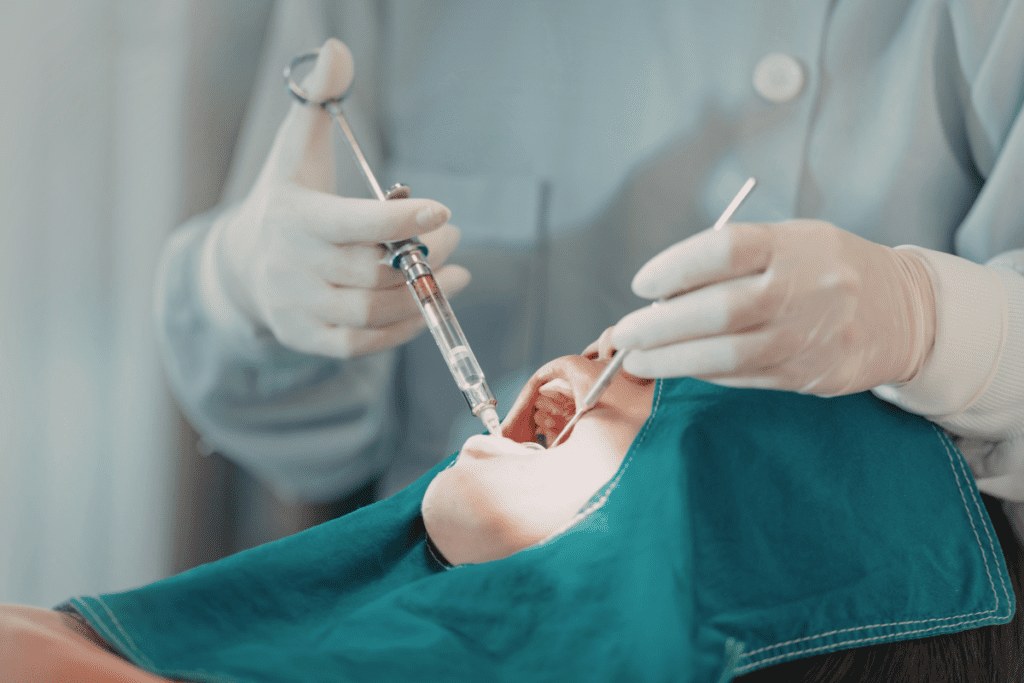
Intravenous (IV) sedation works quickly and provides deeper relaxation during treatment.
Although patients usually feel alert enough to leave the practice within 30–60 minutes, the effects can linger for the rest of the day.
Typical IV sedation recovery timeline:
- First 2–4 hours: Drowsiness or dizziness may occur
- 4–8 hours: Coordination gradually improves
- 8–24 hours: Most patients feel back to normal
For safety reasons, you should avoid driving, drinking alcohol, and making important decisions for at least 24 hours after IV sedation.
What to Expect Immediately After Sedation
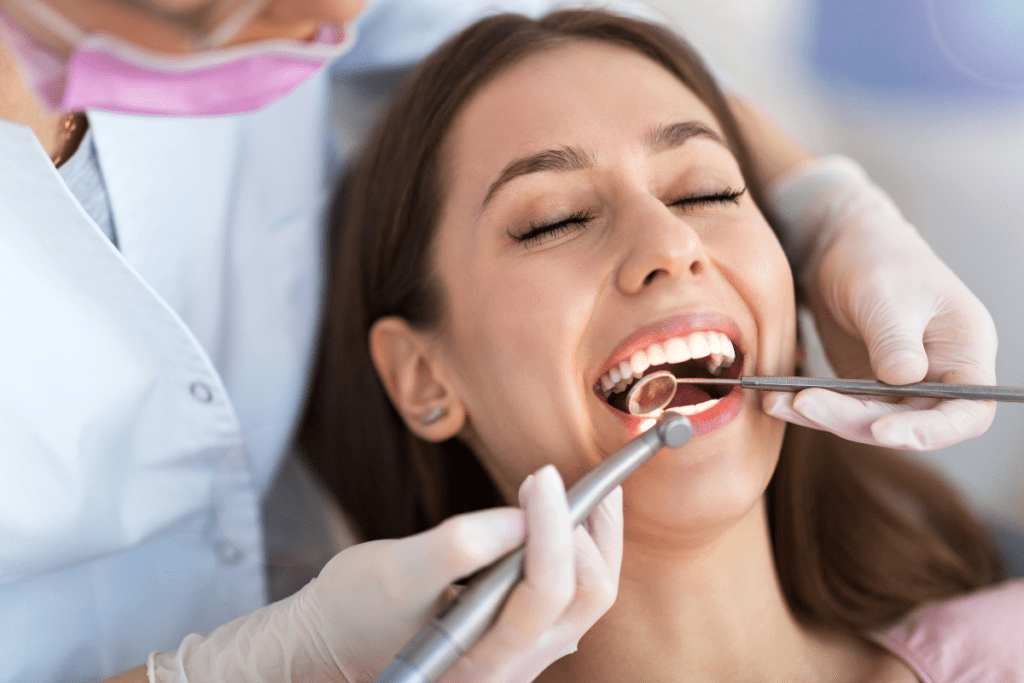
After your treatment, you will usually spend a short period resting at the dental practice while the sedative wears off. During this time, your dental team will monitor you to ensure you are comfortable and recovering safely.
Once you are ready to leave, you may still feel:
- Slightly sleepy or groggy
- A little unsteady on your feet
- Forgetful about parts of the procedure
- Mild nausea or dizziness
These effects are normal and typically resolve within a few hours as the medication leaves your system.
What Can Affect Sedation Recovery Time?
Every patient is different, so recovery times can vary. Several factors influence how quickly the sedative wears off.
Type and Dose of Sedative
Stronger sedatives or higher doses generally require a longer recovery period.
Length of the Procedure
Longer treatments may require more medication, which can extend recovery time.
Individual Metabolism
Your body’s ability to process medication can affect how quickly the sedative leaves your system.
Medications and Medical History
Certain medications or health conditions may influence how sedation works and how quickly you recover. Your dentist will review your medical history before treatment to ensure sedation is both safe and appropriate.

Tips for a Smooth Sedation Recovery
Following a few simple aftercare steps can help you recover comfortably.
- Arrange an Escort Home For oral or IV sedation, you will need a responsible adult to accompany you home after your appointment.
- Rest for the Day Plan to take the rest of the day off work or strenuous activities.
- Stay Hydrated Drinking water helps your body process the medication and prevents dehydration.
- Eat Light Foods Start with soft or light foods once you feel ready to eat.
- Avoid Alcohol and Driving Alcohol, driving, operating machinery, or making important decisions should be avoided for at least 24 hours after sedation.
When to Contact Your Dentist
Most patients recover from sedation without any problems. However, you should contact your dentist if you experience:
- Persistent nausea or vomiting
- Severe dizziness or confusion
- Unusual swelling or pain
- Symptoms that last longer than 24 hours
Your dental team will always provide personalised aftercare instructions based on your treatment.
Planning Ahead for Your Sedation Appointment
Because sedation recovery time can last for the rest of the day, it is best to plan ahead. Many patients arrange a friend or family member to escort them home and a quiet evening to rest and recover.
With the right preparation, sedation can make dental treatment far more relaxed while still allowing you to recover quickly and safely. If there is anything you do not understand or if you have any concerns, please ask or call the surgery for advice 01872 222404. A courtesy phone call will be made to the patient the day after surgery.
Sedation Recovery Time FAQs
Can I drive after dental sedation?
In most cases, you should not drive after dental sedation, particularly if you have had oral or IV sedation. The medication can affect coordination, reaction time, and judgment for several hours. For safety, dentists usually recommend avoiding driving for at least 24 hours and arranging for someone to take you home after your appointment.
How long until sedation wear off?
The time it takes for sedation to wear off depends on the type used. Nitrous oxide (laughing gas) often wears off within 15–30 minutes, while oral or IV sedation may take several hours to fully fade. Although you may feel awake shortly after treatment, the full sedation recovery time can last up to 24 hours.
Can you go to work after sedation dentistry?
Most patients are advised to take the rest of the day off work after sedation dentistry. Even if you feel alert, sedation can still affect concentration and coordination. Planning a quiet day of rest helps ensure a smooth and safe recovery.
How long until you feel normal after sedation?
Many patients begin to feel more alert within one to two hours after treatment. However, it can take up to 24 hours for the effects of sedation to completely leave your system. By the following day, most people feel fully back to normal.
What is the aftercare for sedation?
After dental sedation, it is recommended to rest for the remainder of the day, drink plenty of fluids, and eat light foods when you feel ready. Avoid driving, alcohol, strenuous activity, or making important decisions for at least 24 hours. Your dentist will also provide personalised aftercare instructions based on your treatment.
Does sedation make you feel tired the next day?
Most patients feel normal by the next day, but some people may experience mild tiredness or grogginess, particularly after oral or IV sedation. This usually resolves quickly once the medication has fully left your system.
How long does it take for sedation to leave your system?
While the main effects of sedation often fade within a few hours, small amounts of the medication may remain in your system for up to 24 hours. During this time, you should avoid driving or activities that require full concentration.
Is dental sedation safe?
Dental sedation is considered very safe when administered by trained dental professionals. Before treatment, your dentist will review your medical history and explain the type of sedation being used to ensure it is appropriate for you.
Will I be asleep during dental sedation?
Most forms of dental sedation do not put you fully to sleep. Instead, they help you feel deeply relaxed and calm during treatment. Many patients remain awake but may feel drowsy and remember little about the procedure afterwards.
How can I prepare for dental sedation?
Before your appointment, your dentist may advise you to avoid eating for several hours, arrange for someone to escort you home, and wear comfortable clothing. Following these instructions helps ensure your treatment and recovery go smoothly.