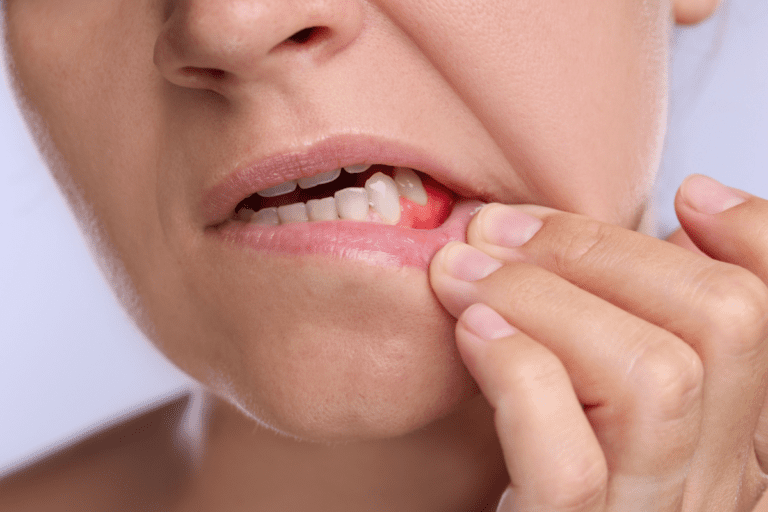
Why do my gums bleed when I floss? It’s one of the most common questions we hear from patients at Pure Dental, and the good news is – it’s usually fixable. While seeing blood in the sink can feel alarming, bleeding gums when flossing often signal that your gums need a little more care and attention rather than something seriously wrong.
In this guide, our dentists explain the most common causes – from improper flossing technique to early gum disease – and share practical steps you can take to improve your gum health. If you’ve been avoiding the dentist because of bleeding gums, we’re here to reassure you: with the right approach and professional support, healthy gums are absolutely within reach.

Is It Normal for Your Gums to Bleed When Flossing?
The short answer: it depends. Healthy gums shouldn’t bleed regularly when you floss, but occasional light bleeding, especially if you’re new to flossing or restarting after a break, is fairly common and often nothing to panic about.
Your gums are delicate tissues, and when they’ve been neglected or aren’t used to regular cleaning, they can bleed when you start paying them proper attention. That said, persistent or heavy bleeding is a sign that something needs to change, whether that’s improving your technique or seeking professional help. The key is understanding what’s normal and what warrants a conversation with your dentist.
Why You Shouldn’t Ignore Bleeding Gums
Here at Pure Dental Health, we focus on preventative care and believe in catching symptoms early before they progress. While occasional light bleeding might seem harmless, ignoring it can be a missed opportunity to catch early gum problems before they become serious.
Bleeding gums are often the first sign of gingivitis (the earliest stage of gum disease) when plaque and bacteria have begun to irritate your gum tissue. Gingivitis is completely reversible with improved home care and professional support. But if you let bleeding gums continue unchecked, gingivitis can progress to periodontitis, a more serious form of gum disease that can lead to bone loss and even tooth loss.
If you are wondering why your gums bleed every time you floss, or if you notice bleeding when brushing as well, that’s a clear signal to improve your oral hygiene routine and book a dental checkup.
When Bleeding Is Part of Adjustment
If you’ve recently started flossing regularly or restarted after a long break, some light bleeding in the first few days is completely normal – and actually a sign that your gums are responding to better care. Your gum tissue is adjusting to the new stimulation, and as long as the bleeding is light and stops quickly, there’s no need to worry.
What to expect during the adjustment phase: continue flossing gently every day, and within 3 to 10 days, your gums should toughen up, and the bleeding should stop or reduce significantly. The keyword here is “gently” – if you’re flossing aggressively or using a rough technique, you might be causing irritation that’s actually making things worse. If the bleeding persists beyond 10 days despite consistent, gentle flossing, or if it’s heavy rather than light, that’s when it’s worth scheduling a checkup to rule out gingivitis or other underlying issues.
At Pure Dental, our team can assess your flossing technique, check your gum health, and give you personalised guidance to get your gums back on track.
Common Causes of Bleeding Gums When Flossing
If you’re wondering, “Why Do My Gums Bleed When I Floss?” then we are here for you, and there’s likely no need to worry. Bleeding gums can happen for several reasons, and identifying the cause is the first step to fixing the problem. Here are the most common culprits:
- Improper flossing technique
- Gingivitis
- Plaque and tartar accumulation
- Aggressive brushing
- Vitamin K deficiency
- Certain medications
Improper Flossing Technique
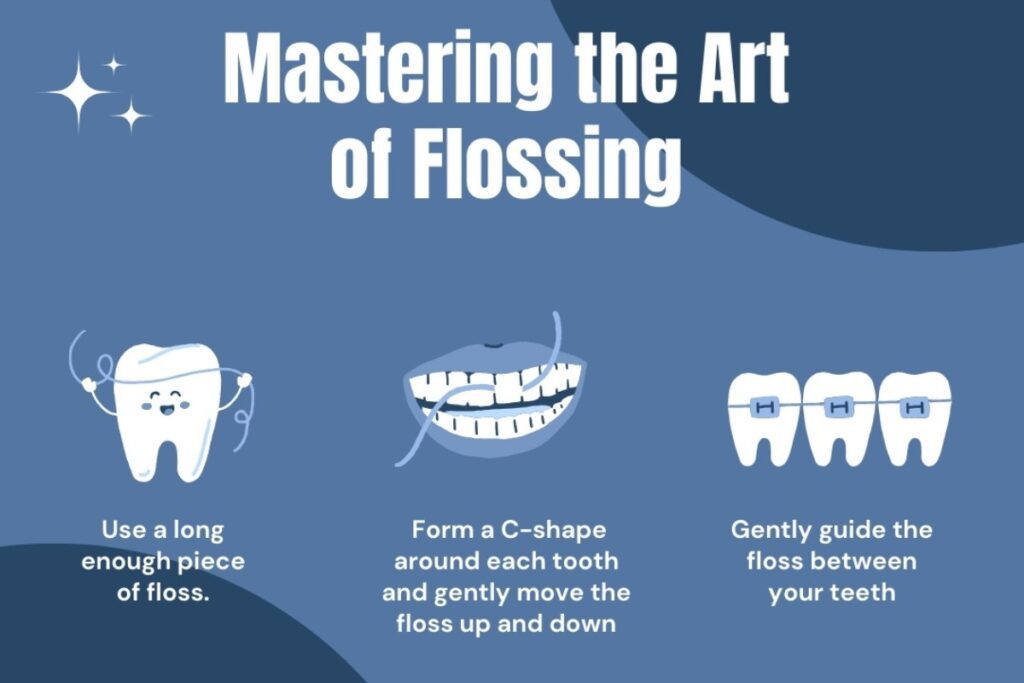
How you floss matters just as much as how often. If you’re flossing too aggressively, snapping the floss between your teeth, or not curving it properly around each tooth, you can actually injure your delicate gum tissue and cause bleeding. The correct technique involves gently guiding the floss in a “C” shape along each tooth, moving it up and down without forcing it below the gumline. If you’re unsure about your technique, our dental hygienists at Pure Dental can show you the proper method.
New or Infrequent Flossing Habit
If you’ve never flossed consistently or you’ve stopped for a long time and are restarting, your gums aren’t used to the stimulation. They may bleed in the first few days as they adjust. This is actually a positive sign that you’re finally cleaning areas that were neglected. Continue flossing gently every day, and the bleeding should stop within 3 to 10 days as your gums become healthier and more resilient.
Gingivitis – Early Stage Gum Disease
Gingivitis is the mildest form of gum disease and is caused by plaque bacteria irritating your gum tissue. Your gum line becomes inflamed, swollen, and red, and gums bleed easily during flossing or brushing your teeth. However, gingivitis is completely reversible with improved oral hygiene and professional care.
Plaque and Tartar Buildup
Plaque is a sticky film of bacteria that forms on your teeth daily. When you don’t floss regularly, plaque hardens into tartar (calculus) along the gumline, which irritates and inflames your gums. This buildup creates the perfect environment for bacteria to thrive, causing your gums to become swollen, tender, and prone to bleeding when you floss. Regular daily flossing removes plaque before it hardens, but once tartar forms, only a professional cleaning can remove it.
Aggressive Brushing
Just like improper flossing, brushing too hard or using a hard-bristled toothbrush can irritate and damage your gums. Many patients assume that scrubbing harder will get their teeth cleaner, but in reality, it wears down enamel and injures gum tissue. Switch to a soft-bristled toothbrush and use gentle circular motions rather than aggressive scrubbing; your gums (and teeth) will thank you.
Medications That Increase Bleeding
Certain medications, particularly blood thinners like warfarin or antiplatelet drugs, can increase bleeding throughout your body – including your gums. Some other medications, such as certain anticonvulsants and immunosuppressants, can cause gum overgrowth or increase gum sensitivity. If you’ve recently started a new medication and noticed bleeding gums, mention it to both your dentist and your GP so they can work together to manage the issue.
Vitamin Deficiencies and Nutritional Factors
Vitamin C and vitamin K are essential for gum health and blood clotting. A deficiency in either of these vitamins can lead to weak, bleeding gums. Vitamin C supports collagen production in gum tissue, while vitamin K helps with blood clotting. If your diet is lacking in citrus fruits, leafy greens, and other nutrient-rich foods, this could be contributing to your bleeding gums. Improving your nutrition often makes a noticeable difference in gum health.
Hormonal Changes and Pregnancy Gingivitis
Hormonal fluctuations during pregnancy, menstruation, or menopause can increase gum sensitivity and gum inflammation, leading to a condition called pregnancy gingivitis. Even with good oral hygiene, hormonal changes can make your gums more prone to bleeding. If you’re pregnant or experiencing significant hormonal changes, let your dentist know so they can provide extra support and more frequent cleanings if needed.
How to Floss Properly Without Damaging Your Gums
A proper flossing technique is crucial. Using the wrong method can actually injure your gums and cause unnecessary bleeding. Here’s how to floss correctly and gently:
Step-by-Step Flossing Technique
- Start with the right amount – Use about 18-24 inches of floss. Wrap most of it around one middle finger and the rest around the other, leaving about 2 inches to work with.
- Keep it tight – Hold the floss firmly between your thumbs and index fingers to maintain control and prevent it from slipping.
- Guide it gently – Slide the floss between your teeth using a gentle sawing motion. Avoid snapping it down hard onto your gums.
- Curve into a “C” shape – Once between teeth, curve the floss into a C-shape against one tooth and gently move it up and down along the side. This is more effective than moving it straight up and down.
- Go below the gumline carefully – Gently guide the floss just below the gumline (about 1-3mm), but never force it or go too deep. You should feel slight resistance, not pain.
- Use a fresh section – Move to a clean section of floss for each tooth to avoid spreading bacteria.
- Be gentle throughout – Remember: gentle pressure is all you need. If you’re causing bleeding through rough technique, ease up.
Tools and Tips to Make Flossing Easier
If traditional string floss feels awkward or difficult, don’t give up – try these alternatives:
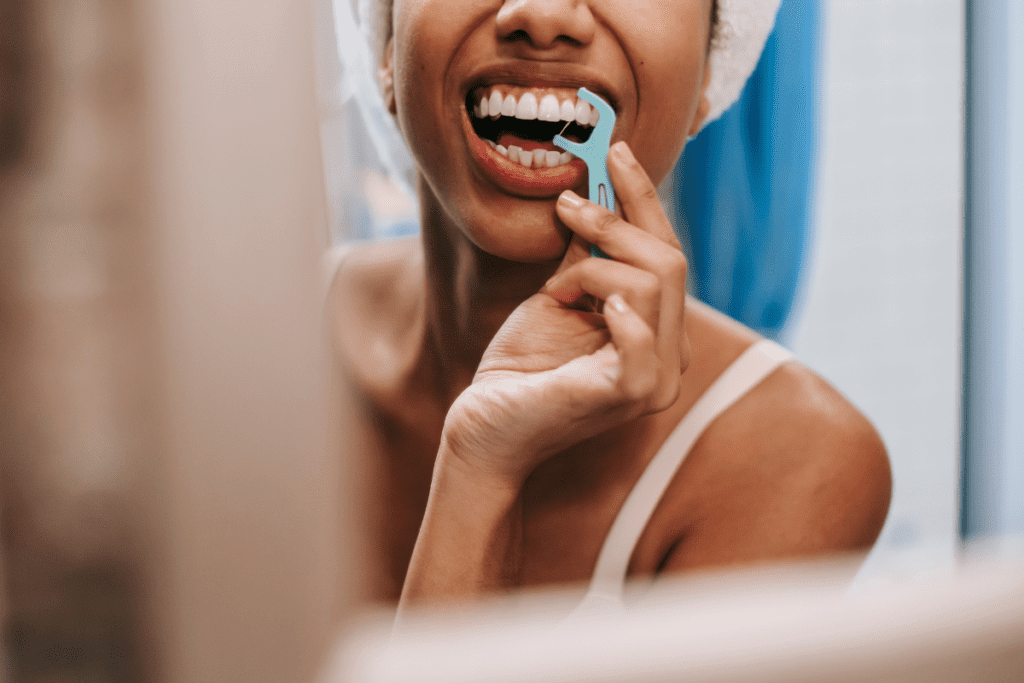
- Floss picks or interdental brushes – These can be easier to control and reach tricky areas, especially if you have large gaps between teeth.
- Water flossers – Electric water flossers can be just as effective as traditional floss and are gentler on sensitive gums.
- Soft-bristled interdental brushes – Small brushes designed to fit between teeth can remove plaque effectively without aggressive scrubbing.
- Mouthwash – Use an antimicrobial mouthwash after flossing to help kill remaining bacteria and reduce inflammation.
Pro tip from Pure Dental: The best flossing tool is the one you’ll actually use consistently. If traditional floss doesn’t work for you, experiment with alternatives. Consistency matters more than the method, so find what works and stick with it daily.
When Should You Be Concerned About Bleeding Gums?
Not all bleeding gums require immediate alarm, but persistent or heavy bleeding is a signal that something needs attention. Here’s how to know if you should book a dental appointment:
Light Bleeding vs. Persistent Bleeding
Light bleeding is usually OK if:
- You’re new to flossing (within the first week)
- The bleeding stops within a few minutes
- It only happens occasionally
- Your gums aren’t red, swollen, or tender
- You’re using a proper, gentle flossing technique
In these cases, continue your daily flossing routine – your gums should improve within 3 to 10 days.
Persistent bleeding needs professional attention if:
- You’ve been flossing regularly for more than 10 days and it hasn’t improved
- Bleeding is heavy or happens every time you floss
- Your gums bleed during brushing too
- The bleeding doesn’t stop quickly (takes several minutes)
- Your gums are noticeably red, swollen, or tender
- You have bad breath that won’t go away
- Your gums feel sore or uncomfortable
These signs suggest gingivitis or another gum condition that benefits from professional assessment and treatment.

Warning Signs You Need a Dentist
Don’t wait to book an appointment if you notice any of these warning signs:
- Continuous or frequent bleeding when flossing or brushing
- Red, swollen, or tender gums that don’t improve with better home care
- Persistent bad breath that doesn’t improve with brushing and flossing
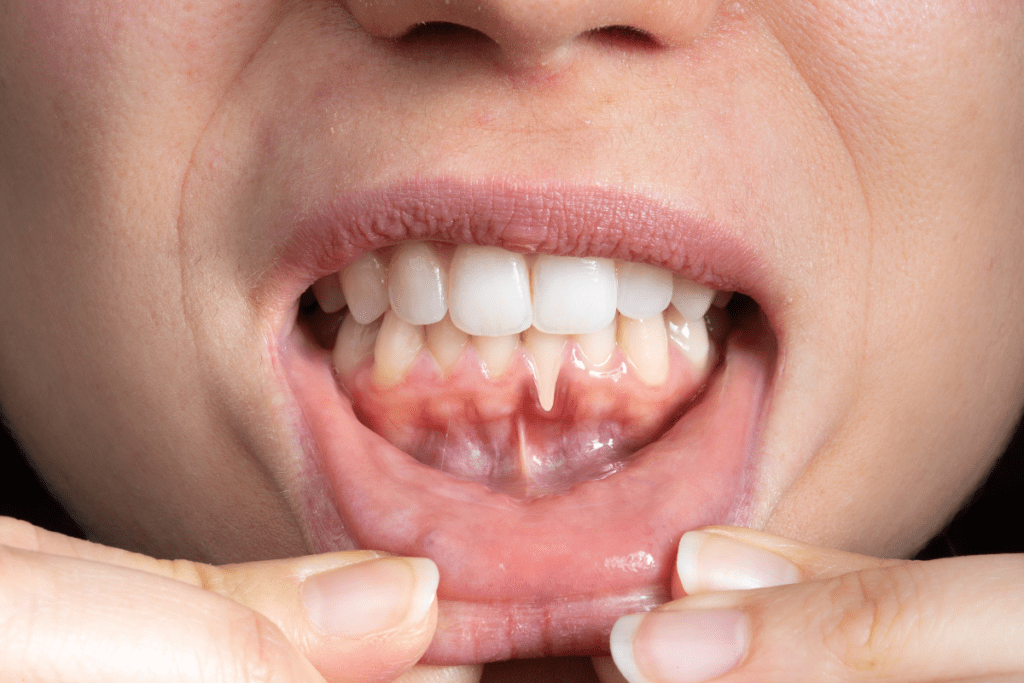
- Receding gums (gums pulling away from your teeth, making them look longer)
- Loose or shifting teeth or discomfort when chewing
- Pus or discharge between your teeth and gums
- Changes after starting a new medication (discuss with your dentist and GP)
- Bleeding gums during pregnancy (important to manage with professional support)
The bottom line: If bleeding persists beyond 10 days despite consistent, gentle flossing, or if you notice any of the warning signs above, it’s time to see a dentist. Early intervention makes a huge difference. At Pure Dental, we can quickly assess what’s causing your bleeding gums and recommend the proper treatment. Don’t let concern about visiting the dentist stop you from getting help; we see bleeding gums regularly, and the vast majority of cases resolve quickly with proper care.
What You Can Do to Stop Bleeding Gums
Most bleeding gums respond quickly to simple changes in your home care routine and lifestyle. Here’s what you can do starting today:
Improve Your Home Care Routine
- Floss daily – Consistency is key. Floss at least once a day, preferably before bed, using a gentle technique.
- Brush twice daily – Brush for two minutes using a soft-bristled toothbrush and fluoride toothpaste. Avoid aggressive scrubbing; use gentle, circular motions instead.
- Use antimicrobial mouthwash – Rinse with an antimicrobial or antiseptic mouthwash after brushing and flossing to help kill bacteria and reduce inflammation. This is especially helpful if your gums are bleeding.
- Don’t skip problem areas – Many people avoid flossing areas that bleed, but this is actually counterproductive. Give bleeding areas gentle attention – they need it most.
- Replace your toothbrush – If your toothbrush is old or worn, the bristles may be damaging your gums. Replace it every 3 months or sooner if bristles are frayed.
- Consider an electric toothbrush – Electric toothbrushes remove more plaque than manual brushes and are often gentler on gums when used correctly.
Dietary Changes to Support Gum Health
Your diet plays a significant role in gum health. Make these nutritional adjustments:
- Increase vitamin C intake – Vitamin C supports collagen production in gum tissue and helps your body fight inflammation.
- Boost vitamin K – Vitamin K is essential for blood clotting and gum health. Include more broccoli, spinach, kale, cabbage, and Brussels sprouts in your diet.
- Eat calcium-rich foods – Strong bones support healthy teeth. Add dairy products, almonds, sardines, and leafy greens to strengthen your teeth and jaw.
- Reduce sugar and processed foods – Bacteria feed on sugar, which increases plaque production and inflammation. Cut back on sugary snacks and drinks.
- Stay hydrated – Drink plenty of water throughout the day. Saliva helps neutralise acids and remove bacteria, so proper hydration supports oral health.
- Avoid smoking and vaping – Tobacco use significantly increases your risk of gum disease and slows healing. If you smoke, consider quitting or reducing.
The 7-10 Day Test
If you’ve recently started flossing or restarted after a break, keep a simple log or mental note of when and where you have noticed your gums bleeding. Are they improving? Staying the same? Getting worse? This information helps your dentist understand what’s happening and recommend the best treatment.
Professional Gum Disease Treatment at Pure Dental
If home care isn’t enough to stop bleeding gums, or if you’ve been diagnosed with gingivitis or gum disease, professional treatment is highly effective – especially when caught early. At Pure Dental in Truro, we offer specialised gum disease treatments designed to stop bleeding, reduce inflammation, and restore your oral health.

Scaling and Root Planing for Gingivitis
Scaling and root planing is a professional deep-cleaning procedure that removes plaque and tartar both above and below the gumline – areas your toothbrush and floss can’t reach.
What happens during the procedure:
- Scaling – Your hygienist or dentist removes hardened tartar and plaque from the surfaces of your teeth and below the gumline using specialised instruments.
- Root planing – The root surfaces of your teeth are smoothed to help your gums reattach to your teeth and prevent bacteria from accumulating again.
This treatment is quick, minimally uncomfortable, and highly effective at reversing early-stage gingivitis. Most patients notice an immediate reduction in bleeding and inflammation. Your gums typically feel healthier and look better within days.
Why it works: By removing the source of irritation (plaque and tartar) and smoothing root surfaces, we give your gums the best chance to heal. Combined with improved home care, scaling and root planing stop bleeding gums and prevent progression to more serious gum disease.
Professional Cleaning and Monitoring
After scaling and root planing, regular professional cleanings become even more important. At Pure Dental, we recommend:
- Follow-up cleanings – Depending on your gum health, we may recommend more frequent professional cleanings (every 3 months instead of the standard 6) to prevent plaque and keep it under control while your gums heal.
- Periodontal monitoring – Our team will monitor your gum pockets and overall gum health at each visit to ensure you’re responding well to treatment.
- Personalised guidance – We’ll work with you on your flossing technique, recommend the best home care products for your situation, and answer any questions you have.
- Early detection – Regular check-ups mean we catch any new problems early, before they become serious. Prevention is always easier and more affordable than treating advanced gum disease.
Many patients are surprised by how quickly their gums improve with professional care plus better home habits. Bleeding usually stops, swelling goes down, and gums become firm and healthy again.
When to Book Your Appointment
You should book an appointment at Pure Dental if:
- Bleeding persists for more than 10 days despite consistent home care
- You notice warning signs like red, swollen, tender gums or persistent bad breath
- You’re unsure about your flossing technique and want professional guidance
- You haven’t had a dental checkup in 6 months – regular check-ups catch problems early
- You’re concerned about your gum health for any reason – there’s no such thing as a silly question
Don’t delay because you’re worried: Many patients avoid the dentist because they’re embarrassed about bleeding gums or worried it means serious disease. Gingivitis is completely reversible, and our team at Pure Dental has helped hundreds of patients restore their gum health.
Book your appointment today: Call us on 01872 222 404 (we’re open 6 days a week) or visit our contact page to arrange a consultation. If you’re a new patient, ask about our 50% discount on your first dental checkup. We’re here to help you get your smile back – and keep your gums healthy for life.

Why Do My Gums Bleed When I Floss? And Other FAQs…
Is it normal for floss to make your gums bleed?
Light, occasional bleeding when you first start flossing is normal as your gums adjust. However, if you’ve been flossing regularly for over 10 days and still see bleeding, or if bleeding is heavy and persistent, it’s a sign that something needs attention.
Are you supposed to brush or floss first?
Floss first, then brush. Flossing removes food and plaque from between teeth, and brushing with fluoride toothpaste afterwards helps protect those cleaned surfaces and your teeth overall.
Should I keep flossing if my gums bleed?
Yes, absolutely. Stop flossing is the worst thing you can do. Bleeding gums usually need more attention, not less. Continue flossing gently every day – within 3 to 10 days, bleeding should improve as your gums become healthier and stronger.
What does it mean if my gums bleed when I floss?
Bleeding gums indicate inflammation or irritation, usually from plaque buildup, improper technique, or gingivitis. It’s your mouth’s way of telling you that your gums need better care, but it’s not necessarily a serious problem.
Do I have gum disease if my gums bleed?
Not necessarily. Bleeding can be caused by new flossing habits, improper technique, aggressive brushing, or vitamin deficiencies. However, persistent bleeding is often a sign of gingivitis (early-stage gum disease), which is why it’s important to have it checked by a dentist if it doesn’t improve.
Can bleeding gums go away on their own?
Light bleeding from adjusting to new flossing habits may resolve on its own within days. However, persistent bleeding usually won’t improve without intervention – either better home care, improved technique, or professional treatment for gingivitis.
When should I see a dentist for bleeding gums?
Book an appointment if bleeding persists for more than 10 days despite consistent, gentle flossing, if bleeding is heavy, if you notice red/swollen gums, bad breath, or loose teeth. When in doubt, it’s better to get it checked early.
How do I know if I have gingivitis?
Signs of gingivitis include bleeding gums during flossing or brushing, red or swollen gums, tender gums, and sometimes bad breath. Your dentist can diagnose it with an examination. The good news? Gingivitis is completely reversible with proper care.
What’s the difference between gingivitis and periodontitis?
Gingivitis is the early, reversible stage of gum disease affecting only the gums. Periodontitis is more advanced – it damages the bone and tissues supporting your teeth and can lead to tooth loss. Catching and treating gingivitis early prevents it from becoming periodontal disease.
Can medications cause bleeding gums?
Yes. Blood thinners, certain anticonvulsants, and immunosuppressants can increase gum bleeding. If you’ve started a new medication and noticed bleeding gums, mention it to both your dentist and your GP so they can help manage the issue.
Does vitamin deficiency cause bleeding gums?
Deficiencies in vitamin C and vitamin K can lead to bleeding gums. Eating more citrus fruits, leafy greens, and nutrient-rich foods often improves gum health noticeably.