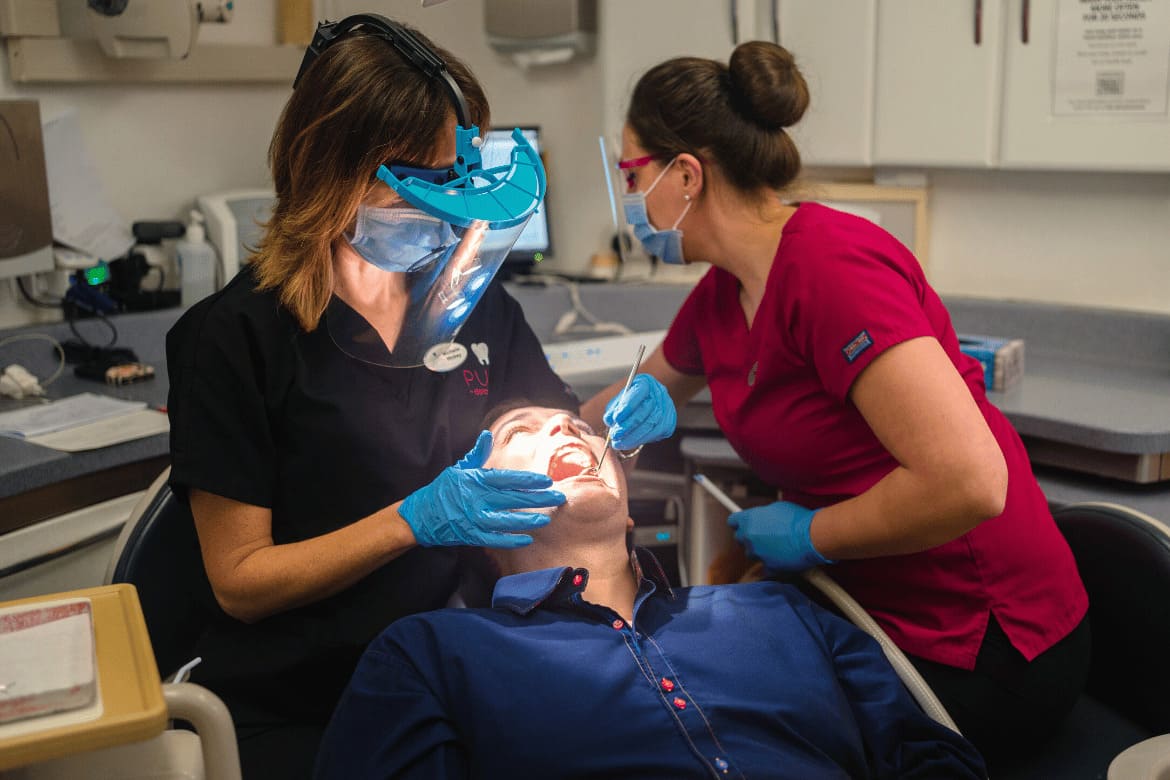
Good oral care isn’t just about having a bright smile – it’s one of the most important things you can do for your overall health. Whether your current routine is already pretty solid or you’re starting from scratch, there are always small, practical steps that can make a meaningful difference to your teeth and gums long-term.
Poor dental health has been linked to cardiovascular disease, diabetes complications, and respiratory conditions. And according to the NHS, around 31% of adults in the UK have tooth decay, with 74% having had at least one tooth extracted in their lifetime. The good news is that most dental problems are entirely preventable with the right daily habits and regular professional support.
This guide brings together everything our hygiene team at Pure Dental recommends – from brushing and flossing to diet, gum health, and knowing when it’s time to come and see us.
Why Good Oral Hygiene Matters More Than You Think
The Link Between Oral Health And Your Whole Body
Your mouth is the gateway to the rest of your body. When bacteria build up (through insufficient brushing, a high-sugar diet, or skipping professional cleanings), they don’t just stay put. Research has consistently shown links between gum disease and conditions including heart disease, stroke, type 2 diabetes, and even complications during pregnancy.
Good dental hygiene reduces the bacterial load in your mouth and, in turn, reduces systemic inflammation that can affect your health far beyond your teeth and gums.
What Good Oral Health Actually Looks Like
It’s worth knowing what you’re aiming for. Healthy teeth and gums are characterised by:
- Firm, pink gums that don’t bleed during brushing or flossing
- Breath that feels fresh throughout the day
- No persistent sensitivity to hot, cold, or sweet foods
- Teeth free from visible plaque, tartar, or decay
- No pain or tenderness in your teeth, jaw, or gums
If any of these feel familiar as problems rather than your current experience, don’t worry – you’re not alone, and most issues are very treatable when caught early.
Your Daily Oral Hygiene Routine
How To Brush Your Teeth Properly
Brushing twice daily is the minimum standard – and the most important brush of the day is the one before bed. While you sleep, saliva flow reduces, which means your mouth loses one of its natural defences against bacteria. Brushing last thing at night removes the day’s debris before bacteria have hours to work on it undisturbed.
Here’s how to get the most from your brushing:
- Duration: Brush for a full two minutes. It sounds simple, but most people stop well before that. A timer or electric toothbrush with a built-in alert makes a real difference.
- Technique: Use small, circular motions rather than long scrubbing strokes. Hold your brush at a 45-degree angle to the gumline to clean both the tooth surface and the area just beneath the gumline.
- Pressure: Gentle is more effective. Pressing hard enough to bend the bristles does more harm than good – it can wear away enamel and cause permanent gum recession.
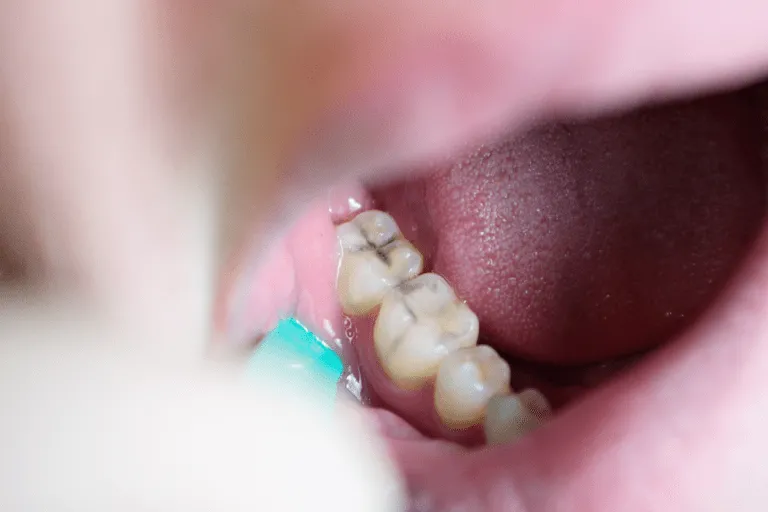
- Coverage: Don’t rush the back teeth. Molars are where plaque most commonly builds up and cavities most frequently occur.
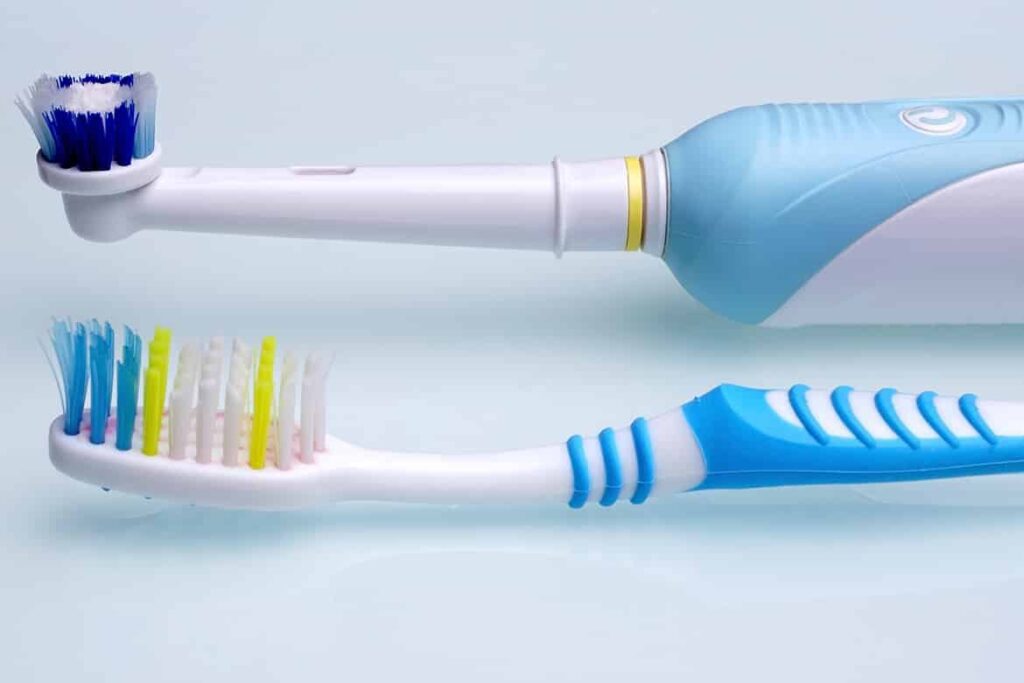
Electric Vs Manual Toothbrushes
Both electric and manual can work well – the key is using whichever one you’ll use consistently and correctly. Electric toothbrushes do make it easier to maintain the right pressure and movement, and some studies show they remove slightly more plaque. But a manual brush used with good technique is perfectly effective. If you use an electric brush, guide it slowly from tooth to tooth and let it do the work – don’t scrub.
Whatever type you use, replace the head or brush every three months, or as soon as the bristles start to look splayed. Worn bristles clean far less effectively.
Choosing The Right Toothpaste
For adults and children over 7, use toothpaste containing 1,350–1,500 ppm fluoride. This is the level recommended in the UK government’s Delivering Better Oral Health guidance. Fluoride strengthens tooth enamel and is one of the most evidence-backed tools we have for preventing tooth decay and having good oral health.
After brushing, spit out the excess toothpaste, but don’t rinse. Rinsing immediately washes away the fluoride before it has a chance to work.
Cleaning Between Your Teeth
Brushing alone cleans around 60% of tooth surfaces. The remaining 40% (the sides of your teeth and the spaces between them) can only be reached with interdental cleaning. This step is non-negotiable for good oral hygiene.
You can use:
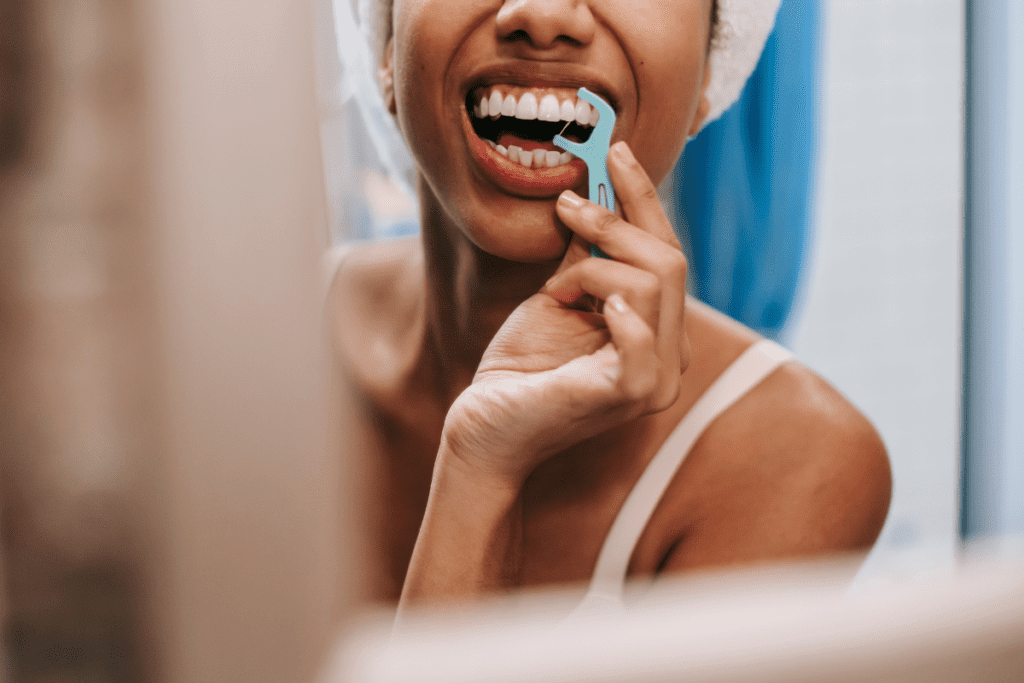
- Floss – works well for tight contacts between teeth. Use a fresh section of floss for each gap, curving it gently around each tooth and sliding it just below the gumline.
- Interdental brushes – often easier to use and more effective for people with bridges, orthodontic appliances, or slightly larger gaps. They come in different sizes, so finding the right fit matters. Our hygienists can show you which size suits your mouth.
- Water flossers – a useful addition, particularly for patients with implants or fixed braces, though not a complete replacement for traditional interdental cleaning.
Clean between your teeth once a day – it doesn’t matter whether you do it before or after brushing. The habit is what counts.
Should You Use Mouthwash?
Mouthwash can play a useful supporting role in good oral care, but it should be used as a complement to brushing and interdental cleaning, not a replacement.
If you do use mouthwash, use it at a separate time to brushing (midday is a good option) so you’re not rinsing away toothpaste fluoride. Fluoride mouthwashes offer an additional protective boost. Antibacterial mouthwashes can help manage gum inflammation. If you’re unsure which is right for you, ask at your next appointment as it always depends on your individual needs.
Diet and Your Dental Health
It’s Not Just About What You Eat, It’s How Often
Sugar causes tooth decay by feeding the bacteria in your mouth, which produce acid as a by-product. That acid attacks your enamel for up to 40 minutes after each exposure. So it’s not simply how much sugar you eat, it’s how many times a day your teeth are exposed to it and making sure you limit this as part of your good oral care routine.
Three sugary events spread through the day are far less damaging than ten small ones. Snacking on sweet foods and drinks throughout the day means your enamel never gets a chance to recover.
Foods and drinks that are hard on your teeth:
- Fizzy drinks – including diet versions, which are acidic regardless of sugar content
- Fruit juices and smoothies – naturally high in sugar and acid
- Sweets and biscuits – especially sticky ones that cling to tooth surfaces
- Alcohol – dries out the mouth and contains fermentable sugars
Foods that actively support dental health:
- Cheese and yoghurt – rich in calcium and phosphate, which help remineralise enamel
- Leafy greens and vegetables – provide calcium, folic acid, and vitamins that support gum health
- Almonds and nuts – a good source of calcium and protein without high sugar content
- Water – the single best drink for your teeth; tap water in the UK contains fluoride
The Caffeine And Alcohol Effect
Both coffee and alcohol reduce saliva flow. Saliva is your mouth’s natural defence; it neutralises acids, washes away food particles, and contains antimicrobial compounds. A consistently dry mouth is more vulnerable to decay and gum disease. If you drink coffee or alcohol regularly, staying well-hydrated with water makes a real difference.
Keeping Your Gums Healthy
Why Gum Health Matters
Your gums are the foundation your teeth sit in. Gum disease (which begins as gingivitis and can progress to periodontitis) is the leading cause of tooth loss in adults in the UK. And because early gum disease is often painless, many people don’t realise there’s a problem until it’s more advanced.
Early signs to look out for include:
- Gums that bleed when you brush or floss
- Gums that look red, swollen, or feel tender
- Persistent bad breath that doesn’t clear with brushing
- Gums that appear to be pulling away from your teeth
- Any new sensitivity or looseness in a tooth
None of these should be ignored. Caught early, gum disease is very manageable, but it doesn’t resolve on its own.
What Makes Gum Disease Worse
Several factors increase your risk of developing or worsening gum disease:
- Smoking – one of the biggest risk factors. It restricts blood flow to the gums, masks symptoms, and significantly slows healing.
- Stress – weakens the immune response and makes it harder for your body to fight gum infection.
- Hormonal changes – pregnancy, puberty, and the menopause can all make gums more sensitive and reactive.
- Certain medications – some antidepressants, antihistamines, and blood pressure medications cause dry mouth or gum changes.
- Uncontrolled diabetes – closely linked to more severe and harder-to-treat gum disease.
If any of these apply to you, it’s worth discussing with your dental hygienist so we can tailor your care accordingly.

Protecting Your Teeth From Damage
Habits That Do More Harm Than You’d Expect
Beyond decay and gum disease, there are several habits that can damage your teeth structurally:
- Using your teeth as tools – opening packaging, biting tags off clothing, or cracking nuts puts enormous pressure on teeth that aren’t designed for these forces. It’s a surprisingly common cause of chipped and cracked teeth.
- Grinding and clenching (bruxism) – many people grind their teeth at night without realising it. Signs include waking with a sore jaw, worn-down enamel, or frequent headaches. A custom occlusal splint can protect your teeth significantly.
- Contact sports without a mouthguard – a professionally fitted mouthguard offers far better protection than an over-the-counter one and is well worth the investment if you play rugby, boxing, martial arts, or any other contact sport.
- Home whitening kits – over-the-counter products can damage enamel and cause significant sensitivity if used incorrectly. If you’d like a whiter smile, our team can discuss safe, effective options with you.
Oral Hygiene For Children
Building Habits That Last A Lifetime
Good dental hygiene habits established in childhood have a lasting impact. Here’s a quick guide for parents:
- 0–3 years: As soon as teeth appear, brush with a smear of fluoride toothpaste (at least 1,000ppm). Make it a gentle, playful routine from the start.
- 3–6 years: Move to a pea-sized amount of toothpaste (1,000ppm+). Help your child brush and supervise closely.
- 7+ years: Children can start brushing more independently, but they still need supervision and encouragement. Use family toothpaste (1,350ppm+).
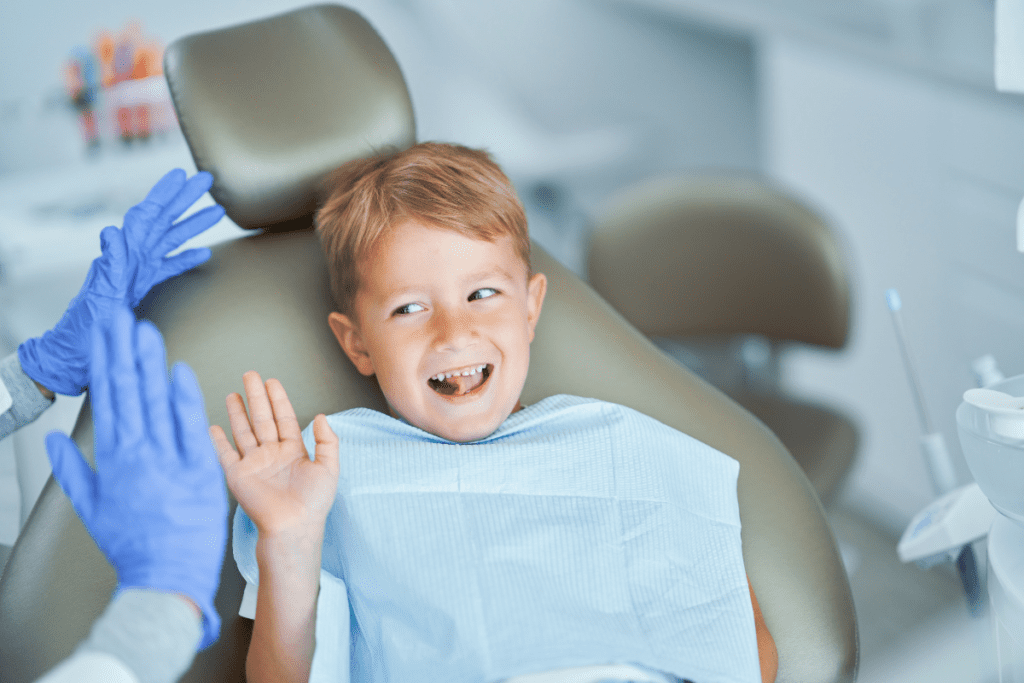
First dental visits should happen when the first teeth appear, so your child becomes familiar with the environment before any treatment is ever needed. At Pure Dental, we love seeing young patients early as it makes every future visit so much easier for them.
Why Professional Dental Care Matters
What A Hygienist Actually Does
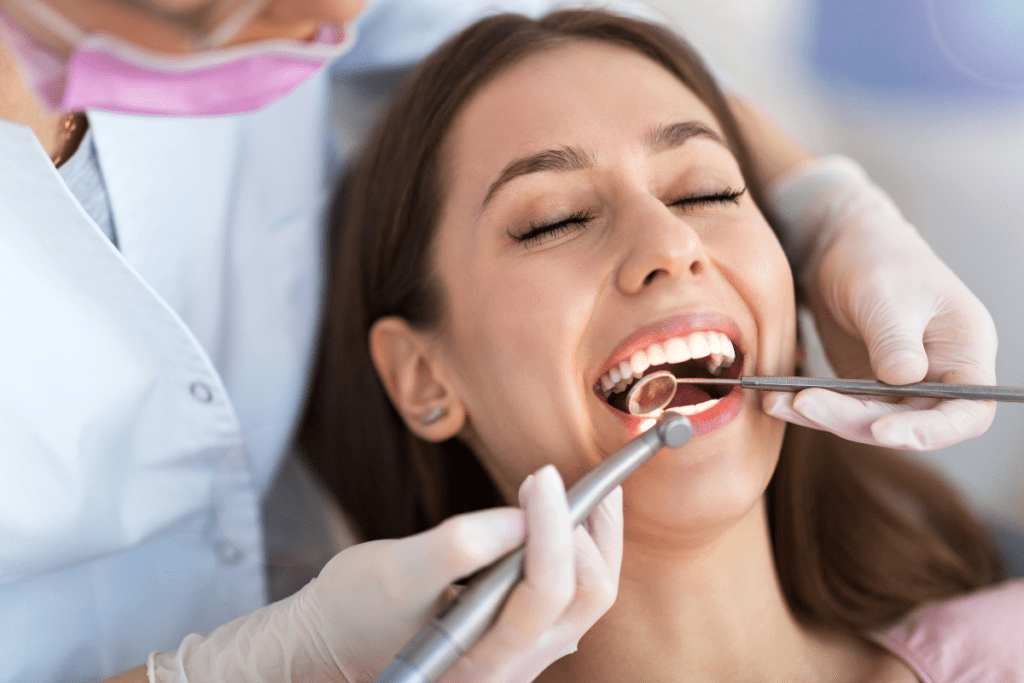
No matter how good your home routine is, there are things only a professional clean can achieve. Plaque that isn’t removed hardens into tartar (calculus) within 24–72 hours, and once it hardens, brushing can’t remove it. Tartar provides the ideal surface for more bacteria to accumulate and is a primary driver of gum disease.
At Pure Dental, our highly trained hygienists offer far more than a simple clean. A hygiene appointment includes:
- Thorough removal of tartar and plaque, including areas that are difficult to reach at home
- A detailed assessment of your gum health, checking pocket depths and spotting early signs of disease
- Personalised advice on technique, products, and any areas of concern specific to your mouth
- Professional polishing to remove surface staining and smooth tooth surfaces, making it harder for plaque to reattach
How Often Should You See A Hygienist?
For most adults with good oral health, twice-yearly visits are sufficient. If you have a history of gum disease, are a smoker, or have other risk factors, more frequent visits (every three or four months) may be recommended.
The important thing is not to wait until something hurts. Dental problems rarely improve on their own, and early treatment is almost always quicker, simpler, and less costly than waiting.
At Pure Dental, you don’t need a dentist’s referral to book a hygiene appointment – we operate a direct access policy, so you can contact us whenever it works for you.

A Note from the Team at Pure Dental
We know that for some people, visiting the dentist or hygienist can feel daunting. At our practice in Truro, we work hard to make sure every appointment is calm and unhurried.
Whether you haven’t been seen in a while, you’re managing ongoing gum issues, or you simply want to make sure you’re doing everything you can at home, we’re here to help without judgment.
Our direct-access hygiene service means you can book without needing a dentist referral. If it’s been a while, the best time to start is today.
Book a hygienist appointment – or if you’d prefer a chat first, get in touch with our team.
Frequently Asked Questions
What does good oral hygiene actually involve?
Good oral hygiene means brushing twice daily with a fluoride toothpaste, cleaning between your teeth once a day with floss or interdental brushes, eating a diet that limits frequent sugar exposure, not smoking, and attending regular professional appointments. It’s a combination of daily habits and professional support — neither alone is enough.
How do I know if my oral health is good?
Healthy gums are pink and firm and don’t bleed when you brush or floss. Your breath should feel consistently fresh. There should be no ongoing pain, sensitivity, or looseness in your teeth. If you’re unsure, a hygiene or check-up appointment is the most reliable way to get an honest picture.
What is the most important oral hygiene habit?
Brushing last thing at night before bed is the single most impactful habit for most people. Saliva production drops while you sleep, removing one of your mouth’s natural defences – so going to bed with a clean mouth makes a significant difference.
Can gum disease be reversed?
Gingivitis – the earliest stage of gum disease – can be fully reversed with improved home care and a professional clean. More advanced periodontitis can be controlled and managed, but the structural damage it causes cannot always be undone. This is why early detection matters so much.
How often should children see a dentist?
Children should see a dentist as soon as their first tooth appears. Regular visits — typically every six months — allow any developing issues to be caught early and help children build a positive relationship with dental care.
Is an electric toothbrush better than a manual one?
Electric toothbrushes can make it easier to maintain good technique and the correct pressure, and some studies show slightly better plaque removal. But a manual brush used correctly and consistently is perfectly effective. The best toothbrush is the one you’ll use for a full two minutes, twice a day.
What should I do if my gums bleed when I brush?
Bleeding gums are a sign of inflammation, usually caused by plaque at the gumline. The instinct is often to brush more gently around those areas — but the opposite is usually more helpful. Improve your brushing technique, start flossing consistently, and book a hygiene appointment if the bleeding doesn’t settle within two to three weeks.