If you’re thinking about improving your smile, you’ve probably come across two popular options: composite bonding and porcelain veneers. Both can change the colour, shape and size of your teeth, and both can give you a smile you’re proud to show off. The difference lies in how they’re made, how long they last and what they cost.
At Pure Dental in Truro, we offer both, so we’re not here to push you one way or the other. In this guide, we’ll compare composite bonding vs veneers side by side, with honest pricing, realistic lifespans and the questions worth asking, so you can choose what’s right for your teeth, your lifestyle and your budget.
The short answer:
Composite bonding uses tooth-coloured resin, sculpted by hand in a single visit, to fix chips, small gaps and uneven edges with little or no removal of natural tooth. Porcelain veneers are custom-made ceramic shells fitted over two or more visits. Bonding costs less and lasts 3 to 7 years; veneers cost more but can last 7 to 15 years and resist staining better.
Key differences at a glance:
- Material: bonding uses composite resin; veneers use porcelain
- Procedure time: bonding is usually one visit; veneers take two or more over a few weeks
- Tooth preparation: bonding needs little or none; veneers usually need a thin layer of enamel removed
- Lifespan: in a well-maintained mouth, bonding lasts 3 to 7 years and veneers tend to last between 10 and 15 years,
- Staining: resin can stain over time; porcelain is highly stain-resistant
- Cost: bonding from £300 to £550 per tooth, porcelain veneers can range between £860 and £1,500 (each depending on complexity and aesthetic demand)
What Is Composite Bonding?
Composite bonding (also known as tooth bonding or composite resin bonding) is a minimally invasive cosmetic dentistry treatment that uses tooth-coloured resin to reshape and refresh your teeth. It’s ideal for small chips, gaps between teeth, uneven edges and localised staining.
How Composite Bonding Works
First, we match the resin to the natural shade of your teeth. Your dentist then applies it by hand, sculpting it layer by layer directly onto the tooth. Each layer is hardened with a special light, before being shaped and polished so it blends in naturally.
Because the resin bonds straight to the surface of your tooth, there’s usually little or no drilling, and no need to remove healthy tooth structure.
Freehand bonding is a special interest of ours here at Pure. It’s a real art, and something our cosmetic dentists take great pride in.
How Long Does the Treatment Take?
Most composite bonding is completed in a single visit. As a guide, allow around 30 to 60 minutes per tooth, depending on how much work is needed. In most cases you can eat and drink as normal straight away.
Thinking of brightening your smile too? We’d usually suggest teeth whitening first, as resin won’t change colour once it’s placed. That way, we can match your bonding to your new, whiter shade.
How Much Does Composite Bonding Cost?
At Pure Dental, composite bonding costs from £300 to £550 per tooth. That makes it one of the most affordable ways to transform your smile, and usually a fraction of the cost of porcelain veneers.
You’ll always receive a personalised, itemised estimate after your consultation, so there are no surprises. If you’d like to spread the cost, take a look at our dental finance options or our membership plan. You can also see our full dental pricing.
How Long Does Composite Bonding Last?
With proper care, composite bonding typically lasts 3 to 7 years. How long yours lasts will depend on a few things:
- How often you drink tea, coffee or red wine, or smoke
- Habits like biting your nails or chewing pens
- Whether you grind or clench your teeth (a night guard can help)
- How regularly you see your dental hygienist for a polish
The good news? If your bonding chips or loses its shine, it can usually be repaired or polished rather than replaced completely.
Composite Bonding Pros and Cons
Pros
- More affordable than veneers
- Little or no removal of natural tooth
- Usually done in one visit, often without an injection
- Easy to repair or top up
- A natural-looking result, shaped by hand
Cons
- Shorter lifespan than porcelain (3 to 7 years)
- Can stain over time from tea, coffee, red wine and smoking
- More prone to chipping than porcelain
- Won’t whiten, so it’s best to whiten first
- Less suited to heavy discolouration or major changes in shape

What Are Porcelain Veneers?
Porcelain veneers are ultra-thin shells bonded to the front of your teeth. They’re ideal for correcting teeth that are stained, chipped, worn, gapped or slightly crooked, and they can create a dramatic smile makeover.
How Porcelain Veneers Work
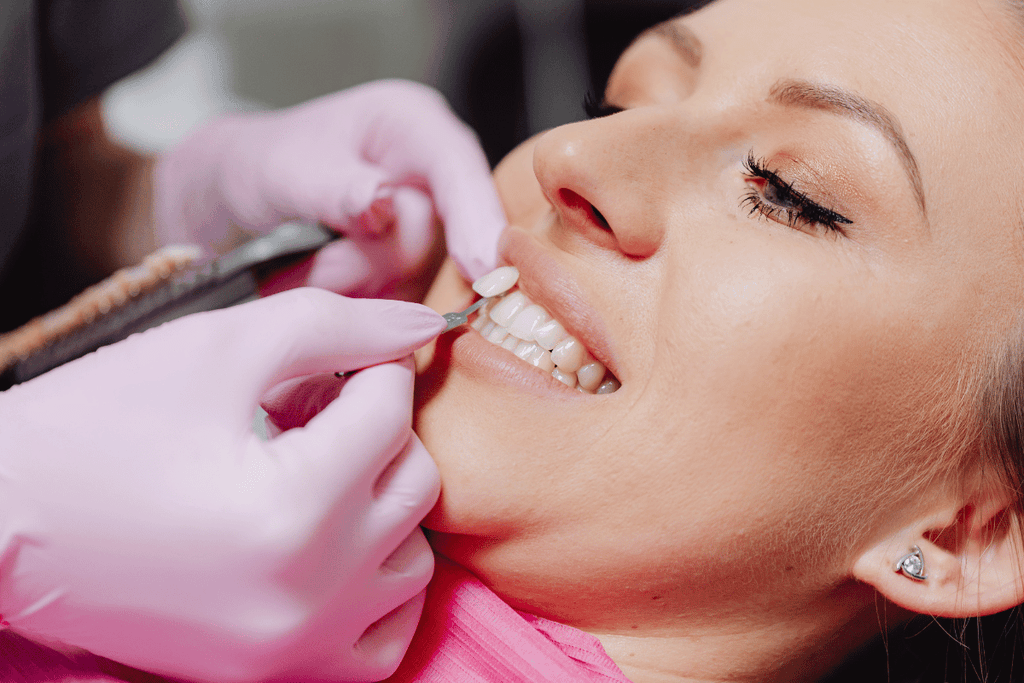
We start with a digital scan of your teeth. Next, we gently remove a very thin layer of enamel, usually less than a millimetre, so the veneer sits flush and looks natural. Your veneers are then handcrafted in a dental laboratory to match the shape and shade you’ve chosen, before being permanently bonded in place.
How Long Does the Treatment Take?
Veneers usually take two or more appointments over a few weeks. While the lab makes your new veneers, you’ll wear temporary veneers so you’re never without a smile.
How Much Do Veneers Cost?
At Pure Dental, porcelain veneers start from £860 per tooth. Your exact cost depends on how many teeth you’re treating, and you’ll receive a clear, itemised estimate after your consultation. See our full dental pricing.
How Long Do Veneers Last?
With good care, porcelain veneers last 7 to 15 years. Things that can shorten their life include grinding, biting hard objects, gum disease and skipping hygiene visits. If a veneer does chip or come loose, it can usually be repaired or replaced.
What Happens if a Veneer Needs Replacing?
Porcelain veneers can last 7 to 15 years, so at some point you may need one replaced. That might be because of a chip, a change at the gum line, or simply wanting to refresh your smile.
Traditionally, veneers are removed by drilling them away, which inevitably takes a little natural tooth with it. Each replacement leaves slightly less tooth to work with.
At Pure Dental, we use a laser to remove veneers instead. It breaks down the bond so the veneer can be lifted away with as little damage as possible to the tooth underneath, preserving more of your natural tooth for the future. If you’re considering veneers anywhere, it’s worth asking how they’d be removed if they ever needed replacing.
Porcelain Veneers Pros and Cons
Pros
- Long-lasting, at 7 to 20 years
- Highly resistant to staining
- Strong and natural-looking
- Ideal for heavy discolouration or bigger changes
Cons
- Higher upfront cost
- A thin layer of tooth enamel is removed, so treatment is usually permanent
- Takes a few weeks and several visits
- A chipped veneer often needs replacing
A Word on “Turkey Teeth”
You may have heard of “Turkey teeth“. The term usually refers to cheap treatment abroad where healthy teeth are filed right down to fit crowns, often marketed as veneers. This can lead to sensitivity, nerve damage and costly corrective work later. Properly planned veneers are very different: we remove only a minimal amount of enamel, and we’re always on hand for aftercare, close to home.
What About Composite Veneers?
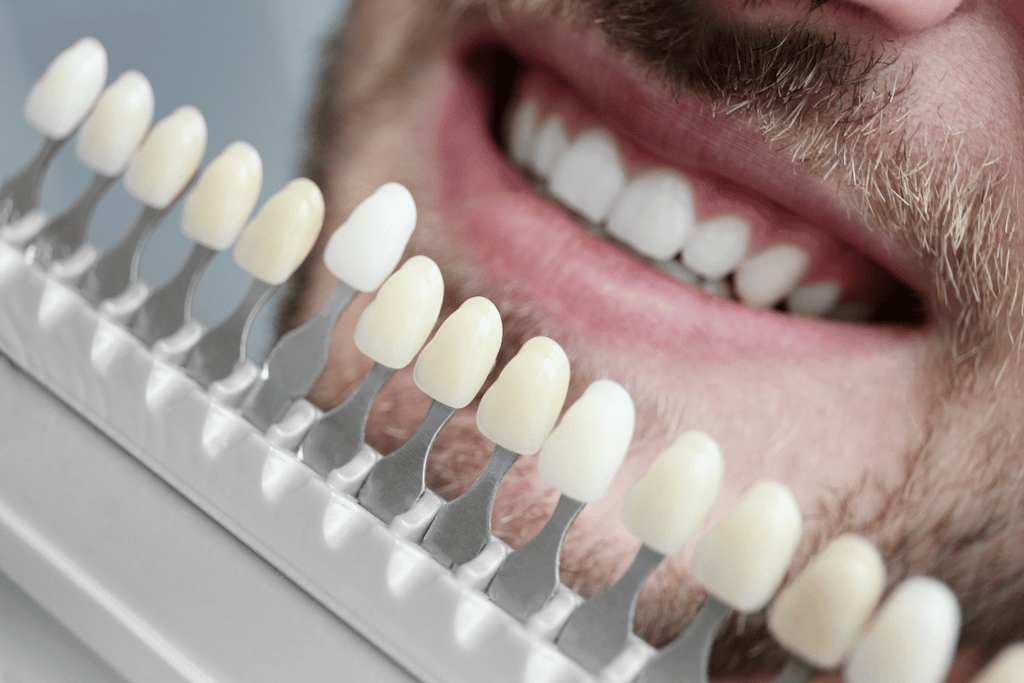
Composite veneers sit somewhere between bonding and porcelain. They use the same tooth-coloured composite resin material as bonding but cover the whole front surface of the tooth.
Start With Your Bite: Why Function Comes First
Before choosing between composite bonding and veneers, it’s worth asking a more important question: why do your teeth look the way they do? Chips, worn edges and teeth that look shorter than they used to rarely happen by chance. Often, they’re a sign of how your teeth meet.
Form Follows Function
At Pure Dental, we work on the principle of “form follows function”. Rather than simply covering up chips or wear, we look first at what caused them. If your bite is working as it should, cosmetic treatment looks better and lasts longer. If it isn’t, even the best bonding or veneers will be fighting a losing battle.
What Is Occlusion?
Occlusion is the way your upper and lower teeth come together when you bite, chew and clench. In a healthy bite, the force is shared across as many teeth as possible. When it isn’t, a few teeth end up taking more than their share of the load.
Over time, that extra pressure can lead to:
- Teeth wearing down faster than they should
- Chipped or cracked edges
- Teeth that look shorter or flatter
- In some cases, losing a tooth altogether
Grinding or clenching, which many people do at night without realising, adds to the problem. That’s why we check your bite as part of any cosmetic consultation. If there’s an underlying issue, we can address it first, giving your new smile the best possible chance of lasting.
Composite Bonding vs Composite Veneers
Composite bonding fixes part of a tooth, such as a chip, gap or uneven edge. A composite veneer covers the entire front surface, so it’s better suited to changing a tooth’s overall colour or shape.
Composite vs Porcelain Veneers
- Cost: composite veneers cost less
- Lifespan: composite lasts around 5 to 7 years; porcelain 7 to 20
- Look: both look natural, but porcelain reflects light more like real enamel and resists staining far better
Is Composite Bonding Worth It?
For small chips, gaps and uneven edges, composite bonding is excellent value. You get a quick, natural-looking result with little or no change to your natural teeth. It’s less suited to heavy staining or major changes, where veneers often work out better in the long run.
The Real Cost Over 10 Years
Bonding is cheaper to start with, but it may need redoing once or twice. Veneers cost more upfront but often last the full decade and beyond.
Composite Bonding or Veneers: Which Wins on What Matters to You
Best for Cost
✓ Composite bonding
Best for Longevity
✓ Porcelain veneers
Best for Keeping Your Natural Teeth
✓ Composite bonding
Best for a Full Smile Makeover
✓ Porcelain veneers
Best for Nervous Patients
✓ Composite bonding
Best if You Grind, Clench or Have Worn Teeth
Composite bonding usually comes out on top here. Porcelain is strong, but it’s also unforgiving. Under the constant pressure of grinding or clenching, veneers are more likely to crack or come away, and every replacement can mean removing a little more of your natural tooth.
Composite is more forgiving. If it wears or chips, it can usually be repaired in a single visit by adding fresh resin, without touching the tooth underneath. It also keeps your options open: once your bite is stable, you can still move to veneers later if you want to.
Whichever you choose, if you grind or clench, we’ll likely recommend a night guard to protect both your treatment and your natural teeth.

Can You Combine Treatments?
Yes, and the best results often come from combining treatments.
Whiten First, Then Match the Shade
Bonding and veneers won’t whiten, so we usually recommend teeth whitening first. Better still, registered members get free whitening top-ups for life.
Straighten First With Invisalign
If your teeth are crowded or crooked, Invisalign can straighten them first. That often means less bonding or veneer work is needed afterwards.
Mixing Bonding and Veneers
Different teeth have different needs. You might have veneers on heavily stained front teeth and bonding on a small chip elsewhere. Or start with bonding now and move to veneers later.
Caring for Bonding and Veneers
- Brush twice a day and clean between your teeth
- Cut back on tea, coffee, red wine and smoking, especially with bonding
- Avoid abrasive whitening toothpastes, which can dull both
- Keep up regular hygienist visits for a professional polish
- Wear a night guard if you grind
For more tips, visit our treatment aftercare advice.
NHS vs Private in Cornwall
Purely cosmetic treatments, like veneers, aren’t usually available on the NHS. Bonding may sometimes be offered on the NHS to repair damage, but not for cosmetic reasons.
Going private with Pure gives you more choice, more time with your dentist and premium materials. To make it more affordable, our membership plan starts from £25.25 a month and includes 10% off most treatments. We also offer flexible dental finance, including interest-free options.

Which Option Is Right for You?
Choose Composite Bonding If:
- You want to fix small chips, gaps or uneven edges
- You’d like to keep your natural teeth as they are
- You want results in a single visit
- You’re working to a budget
- You’re nervous about injections
Choose Veneers If:
- Your teeth are heavily stained, worn or damaged
- You want a long-lasting, low-maintenance result
- You’re looking for a complete smile makeover
- You want maximum resistance to staining
Questions to Ask at Your Consultation
A good dentist will welcome every one of these questions…
- Which option suits my teeth, and why?
- How much natural tooth will be removed?
- How long can I realistically expect the results to last?
- What will maintenance and future replacements cost?
- Can I see before and after photos of your own work?
- Should I whiten or straighten my teeth first?
- Will you check my bite before treatment? A good dentist will look at how your teeth meet, not just how they look, so your results last.
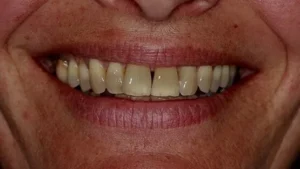
Real Patients, Real Results
Book a Free Treatment Advisor Consultation
Still not sure which is right for you? That’s completely normal, and it’s exactly what we’re here for.
Book a free treatment advisor consultation at our relaxing Truro clinic. We’ll talk through your goals, answer your questions and help you find the right option for your smile and budget, with no pressure and no obligation.
Composite Bonding vs Veneers and Other FAQs
Is composite bonding the same as veneers?
No. Composite bonding uses tooth-coloured resin to fix part of a tooth, such as a chip or gap, in a single visit. Porcelain veneers are custom-made ceramic shells that cover the whole front of the tooth and are made in a lab over a few weeks.
What’s the difference between composite bonding and composite veneers?
Both use the same resin. Composite bonding repairs a specific area of a tooth, while a composite veneer covers the entire front surface. Veneers are better for changing a tooth’s overall shape size and colour.
Is composite bonding better than veneers?
It depends on your goals. Bonding is better for small fixes, keeping your natural teeth and a lower budget. Veneers are better for heavy staining, worn teeth and long-lasting results. We’ll help you decide at your free consultation.
Is composite bonding cheaper than veneers?
Yes. At Pure Dental, bonding starts from £300-£550 per tooth, compared with veneers from £860-£1500 per tooth. Bear in mind bonding may need redoing sooner, so it’s worth comparing long-term costs too.
How long does composite bonding last?
Typically 3 to 7 years with good care. Regular hygienist visits, avoiding staining foods and drinks, and wearing a night guard if you grind will all help it last longer.
How long do porcelain veneers last?
Usually 7 to 20 years. Good oral hygiene, regular check-ups and protecting your teeth from grinding will help you get the most from them.
Can you put composite bonding over veneers?
Not usually as a long-term option, as resin doesn’t bond as well to porcelain as it does to natural teeth. Small chips in a veneer can sometimes be patched with composite, but a damaged veneer is often best replaced.
Does composite bonding damage your teeth?
No. Bonding needs little or no removal of healthy tooth, so your natural teeth stay largely intact. In most cases it can be removed or replaced later without harming the tooth underneath.
Can you whiten composite bonding or veneers?
No. Whitening only works on natural teeth, so we recommend teeth whitening before treatment. We’ll then match your bonding or veneers to your new, brighter shade.
Do composite bonding or veneers hurt?
Neither should hurt. Bonding is usually done without an injection. For veneers, we use a local anaesthetic, and The Wand™ offers a gentler alternative to traditional injections. Sedation is also available if you’re nervous.
Is composite bonding or veneers better if I grind my teeth?
Composite bonding is usually the better choice if you grind or clench. It’s more forgiving than porcelain and can be repaired easily if it chips or wears, while veneers are more likely to fracture under constant pressure. Either way, we’ll check your bite first and may recommend a night guard.