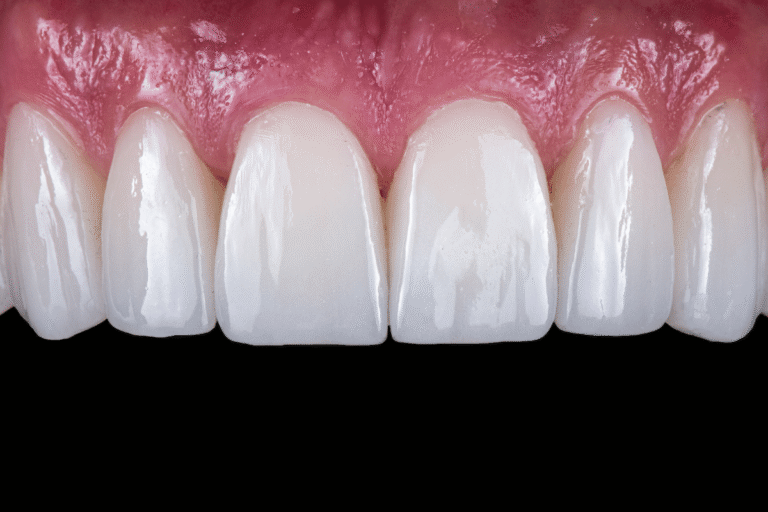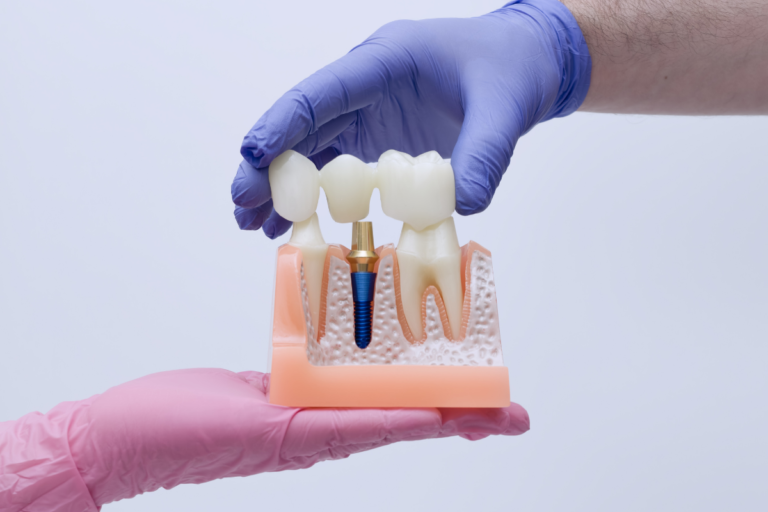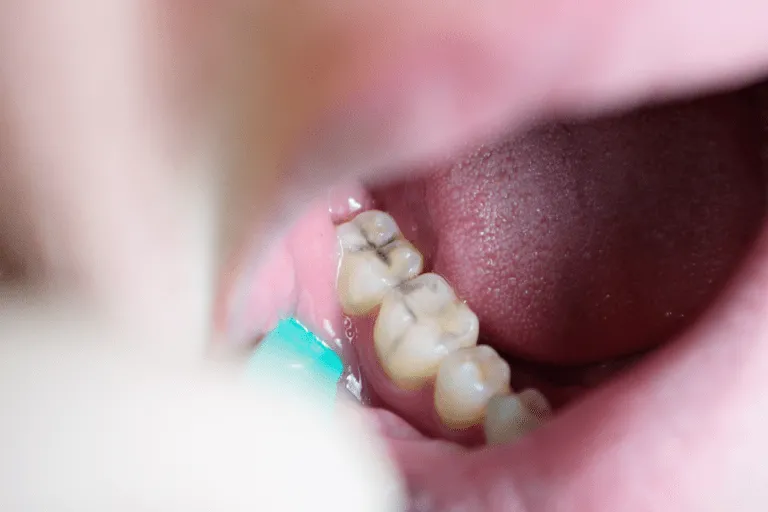
Also known as dental bonding or cosmetic bonding, composite bonding is one of the quickest and least invasive ways to improve your smile. Below, we explain how it works, how long it lasts and whether composite bonding at Pure Dental could be right for you.
What is composite bonding?
Composite bonding is a cosmetic dental treatment where a tooth-coloured composite resin is applied to your teeth, then sculpted and hardened with a curing light. It’s used to repair chips, close small gaps and improve the shape or colour of teeth, usually in a single visit with little or no removal of natural tooth.
What is composite resin?
Composite resin is a tooth-coloured material made from a plastic resin mixed with tiny glass or ceramic particles. It’s the same type of material used for white fillings, and it comes in a wide range of shades so your dentist can match it closely to your natural teeth. It starts off soft and putty-like, which makes it easy to sculpt, then sets hard in seconds under a special curing light.
What can composite bonding fix?
Composite bonding is best for small to moderate cosmetic concerns, including:
- Chipped or cracked teeth
- Small gaps between teeth
- Uneven, worn or jagged edges
- Teeth that look too short, small or oddly shaped
- Mild discolouration that doesn’t respond to whitening
It can also make slightly crooked teeth appear straighter, although it doesn’t move them. For larger changes, your dentist may suggest another treatment, such as Invisalign or veneers, either instead of or alongside bonding.
Types of composite bonding
Not all composite bonding is the same. Depending on what you’d like to change, your dentist may recommend treating just the edges of your teeth or covering the whole front surface.
Composite edge bonding
Edge bonding adds composite resin to the biting edges of your teeth only. It’s ideal for fixing small chips, smoothing out uneven or worn edges and making teeth look slightly longer or more even. Because less material is used, it’s usually the quickest and most affordable type of composite bonding.
Full composite bonding (composite veneers)
Full composite bonding, often called composite veneers, covers the entire front surface of each tooth. This allows for bigger changes to colour, shape and size, so it’s a good option if you want a more noticeable smile makeover without the cost of porcelain veneers. It takes longer than edge bonding, as each tooth is built up and sculpted in layers.
Nanofill composite bonding
Nanofill composite bonding uses a resin containing extremely fine filler particles. These help the material polish to a smooth, natural-looking shine and can make it more resistant to wear and staining than some standard composites. Your dentist will advise whether nanofill is the right choice for your teeth.

How is composite bonding done?
Composite bonding is a straightforward treatment that’s usually completed in a single appointment. Here’s what to expect, from your first consultation to leaving with your new smile.
Your consultation and shade matching
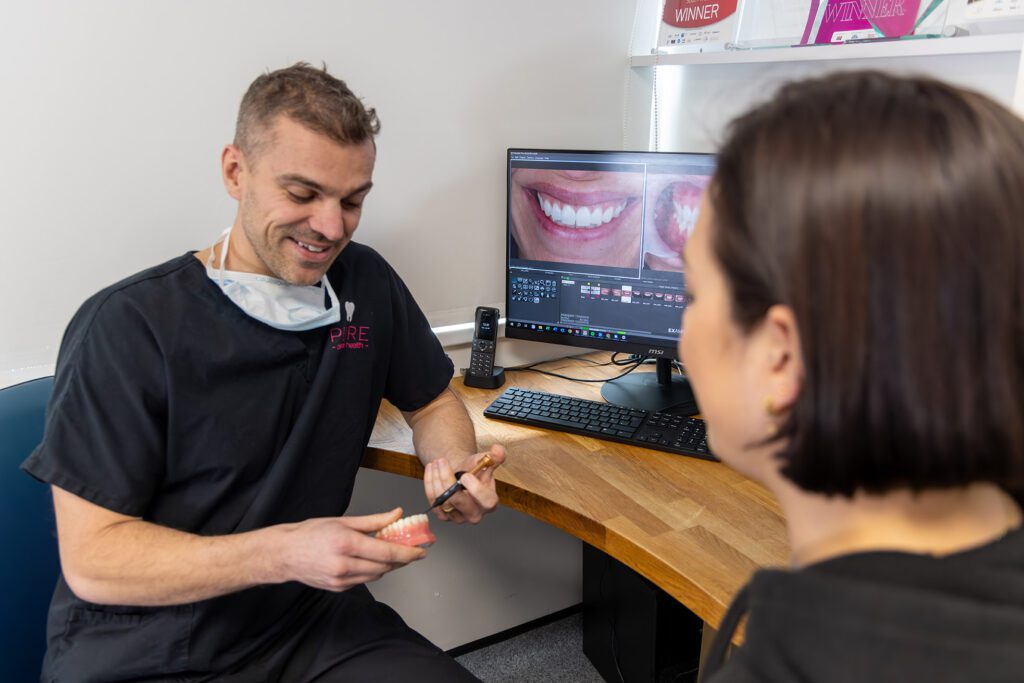
Before any treatment, your dentist will check that your teeth and gums are healthy, talk through what you’d like to change and explain whether composite bonded teeth are the best option. They may take photos or create a digital preview so you can see the likely result.
Your dentist will then choose a resin shade that matches your natural teeth. If you’d like a brighter smile, they may suggest teeth whitening first, as composite resin can’t be whitened once it’s in place.
Step-by-step on the day
- Preparing the tooth: Your dentist cleans the tooth and gently roughens the surface so the resin can grip it.
- Applying a bonding agent: A thin adhesive liquid is applied to help the composite bond firmly.
- Building up the resin: The composite is applied in thin layers and sculpted by hand into the right shape.
- Hardening with light: A blue curing light sets each layer hard in seconds.
- Shaping and polishing: Your dentist refines the shape, checks your bite and polishes the tooth coloured resin so it blends seamlessly with your natural teeth.
Most patients don’t need an injection, and you can eat and drink normally soon after your appointment.
How long does composite bonding take?
Composite bonding usually takes around 30 to 60 minutes per tooth. Edge bonding on a single tooth can be quick, while a full set of composite veneers may take several hours or be split across two appointments. Your dentist will give you a clearer timeframe at your consultation.

Does composite bonding hurt?
No, composite bonding doesn’t usually hurt. Because little or no natural tooth is removed, most patients don’t need an injection and feel nothing more than gentle pressure as the resin is shaped. Some people notice mild sensitivity for a day or two afterwards, but this soon settles. If your dentist needs to repair a deeper chip or remove decay first, they may numb the area to keep you comfortable.
Is composite bonding right for you?
There are lots of benefits to composite bonding, but it isn’t the answer for every smile. The General Dental Council has highlighted that good results depend on careful assessment, as bonding may not be suitable for people who grind their teeth, struggle with oral health or can’t commit to regular maintenance.
Who is a good candidate?
You’re likely to be a good candidate for composite bonding if:
- Your teeth and gums are healthy
- You’d like to fix small cosmetic issues such as chips, gaps or uneven edges
- You want a quick, minimally invasive treatment
- You’re happy to look after your bonding with good oral hygiene and regular check-ups
Can composite bonding fix crooked teeth?
Composite bonding can make slightly crooked teeth look straighter by building up and reshaping their edges, but it doesn’t actually move them. For more noticeable crowding or misalignment, straightening your teeth first with Invisalign often gives a better, longer-lasting result. Many patients have bonding afterwards to enhance their smile and perfect their newly aligned teeth.
Can you have composite bonding with gum disease or receding gums?
Gum disease needs to be treated before composite bonding, as unhealthy gums can affect how well the bonding holds and how it looks. Once your gums are healthy, bonding can sometimes help with the effects of mild gum recession, such as covering exposed root surfaces or closing small dark gaps between teeth near the gumline. Your dentist and hygienist will advise on the best approach.
When another treatment may be better
Composite bonding isn’t always the best option. Your dentist may recommend an alternative if:
- You grind or clench your teeth: the resin is more likely to chip, so porcelain veneers or a protective night guard may be advised.
- A tooth is badly broken or heavily filled: a crown may offer more strength.
- Your teeth are severely discoloured: porcelain veneers can mask deep staining more effectively.
- Your teeth are significantly crooked: orthodontic treatment such as Invisalign may be needed first.
- You want the longest-lasting result possible: porcelain veneers typically last longer than composite.

How long does composite bonding last?
Composite bonding usually lasts around 5 to 7 years, and sometimes longer with good care. Over time, the resin can wear, chip or pick up stains, so it will eventually need polishing, repairing or replacing. Regular check-ups help your dentist spot small issues early, before they need bigger fixes.
What affects how long bonding lasts?
How long your composite bonding lasts depends on a few key factors. Good oral hygiene keeps both the bonding and your surrounding teeth healthy. Your diet plays a part too, as tea, coffee, red wine and smoking can stain the resin over time. Everyday habits such as biting your nails, chewing pens or opening packets with your teeth can chip the edges, while grinding or clenching puts extra pressure on the resin, so your dentist may recommend a night guard.
Your dentist’s skill and the quality of the materials used make a real difference, as carefully placed, high-quality composite will hold up far better over the years.
Is composite bonding permanent?
No, composite bonding isn’t permanent. It’s a long-lasting treatment, but the resin will need maintenance and eventual replacement. The upside is that small chips or stains can usually be repaired quickly in the chair, without redoing the whole tooth.
Can composite bonding be removed?
Yes, composite bonding can usually be removed. Your dentist can carefully polish the resin away, leaving your natural tooth largely as it was, which makes bonding one of the few reversible cosmetic treatments. Removal should only ever be done by a dentist, never at home.
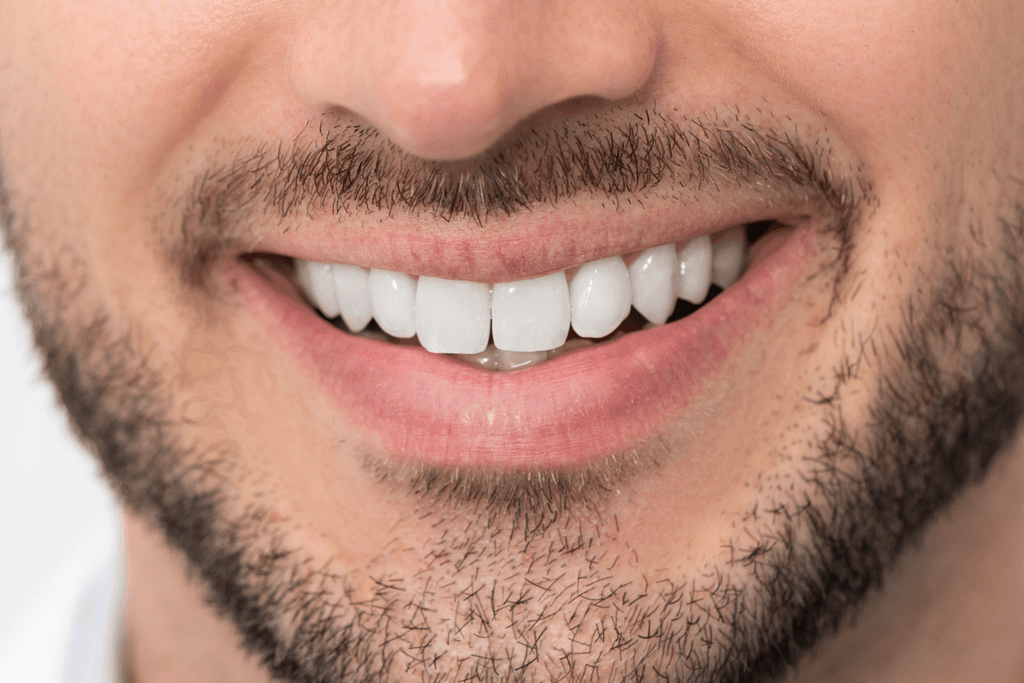
Does composite bonding damage teeth?
The composite bonding process doesn’t damage your teeth when it’s planned and carried out properly. Your dentist only lightly roughens the tooth surface so the resin can grip, and very little, if any, enamel is removed. Problems are more likely when bonding is rushed, overbuilt or placed on teeth that aren’t healthy to begin with, which is why a thorough consultation matters.
Risks and limitations to know about
- Chipping: resin isn’t as strong as natural enamel or porcelain, so it can chip if put under heavy pressure.
- Staining: composite can discolour over time, especially at the edges where it meets your tooth.
- Ongoing maintenance: you’ll need regular polishing and occasional repairs or replacement.
- Poor technique: bulky or badly shaped bonding can look unnatural, trap plaque or change your bite.
- Not suitable for everyone: people who grind their teeth or have gum disease may need other treatment first.
Can you whiten composite bonding?
No, composite bonding can’t be whitened. Whitening gels only lighten natural tooth enamel, so if you whiten your teeth after having bonding, your natural teeth may end up lighter than the resin. Surface stains on bonding can often be polished away by your dentist or hygienist, but if the resin itself has discoloured, it may need replacing.
Why whitening before bonding matters
If you’d like a brighter smile, it’s best to whiten your teeth before having composite bonding. Your dentist will usually wait a couple of weeks after whitening for the colour to settle, then match the resin to your new, lighter shade. This way, your bonding and natural teeth blend together seamlessly from the start.
Composite bonding vs veneers
Composite bonding and porcelain veneers can both transform your smile, but they differ in cost, durability and how much of your natural tooth is affected.
| Composite bonding | Porcelain veneers | |
| Cost | Lower cost per tooth | Higher cost per tooth |
| Lifespan | Around 5 to 7 years | Often 10 to 15 years or more |
| Tooth removal | Little or none | A thin layer of enamel is usually removed |
| Reversibility | Usually reversible | Not reversible |
| Number of visits | Usually one | Usually two or more |
| Repairs | Quick to repair in the chair | Usually need replacing if damaged |
| Stain resistance | Can stain over time | Highly stain resistant |
Composite bonding is often the better choice for smaller changes, a lower budget or if you’d prefer to keep your natural teeth intact. Porcelain veneers may suit you better if you want a longer-lasting, more dramatic change. Your dentist can talk you through both options, and we also have a full guide about composite bonding vs veneers here.

How much does composite bonding cost in the UK?
In the UK, private composite bonding typically costs from around £150 to £500 per tooth. The price depends on how many teeth are treated, the type of bonding and how complex your case is. At Pure Dental, composite bonding starts from £300 per tooth. See our dental pricing page for more information.
Cost per tooth vs a full set
Composite bonding is usually priced per tooth, so a small edge repair on one tooth will cost much less than a full smile makeover. Many patients have bonding on the 4 to 8 front teeth that show when they smile, and some practices offer package pricing for multiple teeth. Your dentist will give you a personalised quote at your consultation.
Can you get composite bonding on the NHS?
Composite bonding for cosmetic reasons isn’t available on the NHS. According to the NHS, you can get treatment needed to keep your teeth and mouth healthy, but cosmetic treatments usually have to be paid for privately. If you have a broken tooth that needs repairing for clinical reasons, your dentist will explain which options are available.
Composite bonding aftercare
Looking after your composite bonding helps it stay strong, bright and natural-looking for longer:
- Avoid staining food and drinks for 48 hours: tea, coffee, red wine and curry are best avoided straight after composite bonding treatment.
- Brush twice a day and clean between your teeth: use a non-abrasive fluoride toothpaste to protect the resin’s shine.
- Avoid biting hard objects: steer clear of chewing ice, pens or fingernails.
- Wear a night guard if you grind your teeth: this protects the bonding from chipping.
- Keep up regular check-ups and hygienist visits: professional polishing removes surface stains and keeps your bonding looking fresh.
Composite bonding before and after
Seeing real results is one of the best ways to understand what composite bonding can do. Here are some of the smiles our team has transformed at Pure Dental.


Is composite bonding worth it?
For many people, composite bonding is well worth it. It can fix chips, gaps and uneven edges in a single visit, costs less than veneers and leaves your natural teeth largely intact. It’s also repairable and reversible, so you’re not locked into a permanent change.
That said, it isn’t the right fit for everyone. Bonding needs ongoing care, won’t last as long as porcelain and may not be suitable if you grind your teeth or have more significant alignment or colour concerns. The best way to know is to speak to a dentist who can assess your teeth and talk you through all your options honestly.
If you’re thinking about improving your smile, book a composite bonding consultation at Pure Dental, and we’ll help you decide whether it’s the right treatment for you.

Composite Bonding FAQs
Can you eat after composite bonding?
Yes, you can usually eat straight after composite bonding, as the resin is fully hardened by the curing light before you leave. It’s best to avoid very hard or sticky foods for the first 24 to 48 hours, and to steer clear of strongly coloured foods and drinks, such as curry, tea and coffee, while the surface settles.
Does composite bonding stain?
Yes, composite bonding can stain over time, particularly if you regularly drink tea, coffee or red wine, or if you smoke. Staining often shows first at the edges where the resin meets your natural tooth. Good oral hygiene and regular professional polishing help keep your bonding looking bright and natural.
How long does composite bonding last?
Composite bonding usually lasts around 5 to 7 years. With good oral hygiene, regular check-ups and by avoiding habits like nail biting, it can last even longer.
How much is composite bonding in the UK?
Private composite bonding in the UK typically costs from around £150 to £500 per tooth, depending on the type of bonding and how many teeth are treated.
What are the downsides of composite bonding?
Composite bonding can chip or stain over time, isn’t as durable as porcelain veneers and needs regular maintenance. It may also not be suitable if you grind your teeth.
How painful is composite bonding?
Composite bonding is usually painless. Most patients don’t need an injection, and any sensitivity afterwards tends to settle within a day or two.
What does composite bonding look like after 5 years?
Well-maintained bonding can still look natural after 5 years, though it may show some staining or minor wear at the edges. A professional polish or small repair can often refresh it.
Can composite bonding go wrong?
Yes, poorly planned or rushed bonding can look bulky, mismatch your natural teeth or affect your bite. Choosing an experienced, GDC-registered dentist and having a thorough consultation greatly reduces the risk.
How do you whiten composite bonding at home?
You can’t whiten composite bonding at home, as whitening products don’t change the colour of resin. Gentle brushing helps prevent surface stains, and your dentist or hygienist can polish away marks.
Does composite bonding whiten teeth?
Composite bonding doesn’t whiten your natural teeth, but full composite bonding can make your smile look brighter by covering the front of each tooth with a lighter shade. Many patients whiten their teeth before bonding for the best result.
Can I have composite bonding on just one tooth?
Yes, composite bonding can be used on a single tooth, for example, to repair a chip. Your dentist will match the resin to your surrounding teeth so it blends in naturally.